
Types of Steel Fabrication: A Guide for Pakistan’s Construction Industry
Steel fabrication plays a critical role in modern construction, manufacturing, and industrial development in Pakistan. From commercial buildings in Karachi to infrastructure projects in Lahore and Islamabad, fabricated steel structures form the backbone of durable and high-performance architecture.
Understanding the types of steel fabrication helps businesses, contractors, and property owners choose the right fabrication process for strength, cost efficiency, and long-term reliability. With Pakistan’s growing demand for industrial steel solutions, advanced fabrication methods are becoming essential for quality construction.
Different Types of Steel Fabrication
Steel fabrication is not a single process — it’s a system made of several interconnected stages. Each part contributes to transforming raw steel into finished structural components.
1. Cutting
Steel cutting involves shaping metal sheets, pipes, and beams into required dimensions. Modern fabrication workshops in Pakistan use CNC plasma cutting, laser cutting, and water jet cutting for precision accuracy.
2. Bending and Forming
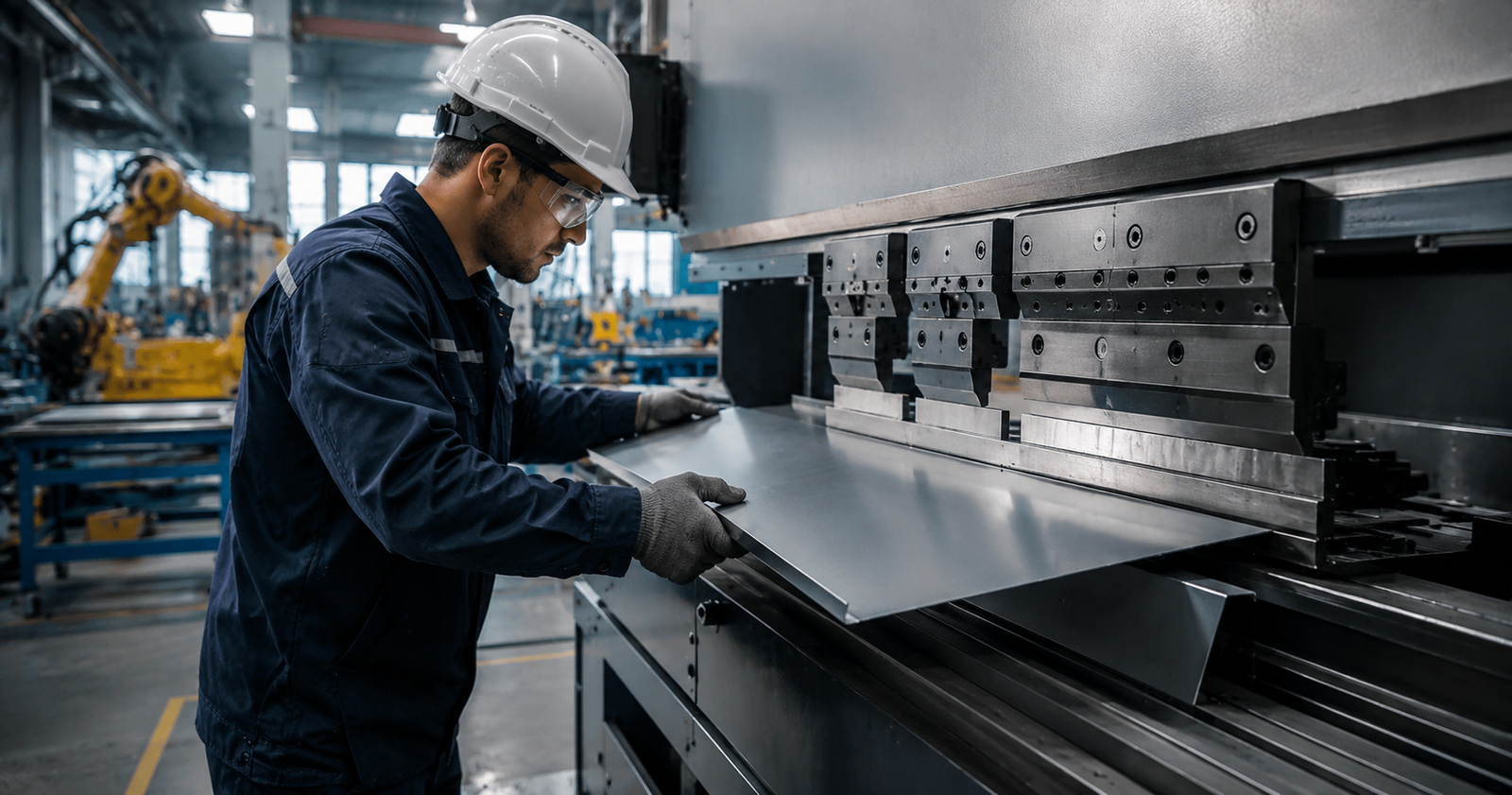
This stage reshapes steel using hydraulic presses and rollers. Structural bending is crucial for beams, frames, and custom architectural elements.
3. Welding
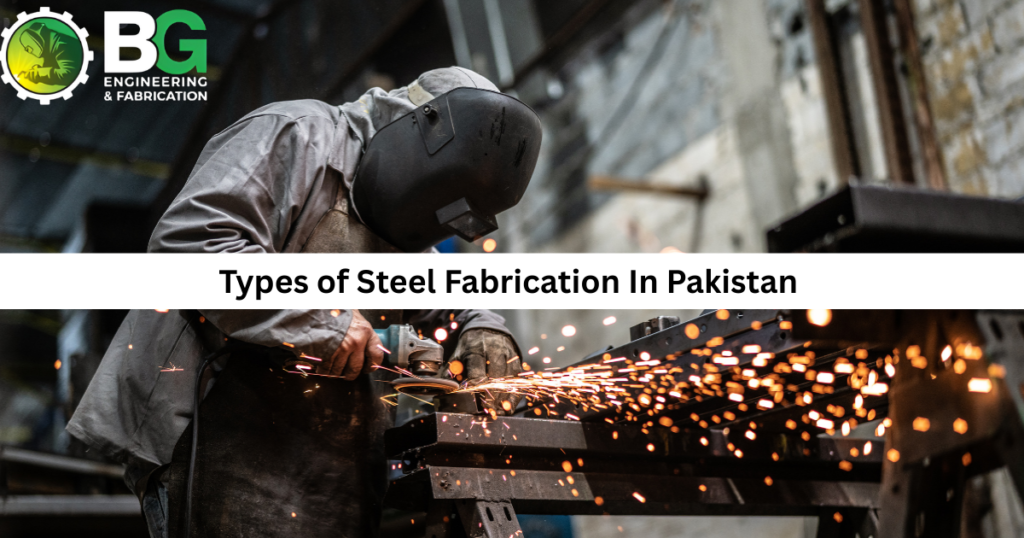
Welding joins metal components to create strong structural connections. MIG welding, TIG welding, and arc welding are commonly used in Pakistani fabrication plants.
4. Machining
Machining adds precision finishing. Drilling, milling, and grinding refine steel parts to meet engineering tolerances.
5. Assembly
Fabricated components are assembled into structural systems like staircases, railings, industrial frames, and heavy equipment supports.
These parts work together to produce durable steel products used across residential, commercial, and industrial sectors.
Steel Fabrication Supplies
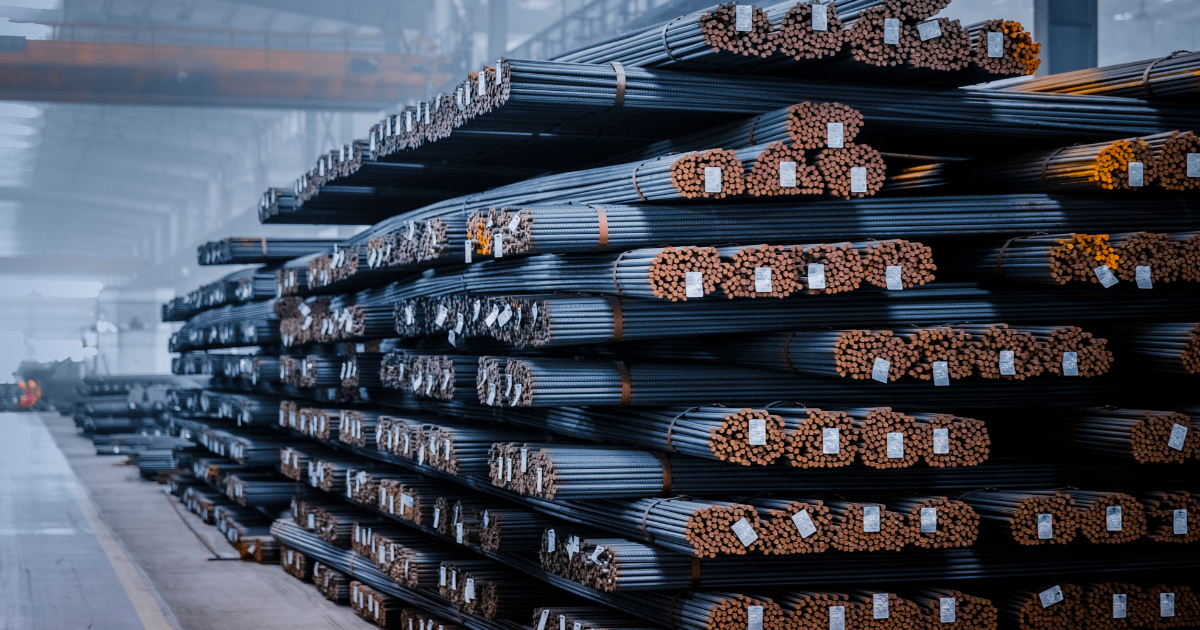
Steel fabrication requires specialized materials and equipment to ensure quality results. Reliable supplies are essential for structural integrity and long-term performance.
Key fabrication supplies include:
- Structural steel sheets and plates
- Steel pipes and hollow sections
- Fasteners and industrial bolts
- Welding electrodes and filler metals
- Protective coatings and anti-corrosion treatments
- CNC cutting tools and fabrication machinery
In Pakistan, major steel markets in Karachi, Lahore, and Faisalabad supply raw materials to fabrication companies serving construction, manufacturing, and engineering industries.
Choosing high-grade steel supplies improves safety standards and reduces maintenance costs.
Common Types of Steel Fabrication
Different projects require different fabrication techniques. The most widely used types include:
Structural Steel Fabrication
Used in buildings, bridges, warehouses, and industrial sheds. Structural fabrication focuses on beams, columns, and load-bearing frameworks.
Sheet Metal Fabrication
Thin steel sheets are fabricated into panels, enclosures, and decorative elements.
Custom Metal Fabrication
Tailor-made steel components for specialized engineering projects and architectural designs.
Industrial Fabrication
Heavy-duty fabrication used in factories, power plants, and mechanical systems.
Architectural Steel Fabrication
Decorative railings, staircases, facades, and interior steel elements that combine function with design aesthetics.
Each fabrication type serves a unique purpose within Pakistan’s growing infrastructure landscape.
Importance of Steel Fabrication in Pakistan
Pakistan’s rapid urbanization and industrial growth depend heavily on fabricated steel solutions. Steel structures offer:
- High strength-to-weight ratio
- Earthquake resistance
- Faster construction timelines
- Long lifespan
- Recyclable sustainability
Steel fabrication supports large-scale housing projects, commercial towers, and industrial expansion across major cities.
Local fabrication companies are increasingly adopting automation, CAD design, and precision engineering to meet international standards.
Modern Technology in Steel Fabrication
Advanced fabrication technology improves accuracy and reduces waste. Pakistani fabrication workshops now use:
- CNC automation
- CAD/CAM design systems
- Robotic welding
- Laser precision cutting
- Digital measurement tools
These innovations increase efficiency, lower production costs, and improve structural safety.
Choosing the Right Steel Fabrication Company in Pakistan
Selecting an experienced fabrication partner ensures quality and reliability. Look for:
- Certified welders and engineers
- Modern machinery
- Quality control processes
- On-time project delivery
- Strong portfolio of completed projects
A professional fabrication company reduces risks and guarantees structural durability.
Applications of Steel Fabrication in Construction Projects
Steel fabrication is widely used in construction projects throughout Pakistan. Fabricated steel components provide the strength, flexibility, and durability needed for modern buildings and infrastructure developments. From high-rise commercial towers and industrial warehouses to bridges and manufacturing facilities, steel fabrication supports a wide range of construction applications.
Structural steel beams, columns, trusses, and frames are commonly used to create stable building frameworks. Fabricated steel is also utilized in staircases, railings, roofing systems, mezzanine floors, and prefabricated structures. As construction projects become more complex, the demand for precision-engineered steel fabrication solutions continues to grow. The ability to customize steel components according to project requirements makes fabrication an essential part of modern construction in Pakistan.
How Steel Fabrication Improves Construction Efficiency
Steel fabrication significantly improves construction efficiency by reducing project timelines and increasing installation accuracy. Fabricated steel components are manufactured in controlled workshop environments before being transported to construction sites for assembly. This process minimizes on-site labor requirements and reduces the risk of construction delays.
Another advantage is consistency and precision. Modern fabrication technologies such as CNC cutting, automated welding, and CAD-based design systems ensure accurate dimensions and high-quality production standards. As a result, construction teams can complete projects faster while maintaining structural reliability. For commercial and industrial developments, steel fabrication helps improve productivity, reduce material waste, and optimize overall project performance.
Factors Affecting Steel Fabrication Quality
Several factors influence the quality and performance of fabricated steel structures. Material selection is one of the most important considerations. High-grade structural steel provides greater strength, durability, and resistance to environmental conditions.
Welding quality also plays a critical role in fabrication projects. Proper welding procedures help ensure strong connections between steel components and improve structural integrity. In addition, accurate engineering drawings, skilled fabrication professionals, and advanced manufacturing equipment contribute to better project outcomes.
Quality control inspections are equally important throughout the fabrication process. Regular testing, dimensional verification, and compliance with industry standards help identify potential issues before installation. Companies that prioritize quality assurance typically deliver safer and more reliable steel fabrication solutions.
Why Structural Steel Fabrication Is Popular in Pakistan
Structural steel fabrication has become increasingly popular in Pakistan due to the country’s growing construction and industrial sectors. Steel structures offer numerous advantages compared to traditional construction materials, including higher strength, faster installation, and long-term durability.
Pakistan’s commercial developments, industrial facilities, warehouses, and infrastructure projects frequently rely on structural steel because it can support large spans and heavy loads without compromising stability. In addition, fabricated steel structures are easier to expand or modify when future business requirements change.
The increasing adoption of modern engineering practices, prefabricated construction methods, and advanced fabrication technologies has further strengthened the demand for structural steel fabrication services across Pakistan. As urban development continues to accelerate, structural steel remains one of the most trusted and cost-effective solutions for modern construction projects.
Final Thoughts
Steel fabrication is the foundation of modern construction in Pakistan. Understanding the different fabrication processes, supplies, and applications helps businesses make informed decisions.
From structural frameworks to architectural detailing, fabricated steel remains one of the most reliable materials for long-term development. As technology advances, Pakistan’s steel industry continues to evolve, delivering stronger, faster, and smarter construction solutions.