
What Is Steel Fabrication? A Complete Guide
Steel fabrication is the process of cutting, shaping, assembling, and finishing raw steel to create usable structures or products. It is a core part of modern construction and industry, supporting everything from buildings and bridges to machinery and industrial plants. When people ask what is steel fabrication, they’re really asking how raw steel turns into the frameworks that support modern life.
Unlike simple manufacturing, steel fabrication involves customized engineering. Fabricators work with blueprints and technical drawings to transform steel into specific components. The process combines skilled labor, heavy machinery, and precision tools to ensure strength, durability, and safety. Because steel is one of the strongest and most flexible building materials available, fabrication allows industries to create structures that are both reliable and cost-effective.
Steel fabrication plays a major role in construction, energy, transportation, and industrial development. Without it, modern infrastructure would not exist in its current form.
The Steel Fabrication Process
Understanding the steel fabrication process helps explain why it is such a specialized field. Each stage requires planning, accuracy, and quality control.
The process usually begins with design and engineering. Engineers prepare drawings and digital models that specify measurements, load capacity, and safety standards. These designs guide the entire fabrication workflow.
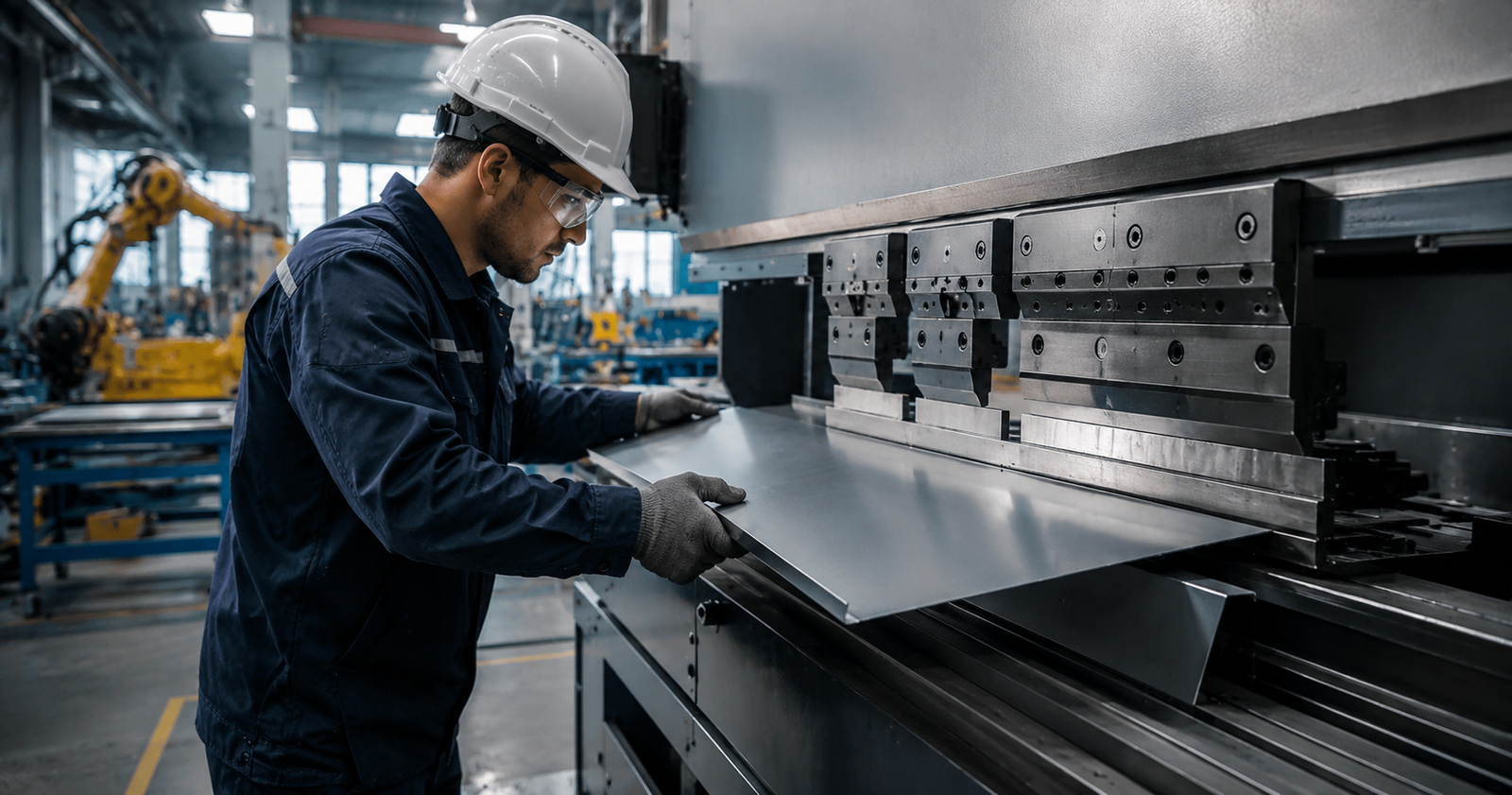
Next comes cutting and shaping. Raw steel is cut using lasers, saws, plasma cutters, or water jets. The pieces are then bent or formed into the required shape. Precision is critical here, because even small errors can affect structural performance.
After shaping, the steel moves to assembly and welding. Fabricators join components using welding, bolting, or riveting. Welding is especially important because it creates strong, permanent connections.
The final stage is finishing and quality inspection. Surfaces may be polished, coated, or treated to resist corrosion. Inspectors check measurements, weld quality, and structural integrity before the product is approved for use.
This structured process ensures that fabricated steel components meet industry standards and perform reliably in real-world conditions.
Types of Steel Fabrication
Steel fabrication is not one single method — it includes several specialized approaches depending on the application.
Structural steel fabrication focuses on beams, columns, and frameworks used in buildings and bridges. These components must support heavy loads and meet strict safety regulations.
Industrial fabrication involves equipment, tanks, pipelines, and machinery parts used in factories and plants. Durability and precision are key priorities in this category.
Custom fabrication creates unique steel products tailored to specific client needs. This can include architectural features, decorative elements, or specialized machinery parts.
Heavy steel fabrication deals with large-scale components used in shipbuilding, energy facilities, and infrastructure projects. It requires advanced machinery and experienced operators.
Each type serves a different industry, but all rely on the same core principles of engineering accuracy and material strength.
Benefits of Steel Fabrication
Steel fabrication offers several advantages that make it a preferred choice across industries.
One major benefit is strength and durability. Fabricated steel structures can withstand extreme loads and harsh environmental conditions. This makes steel ideal for long-term projects.
Another advantage is design flexibility. Steel can be shaped into almost any form, allowing architects and engineers to create innovative structures without compromising stability.
Steel fabrication is also cost-efficient. Prefabricated components reduce construction time and labor costs. Faster installation means projects can be completed more quickly.
Finally, steel is sustainable. It is one of the most recyclable materials in the world. Fabricated steel can be reused or repurposed without losing quality, making it environmentally responsible.
These benefits explain why steel fabrication continues to dominate modern engineering and construction.
Applications of Steel Fabrication
Steel fabrication supports a wide range of industries. In construction, fabricated steel forms the skeleton of high-rise buildings, warehouses, and bridges. In manufacturing, it is used to build machinery, conveyor systems, and production equipment.
The energy sector relies on fabricated steel for pipelines, power plants, and offshore structures. Transportation industries use steel fabrication in ships, trains, and heavy vehicles. Even architectural design incorporates fabricated steel for staircases, facades, and decorative elements.
Wherever strength, safety, and reliability are required, steel fabrication plays a central role.
The Future of Steel Fabrication
Modern technology is transforming how steel fabrication works. Automation, robotics, and computer-controlled cutting systems improve speed and accuracy. Digital modeling allows fabricators to test structures before production begins, reducing waste and errors.
Sustainable fabrication practices are also gaining importance. Eco-friendly coatings, recycled steel, and energy-efficient machinery are helping the industry reduce its environmental impact.
As infrastructure grows and industries expand, demand for advanced steel fabrication will continue to rise. The future points toward smarter, faster, and more efficient fabrication methods.
Conclusion
Steel fabrication is the backbone of modern construction and industry. It turns raw steel into strong, precise components that support buildings, machinery, and infrastructure worldwide. From design and cutting to welding and finishing, every step requires expertise and engineering discipline.
Understanding what steel fabrication is reveals how essential it is to everyday life. It combines strength, flexibility, efficiency, and sustainability in a way few materials can match. As technology evolves, steel fabrication will only become more advanced — continuing to shape the world around us.