
Steel is one of the strongest and most reliable materials used in construction and manufacturing. From bridges and buildings to gates and industrial machines, steel plays a major role in modern infrastructure. But raw steel does not become a finished product on its own. It goes through a detailed steel fabrication process that transforms metal into useful structures and components.
In simple terms, steel fabrication is the process of cutting, shaping, assembling, and finishing steel to create a final product. Think of it like building with metal instead of wood. Just as a carpenter cuts and joins wood to make furniture, fabricators shape steel to build frames, structures, and equipment.
Understanding how the fabrication process works helps explain why steel structures are strong, durable, and precise.
What Is Steel Fabrication?
Steel fabrication is the process of turning raw steel materials into finished products using different manufacturing techniques. Fabricators work with steel sheets, plates, bars, and pipes to create parts used in buildings, machinery, and infrastructure.
The goal of fabrication is simple: transform raw metal into a functional structure that meets design requirements. This process requires careful planning, skilled workers, and specialized tools.
For example, when a steel gate is installed at a home or a steel frame is used in a building, that product has gone through multiple fabrication stages before reaching its final form.
Why the Steel Fabrication Process Is Important
Steel fabrication plays a critical role in construction and engineering projects. Without fabrication, raw steel would remain unused material.
A proper fabrication process ensures:
- Strong and durable structures
- Accurate dimensions and measurements
- Safe and reliable metal components
- Efficient use of steel materials
- Long-lasting performance in different environments
In industries like construction, oil and gas, infrastructure, and manufacturing, steel fabrication is essential for building safe and dependable structures.

Step-by-Step Steel Fabrication Process
The steel fabrication process involves several important stages. Each step prepares the steel for the next phase until the final product is ready.
1. Design and Planning
Every fabrication project starts with design and planning. Engineers and designers create detailed drawings that show the exact measurements, shapes, and specifications of the steel structure.
These designs act like a roadmap for the fabrication team. They help workers understand what the final product should look like and how each piece will fit together. Modern fabrication often uses computer-aided design (CAD) software to ensure precision and accuracy before production begins.


2. Material Selection
After the design is finalized, the next step is choosing the right type of steel. Different projects require different steel grades depending on strength, durability, and environmental conditions.
For example, structural steel is commonly used in buildings, while stainless steel may be used in environments where corrosion resistance is important. Selecting the correct material ensures the final structure performs well and lasts for many years.
3. Cutting the Steel
Once the steel is selected, the fabrication team begins cutting the metal into the required shapes and sizes. Cutting is one of the most important steps because precision is critical. Even small measurement errors can affect the final structure.
Common cutting methods include:
- Laser cutting
- Plasma cutting
- Water jet cutting
- Mechanical sawing
These tools allow fabricators to create clean and accurate cuts in steel plates, pipes, and beams.


4. Shaping and Forming
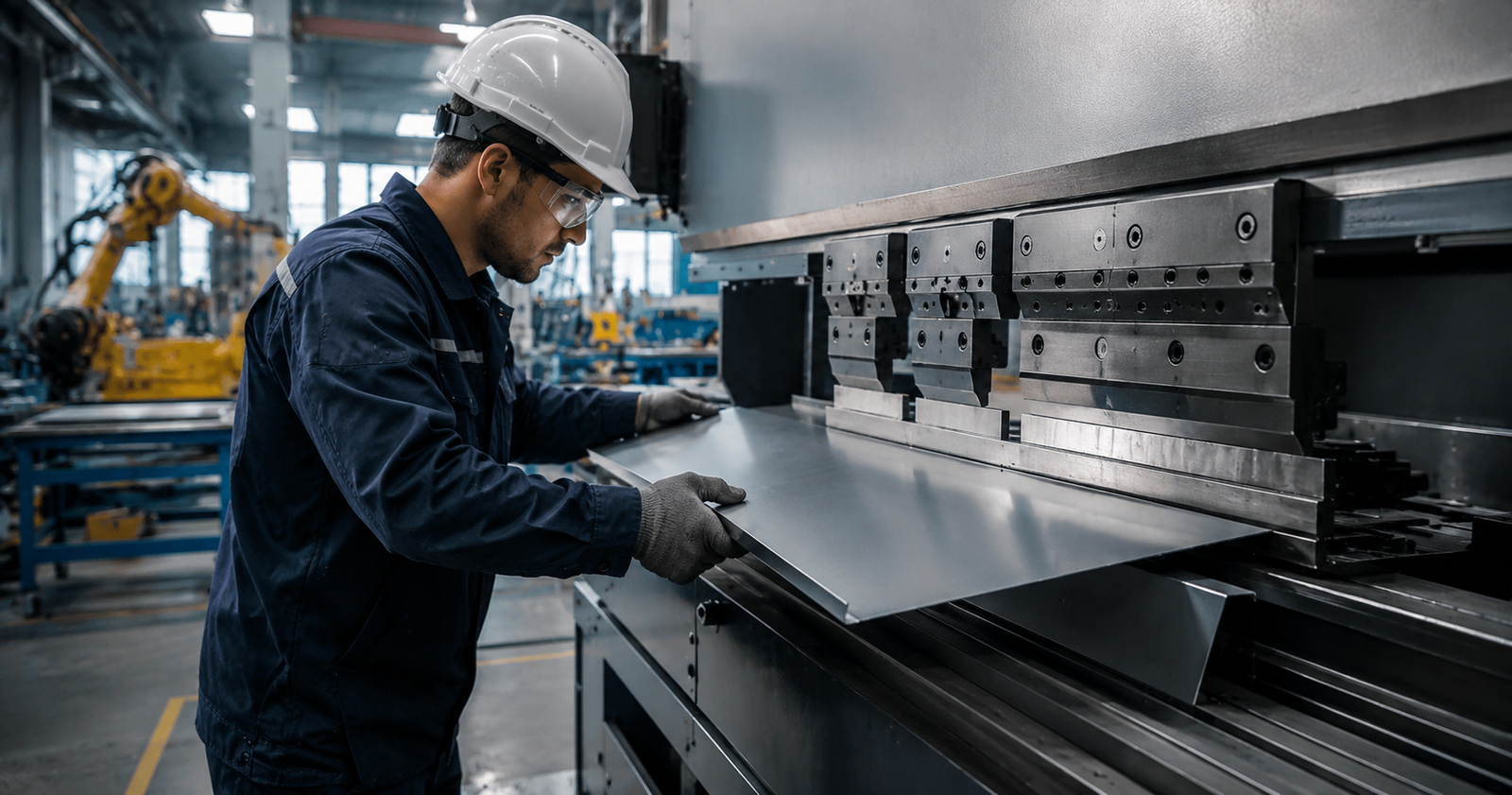
After cutting, the steel pieces are shaped according to the design requirements. This stage is known as forming. Fabricators use different machines and tools to bend or shape the steel into specific angles and curves.
Common forming techniques include:
- Bending
- Rolling
- Press forming
- Punching
You can think of this stage like shaping clay. The metal is carefully adjusted until it matches the required design.
5. Welding and Assembly
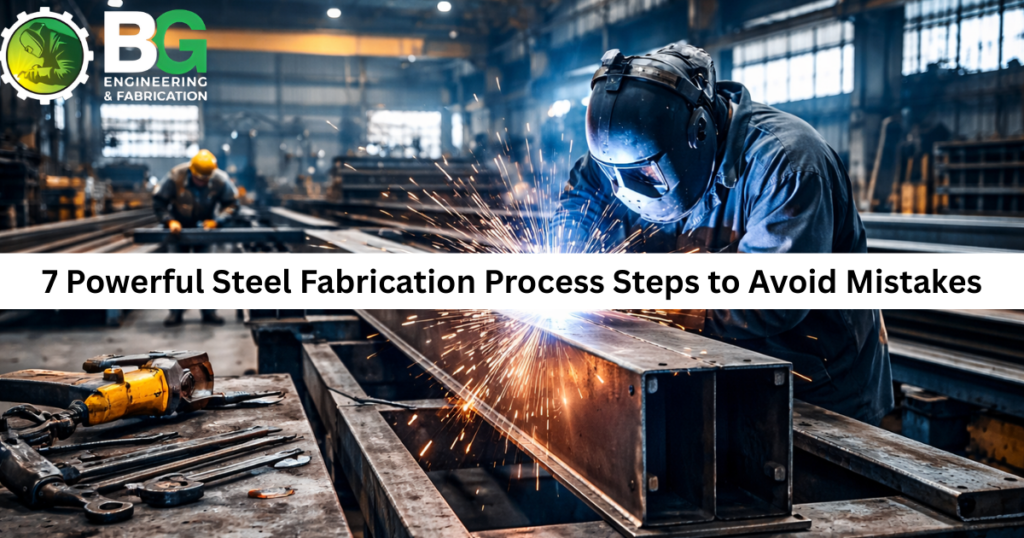
Once all pieces are prepared, the next step is joining them together. Welding is the most common method used in the steel fabrication process. Welding involves melting the edges of steel pieces and fusing them together to create a strong bond. When done correctly, the weld can be just as strong as the original steel.
During this stage, fabricators assemble the different components to form the final structure. For example, steel beams may be welded together to create a building frame or machinery support system.


6. Quality Inspection
Before the product is delivered or installed, it goes through a quality inspection. This step ensures that the fabricated steel meets safety and design standards.
Inspectors check:
- Measurements and dimensions
- Welding quality
- Structural strength
- Surface finish
Quality control is essential because even a small defect can affect performance or safety.
7. Surface Finishing
After assembly, the fabricated steel often goes through finishing treatments. These finishes improve the appearance of the steel and protect it from rust and environmental damage.
Common finishing methods include:
- Grinding and polishing
- Sandblasting
- Painting or powder coating
- Galvanizing
Surface finishing acts like a protective shield for steel. It helps prevent corrosion and extends the life of the structure.

Common Applications of Steel Fabrication

Steel fabrication is used in many industries and construction projects. Some of the most common applications include:
- Construction projects such as building frames, staircases, and structural supports.
- Industrial equipment like machinery frames, platforms, and storage tanks.
- Infrastructure projects including bridges, pipelines, and transportation structures.
- Residential fabrication such as gates, grills, railings, and metal furniture.
- Because steel is strong, flexible, and durable, fabricated steel structures can be used in almost every type of construction environment.
Benefits of Steel Fabrication

The steel fabrication process offers several advantages that make it popular in construction and manufacturing.
- First, steel structures are extremely strong and can support heavy loads without losing stability.
- Second, steel is highly durable. Fabricated steel structures can last for decades with proper maintenance.
- Third, steel fabrication allows precise customization. Fabricators can design structures to match exact project requirements.
Finally, steel is recyclable, making it an environmentally friendly construction material.
Final Thoughts
The steel fabrication process is a carefully planned journey that turns raw metal into functional structures used in everyday life. From cutting and shaping to welding and finishing, each step plays an important role in creating strong and reliable steel components.
Whether it is a building frame, industrial platform, or residential gate, fabricated steel provides durability, precision, and long-term performance.
Understanding how steel fabrication works helps highlight the skill, planning, and engineering behind the structures that support modern infrastructure. Behind every strong steel structure is a detailed fabrication process that ensures safety, quality, and reliability.