
Fabrication vs Manufacturing Difference Explained
6 Modern Steel Fabrication Techniques for Better Results
Many people use the words fabrication and manufacturing interchangeably because both involve producing industrial products. At first glance, they may look similar, but their working methods, production goals, and industrial applications are very different.
The fabrication vs manufacturing difference becomes easier to understand when you compare them to building a house. Fabrication is like preparing the bricks, steel frames, doors, and windows. Manufacturing is like completing the entire house using those prepared materials. One focuses on creating components, while the other focuses on producing complete products at scale.
This difference matters for businesses that want better production efficiency, lower operational costs, high-quality output, and customized industrial solutions. Whether you work in metal fabrication, industrial engineering, construction, or product development, understanding both processes helps you make smarter decisions.
The Core Purpose Behind Fabrication Processes
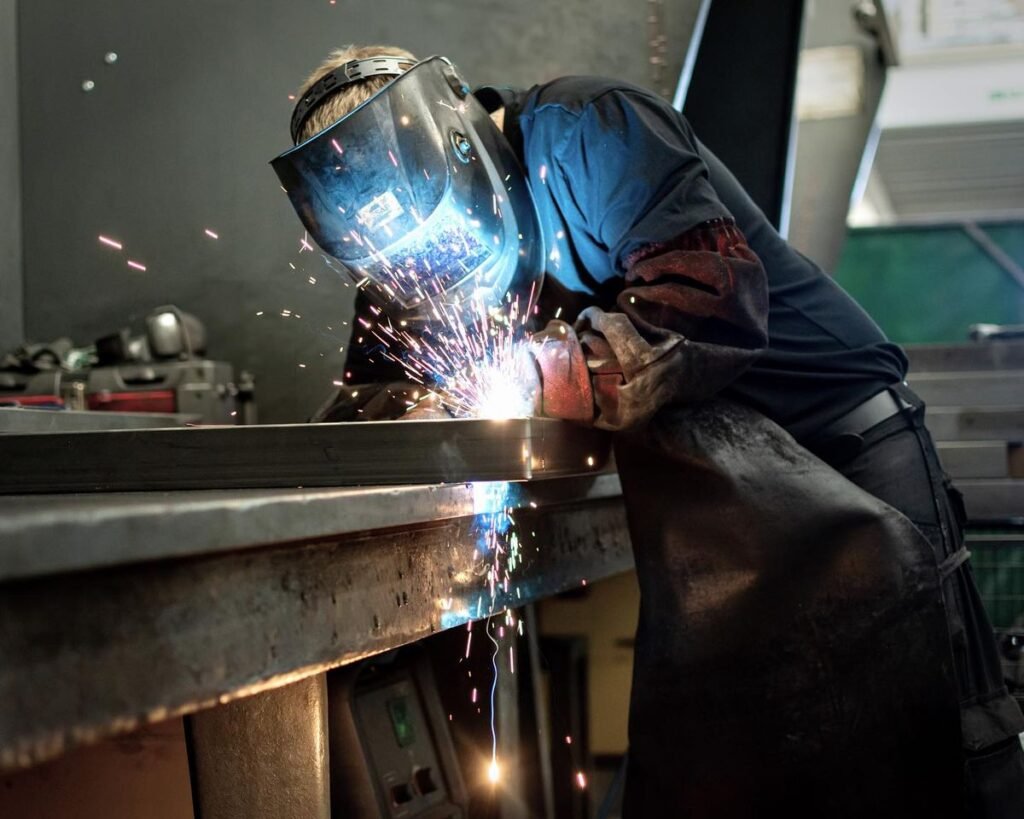
Fabrication mainly focuses on shaping raw materials into usable parts or structures. It is commonly used when industries need customized metal products, machine components, or structural frameworks.
In most fabrication projects, the work starts with raw materials such as:
- Steel sheets
- Aluminum plates
- Metal rods
- Pipes
- Stainless steel components
These materials go through several industrial procedures before becoming a finished fabricated part.
Operations Commonly Used in Fabrication
A fabrication workshop may perform multiple tasks during production, including:
- Laser cutting
- CNC machining
- Metal bending
- Welding
- Drilling
- Punching
- Grinding
- Assembly work
Each step adds shape, strength, and functionality to the final structure.
For example, if a company needs a custom steel staircase for a commercial building, the fabrication team cuts the steel, bends it into shape, welds the sections together, and prepares the final structure according to exact measurements.
This is why fabrication is strongly connected with custom manufacturing solutions and project-based industrial work.
The Core Purpose Behind Fabrication Processes
Manufacturing is a much broader industrial system. It involves converting raw materials or fabricated parts into finished goods that are ready for consumers or commercial use.
Unlike fabrication, manufacturing often focuses on:
- Large-scale production
- Standardized products
- Automated production systems
- Mass production efficiency
- Consistent product quality
If fabrication creates the building blocks, manufacturing assembles those blocks into complete finished products.
For instance, a car manufacturing plant does not only fabricate metal parts. It combines fabricated components, electronics, engines, plastic materials, glass, and software systems to produce a complete vehicle.
Manufacturing processes usually involve:
- Product design
- Material sourcing
- Assembly lines
- Quality control
- Packaging
- Industrial automation
- Supply chain management
Modern manufacturing industries depend heavily on robotics, AI-driven production systems, and smart factory technologies to improve efficiency and reduce production cost
Breaking Down the Real Fabrication vs Manufacturing Difference
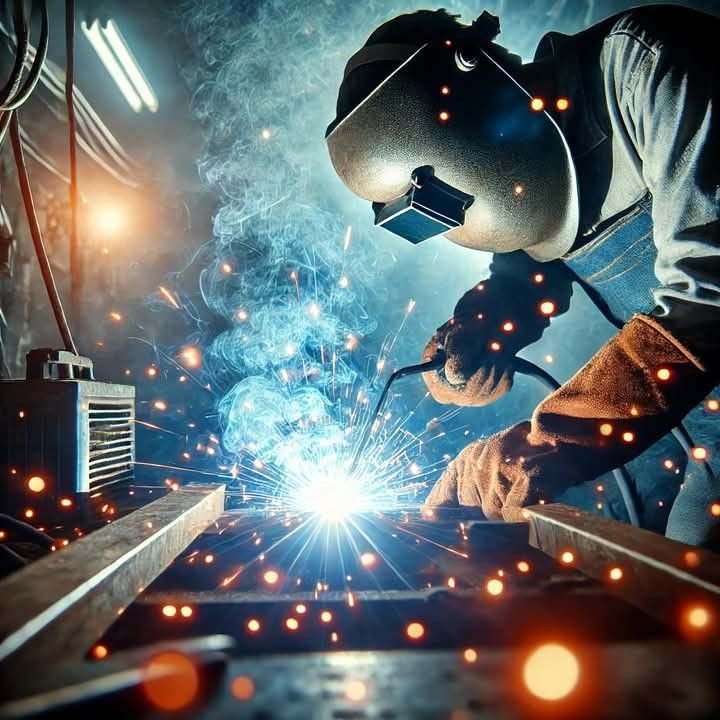
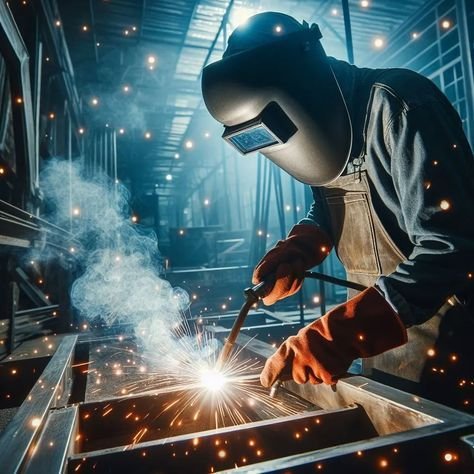
Understanding the fabrication vs manufacturing difference becomes easier when you compare their goals, workflow, and output.
Production Objective
Fabrication focuses on creating industrial parts or structures. Manufacturing focuses on producing complete products for market use.
Production Volume
Fabrication is often customized and project-specific. Manufacturing usually handles high-volume production.
Equipment Usage
Fabrication workshops rely on welding machines, cutting tools, CNC systems, and metalworking equipment. Manufacturing plants use assembly lines, automation systems, robotics, and large production machinery.
Flexibility
Fabrication offers higher customization because each project can have different specifications. Manufacturing works best with standardized designs and repeated production cycles.
End Product
Fabrication may produce steel frames, machine parts, or industrial structures. Manufacturing delivers finished goods like cars, electronics, appliances, or packaged machinery.
In simple words, fabrication is a specialized production step, while manufacturing is the complete industrial ecosystem.
Where Fabrication Plays the Biggest Role
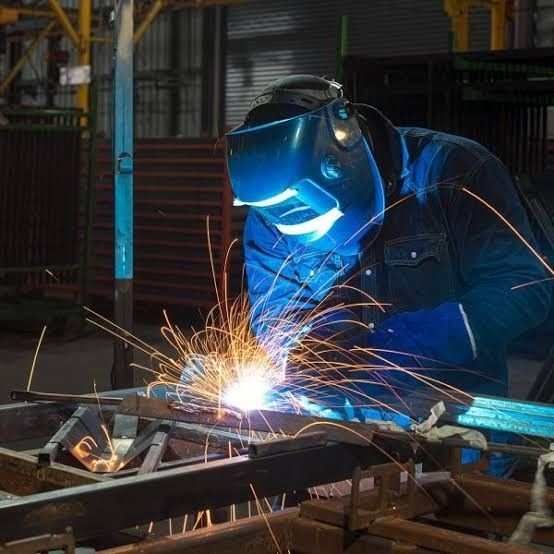
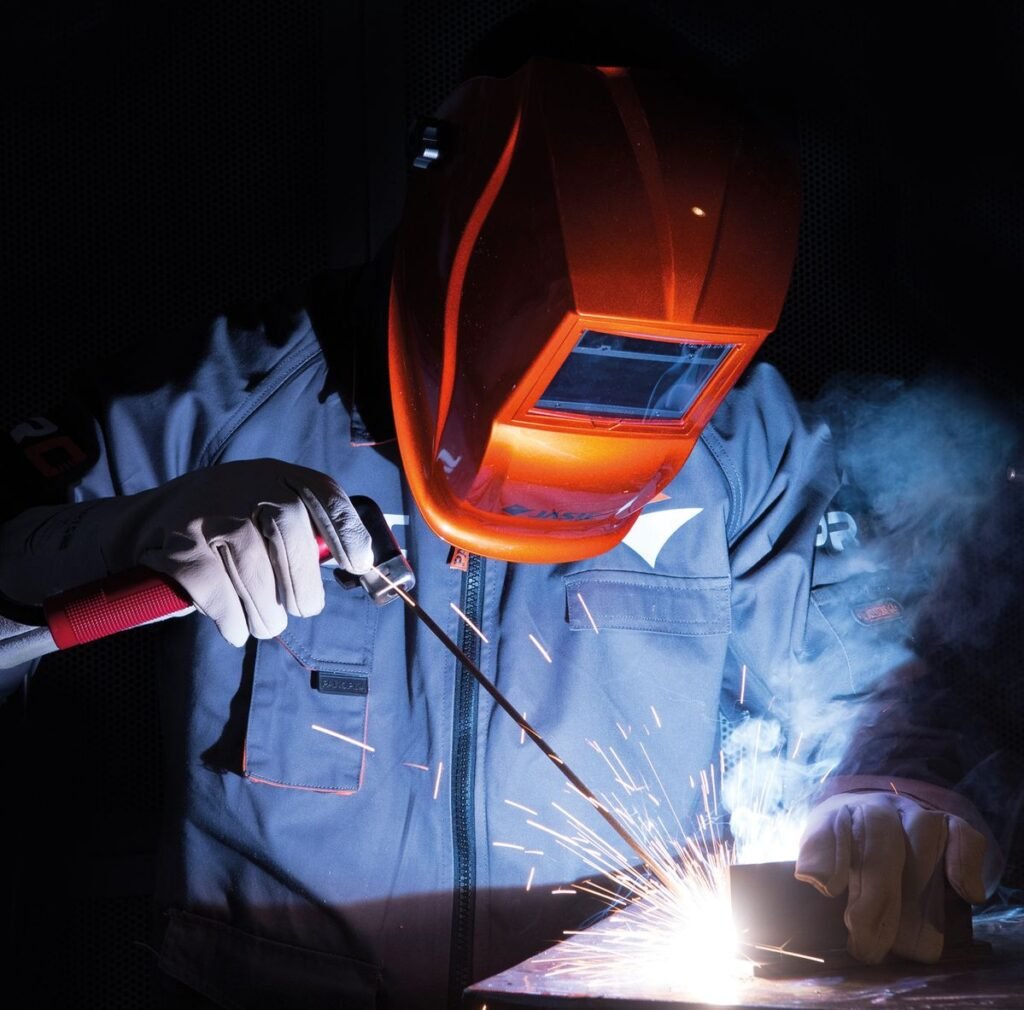
Fabrication services are essential in industries that require precision, durability, and customized engineering.
Construction and Infrastructure
Construction companies use fabricated steel structures for buildings, bridges, staircases, and industrial frameworks.
Oil and Gas Industry
Pipelines, storage tanks, and heavy-duty metal systems are often fabricated according to strict industrial standards.
Aerospace Engineering
Aircraft manufacturers rely on precision fabrication for lightweight metal components and structural assemblies.
Large machines require fabricated parts that can handle pressure, heat, and continuous operation.
Interior and Exterior Design
Modern architectural projects use metal fabrication for decorative panels, railings, gates, and commercial installations.
Fabrication supports industries where strength, customization, and technical accuracy matter the most.
Why Manufacturing Dominates Global Production
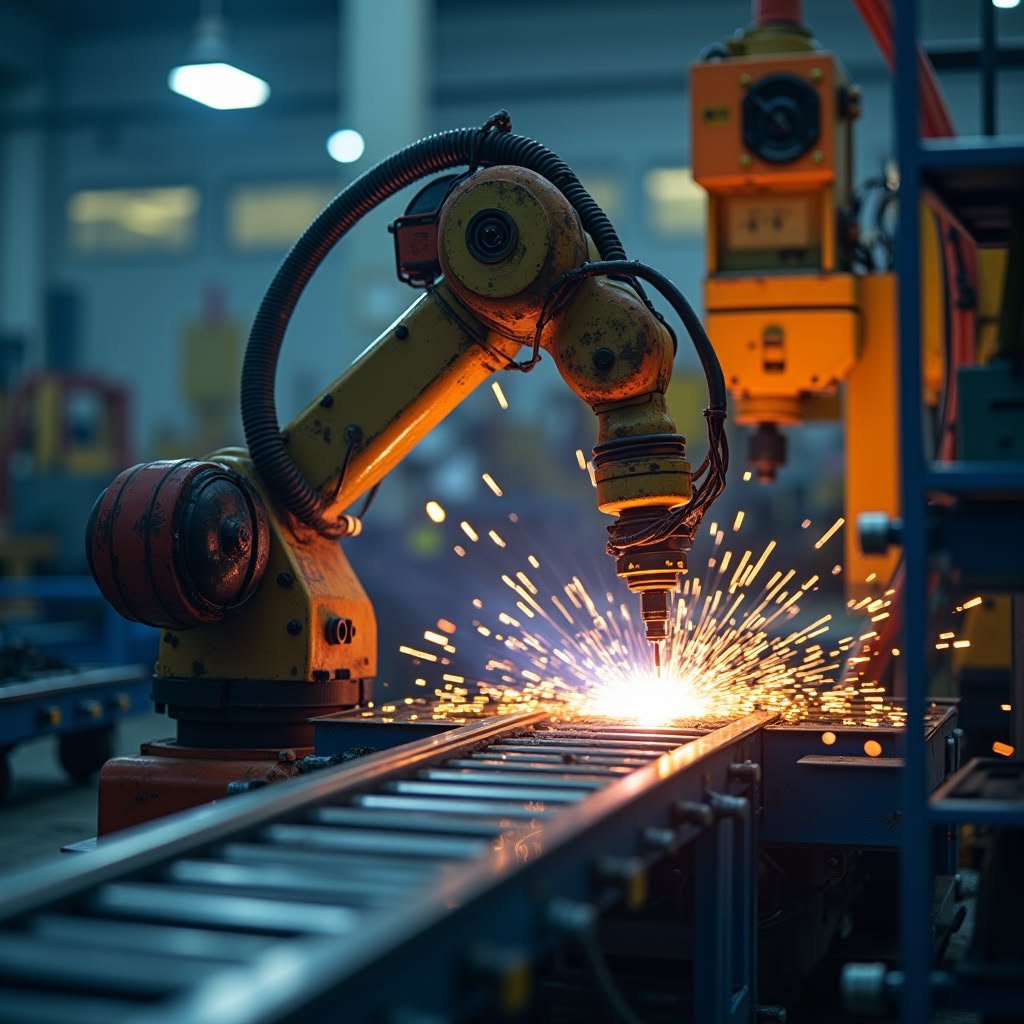
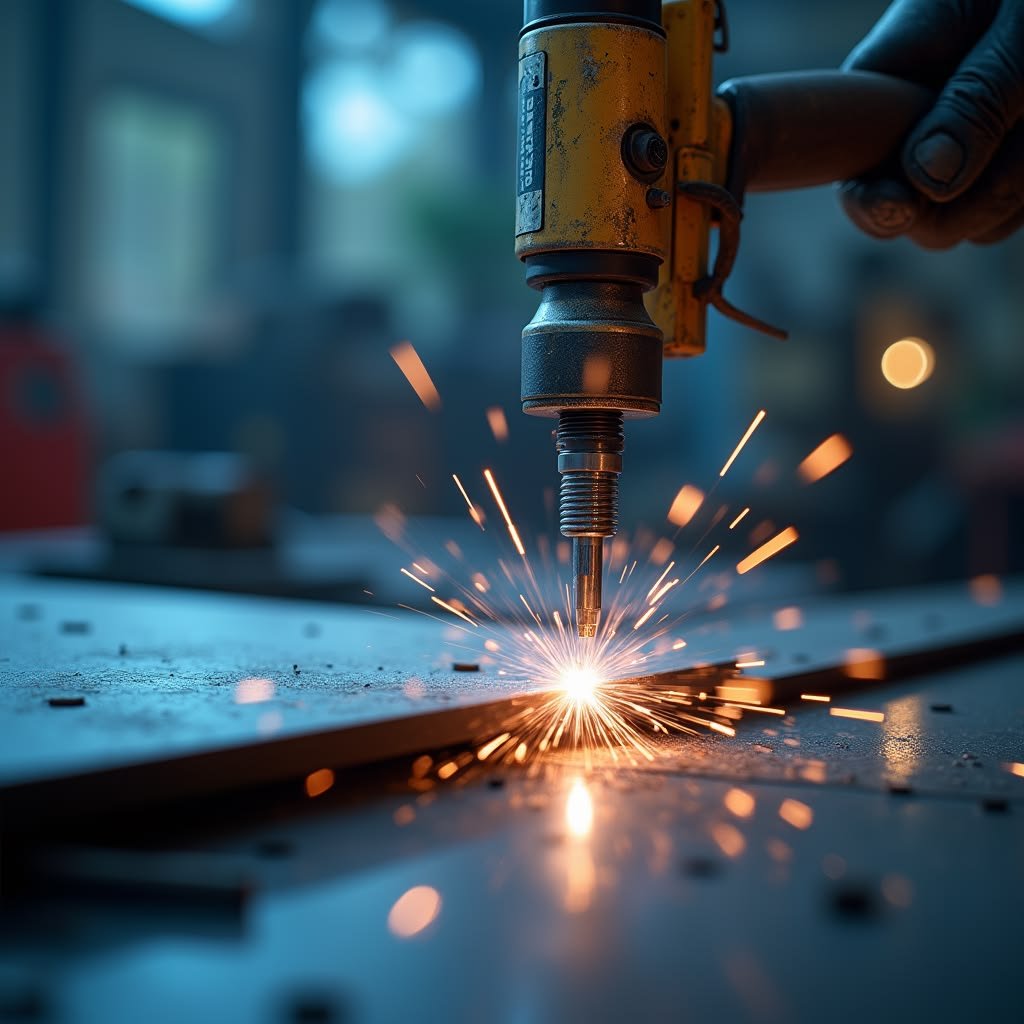
Manufacturing drives the global economy because it allows businesses to produce products quickly, consistently, and affordably.
Without manufacturing systems, mass production would not exist. Everyday products like smartphones, refrigerators, automobiles, clothing, and medical equipment all depend on advanced manufacturing operations.
Benefits of Modern Manufacturing
Manufacturing offers several business advantages:
- Faster production speed
- Reduced labor costs
- Higher consistency
- Scalable production
- Better inventory management
- Improved product availability
Automation has completely changed the manufacturing industry. Smart factories now use artificial intelligence, industrial robotics, and machine learning to monitor product quality and improve efficiency.
This technological growth helps companies meet global demand while maintaining competitive pricing.
Choosing Between Fabrication and Manufacturing for Your Business
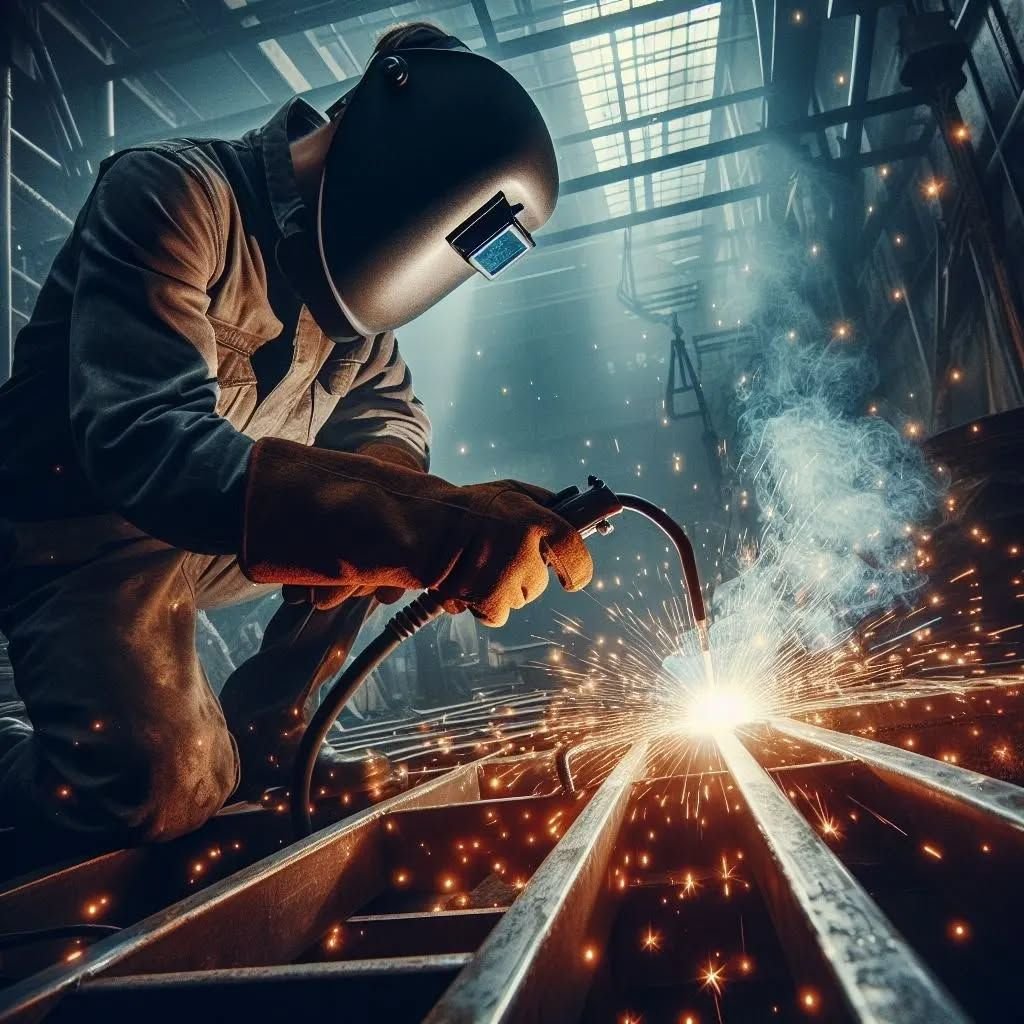
Businesses often struggle to decide whether they need fabrication services or full manufacturing support. The answer depends on project goals, production volume, and customization needs.
Choose Fabrication If You Need:
- Custom metal structures
- Project-specific components
- Precision engineering
- Prototype development
- Small production runs
- Specialized industrial parts
Choose Manufacturing If You Need:
- Mass production
- Standardized products
- Large-scale assembly
- Consumer-ready goods
- Automated production systems
- High-volume output
Some industries actually combine both systems. Fabricated components are first prepared, then transferred into manufacturing facilities for final assembly and distribution.
This hybrid approach improves efficiency while maintaining product quality.
The Growing Impact of Technology on Both Industries
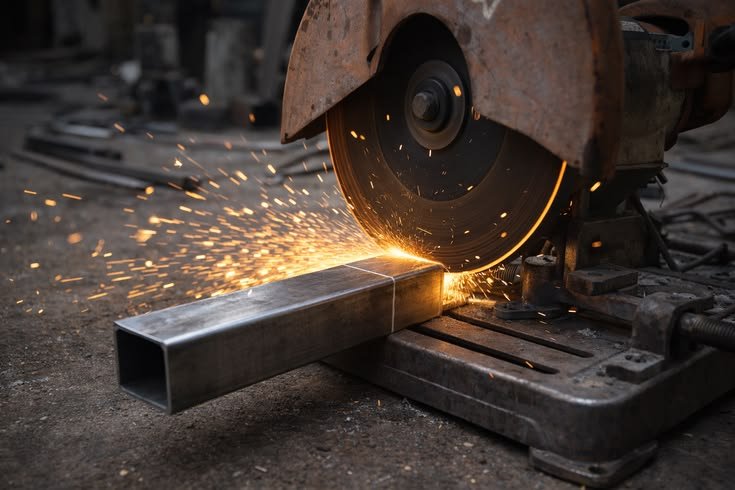
Technology is transforming both fabrication and manufacturing faster than ever before.
- CNC plasma cutting
- 3D metal printing
- Automated welding systems
- Precision laser cutting
- Digital fabrication software
Meanwhile, manufacturing industries are adopting:
- AI-powered production
- Smart sensors
- Industrial IoT systems
- Predictive maintenance
- Robotics automation
- Cloud-based production management
These advancements improve productivity, reduce material waste, and increase operational accuracy.
Companies that invest in advanced industrial technologies gain a major competitive advantage in today’s market.
Final Thoughts on Fabrication vs Manufacturing Difference
The fabrication vs manufacturing difference is not just about terminology. It represents two different stages of industrial production.
Fabrication focuses on building custom parts, metal structures, and engineered components through cutting, welding, bending, and assembly. Manufacturing takes those materials and components to create finished products on a larger scale.
Both systems are essential for modern industries. Fabrication provides flexibility and customization, while manufacturing delivers speed, consistency, and mass production efficiency.
Understanding how these processes work helps businesses improve production planning, reduce costs, and select the right industrial solution for their needs.
As industries continue adopting automation, AI, and smart production systems, both fabrication and manufacturing will continue evolving together to shape the future of global production.
FAQs About Fabrication vs Manufacturing
Fabrication creates parts or structures from raw materials, while manufacturing produces complete finished products.
Yes, fabrication is often one step within the manufacturing process.
Construction, automotive, aerospace, oil and gas, and heavy machinery industries use fabrication services.
Yes, manufacturing mainly focuses on large-scale product production.
3D modeling helps in planning, error detection, and visualization before the fabrication process begins, which improves efficiency and reduces mistakes.