
Heavy Steel Fabrication Industry Benefits & Common Mistakes
Steel Fabrication for Construction Reduce Cost Build Better
The heavy steel fabrication industry plays a critical role in shaping the modern world. From high-rise buildings and bridges to oil refineries and power plants, almost every large-scale project depends on fabricated steel structures. It is not just a manufacturing process—it is a precision-driven engineering discipline that combines strength, design, and functionality.
In simple terms, heavy steel fabrication is where raw steel is transformed into reliable, load-bearing structures that can withstand extreme conditions. Without it, modern infrastructure would struggle to exist.
From Raw Steel to Mega Structures What Heavy Steel Fabrication Really Means
Heavy steel fabrication goes far beyond basic metalwork. It involves a structured process of cutting, shaping, welding, and assembling steel components into complex structures designed for durability and performance.
This industry operates like a well-coordinated system. Engineers create detailed designs using CAD (Computer-Aided Design) software, which are then executed using advanced machinery such as CNC cutting machines and robotic welding systems. Every stage demands accuracy because even a small deviation can impact the entire structure.
Think of it like building a puzzle where each piece must fit perfectly. If one piece is even slightly off, the entire structure becomes unstable. That’s why precision, planning, and execution are at the heart of heavy steel fabrication.
Why the Heavy Steel Fabrication Industry Powers Global Development
The importance of this industry cannot be overstated. It directly supports infrastructure development, industrial expansion, and economic growth.
Steel fabrication makes it possible to build:
- Long-span bridges that connect cities
- Industrial plants that drive manufacturing
- Warehouses that support logistics and supply chains
It also creates employment opportunities and strengthens related industries such as construction, engineering, and transportation.
From a broader perspective, the heavy steel fabrication industry acts as a foundation for national development, enabling countries to grow and modernize efficiently.
Inside the Process: How Massive Steel Structures Are Engineered Step by Step
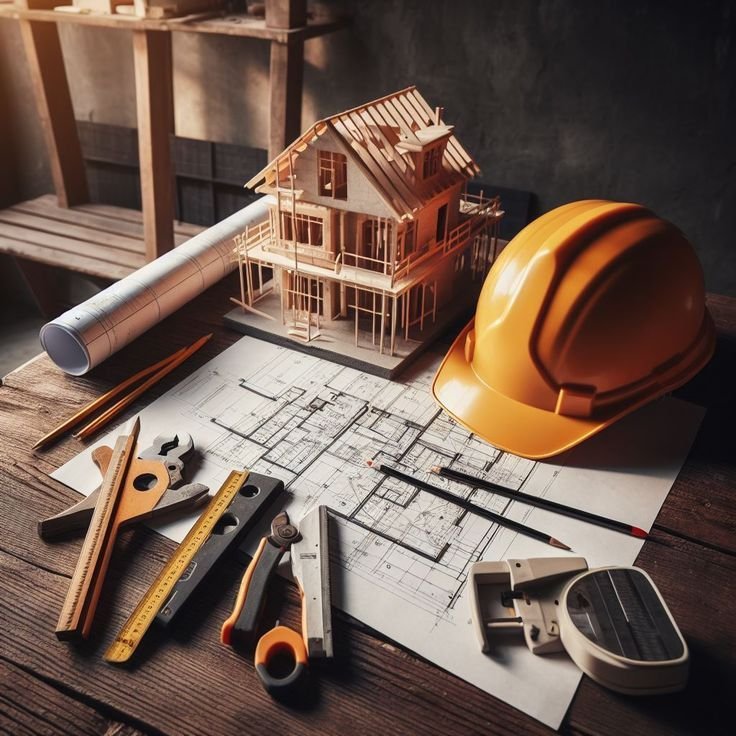
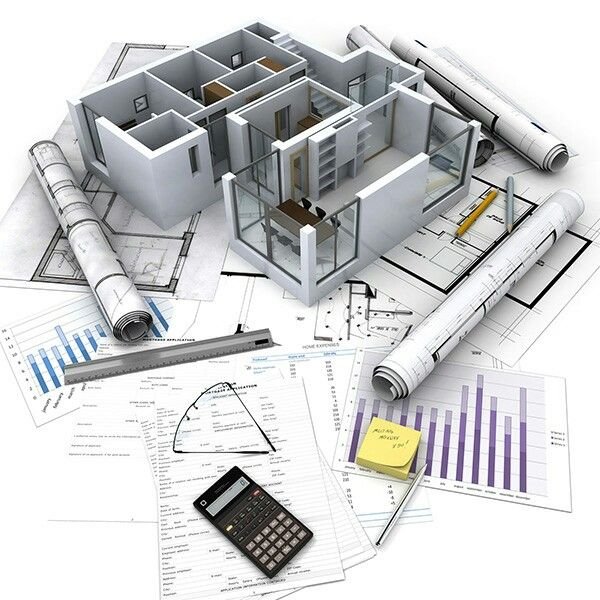
Understanding the fabrication process helps you appreciate the complexity behind every structure.
Cutting and Shaping
The process begins with cutting raw steel into required dimensions using laser cutting, plasma cutting, or water jet cutting. These methods ensure clean edges and accurate sizing.
Bending and Forming
Steel components are then shaped using press machines to match design specifications. This step requires careful control to avoid weakening the material.
Welding and Joining
Welding is one of the most critical steps. Different parts are fused together using high heat to create a strong bond. High-quality steel welding techniques ensure structural integrity.
Assembly and Installation
All components are assembled into final structures, either in the workshop or on-site, depending on project requirements.
Surface Finishing
Protective coatings, painting, and polishing are applied to prevent corrosion and improve durability.
Each step is interconnected, making the process both technical and highly detail-oriented.
Types of Steel That Define Strength, Durability, and Performance
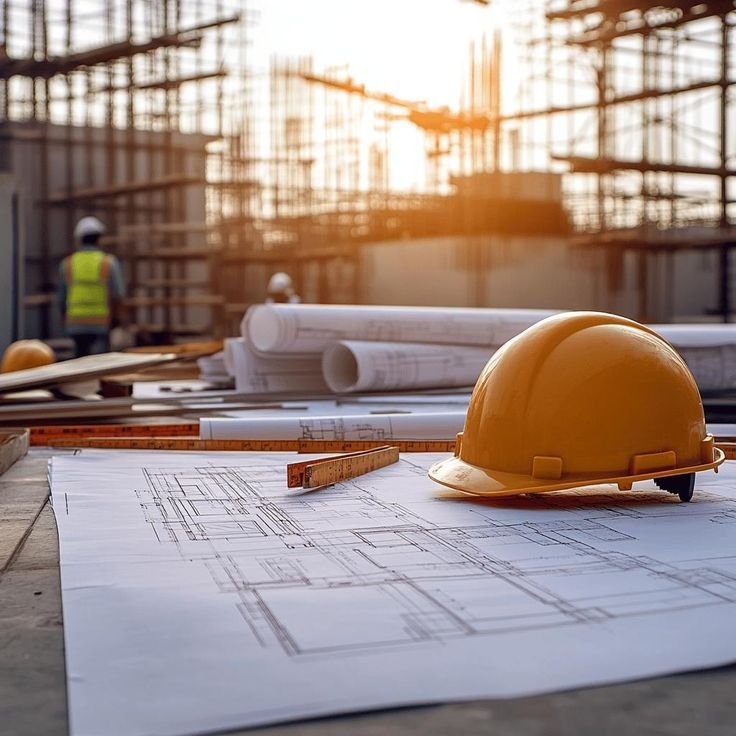
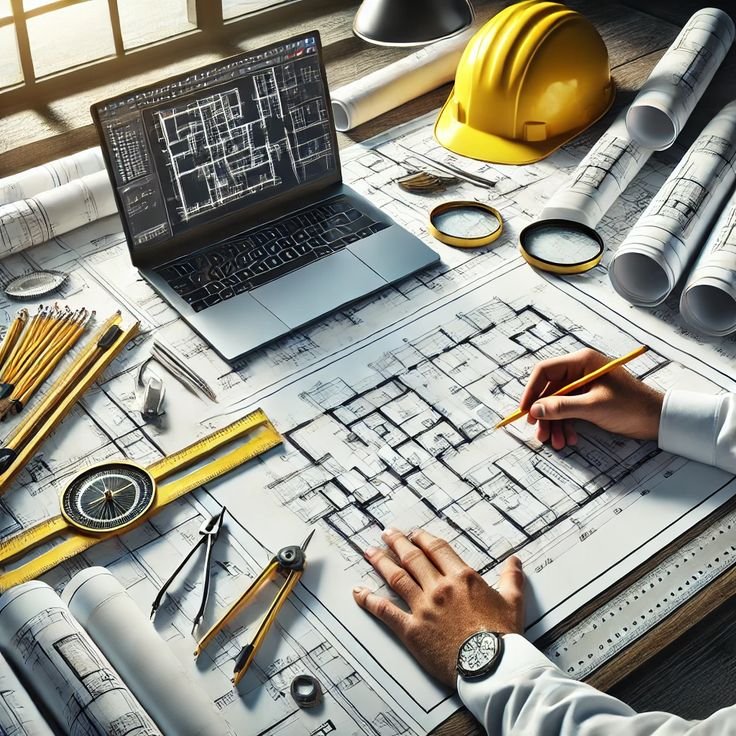
Different projects require different types of steel, depending on performance needs.
- Carbon Steel – widely used due to its strength and affordability
- Stainless Steel – offers corrosion resistance, ideal for harsh environments
- Alloy Steel – enhanced properties for heavy-duty applications
- Structural Steel – specifically designed for construction frameworks
Choosing the right material is like selecting the right foundation for a building—it determines long-term performance and safety.
Where Heavy Steel Fabrication Comes to Life: Real-World Applications That Matter
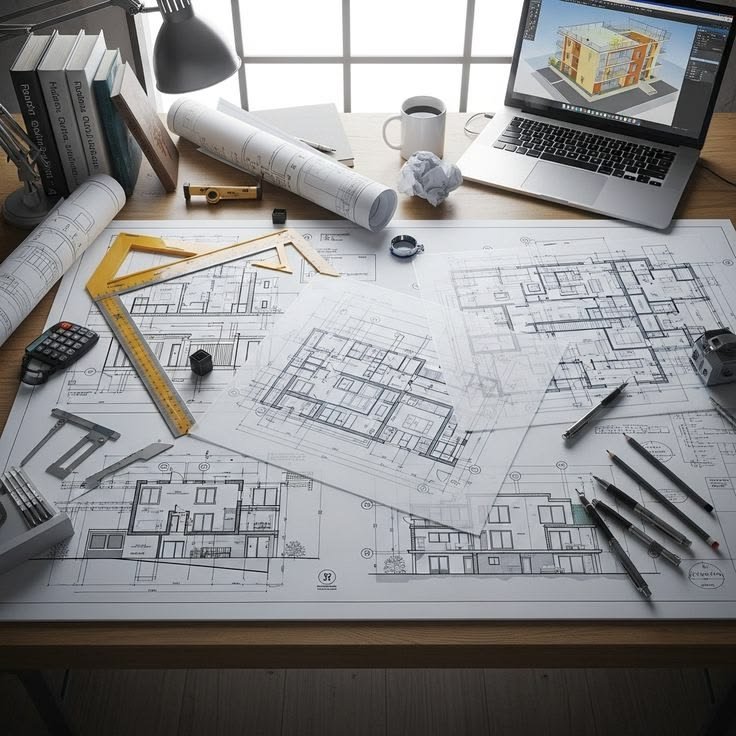
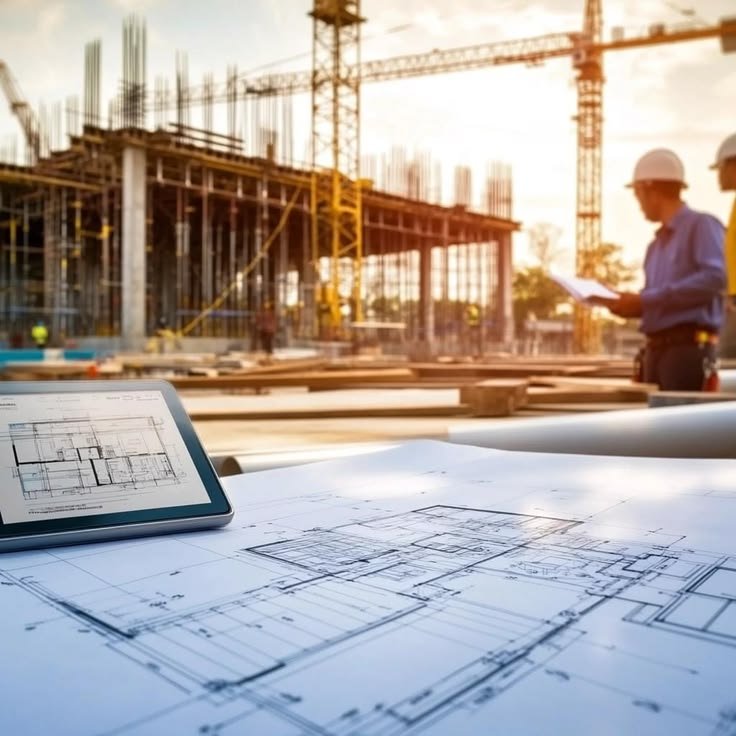
Heavy steel fabrication is present in almost every major industry.
Key Applications:
- Construction of commercial and residential buildings
- Oil and gas infrastructure
- Power plants and energy facilities
- Shipbuilding and marine structures
- Industrial machinery and equipment
These applications highlight how essential fabricated steel is in supporting everyday life and large-scale operations.
Smart Fabrication: How Technology is Transforming the Steel Industry
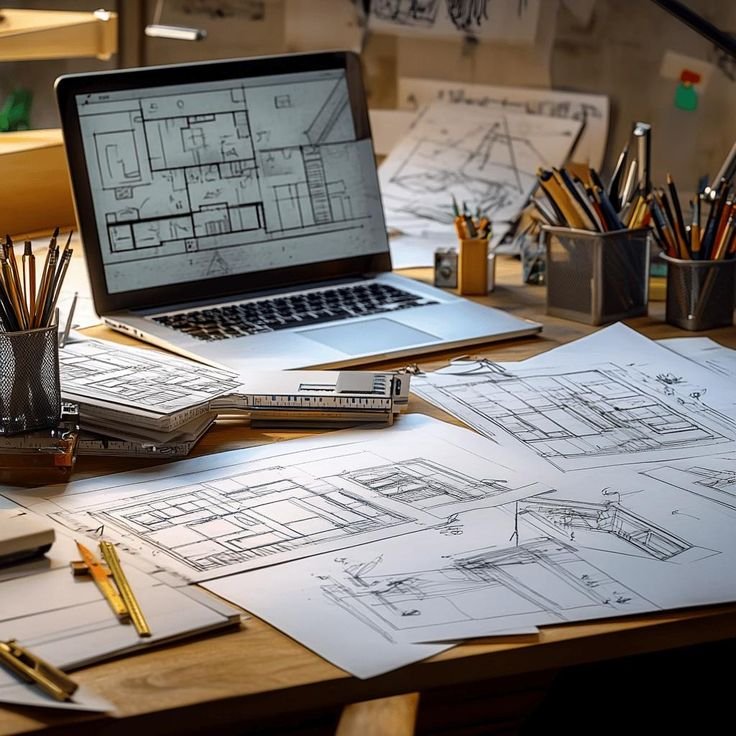
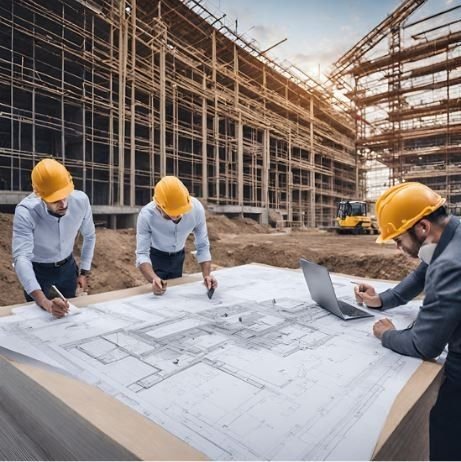
Technology has significantly improved the efficiency and accuracy of steel fabrication.
Modern advancements include:
- CNC machining for precision cutting
- Robotic welding for consistency
- 3D modeling and simulation tools
- Automation for faster production cycles
These innovations reduce waste, improve safety, and ensure high-quality output. The shift toward digital fabrication and smart manufacturing is shaping the future of the industry.
Industry Challenges No One Talks About (But Every Expert Knows)
Despite its importance, the heavy steel fabrication industry faces several challenges.
- Rising raw material costs
- Shortage of skilled labor
- Strict quality and safety standards
- Project delays due to supply chain issues
Managing these challenges requires strategic planning, skilled workforce, and efficient project management systems.
Safety First: Why Precision and Protection Go Hand in Hand
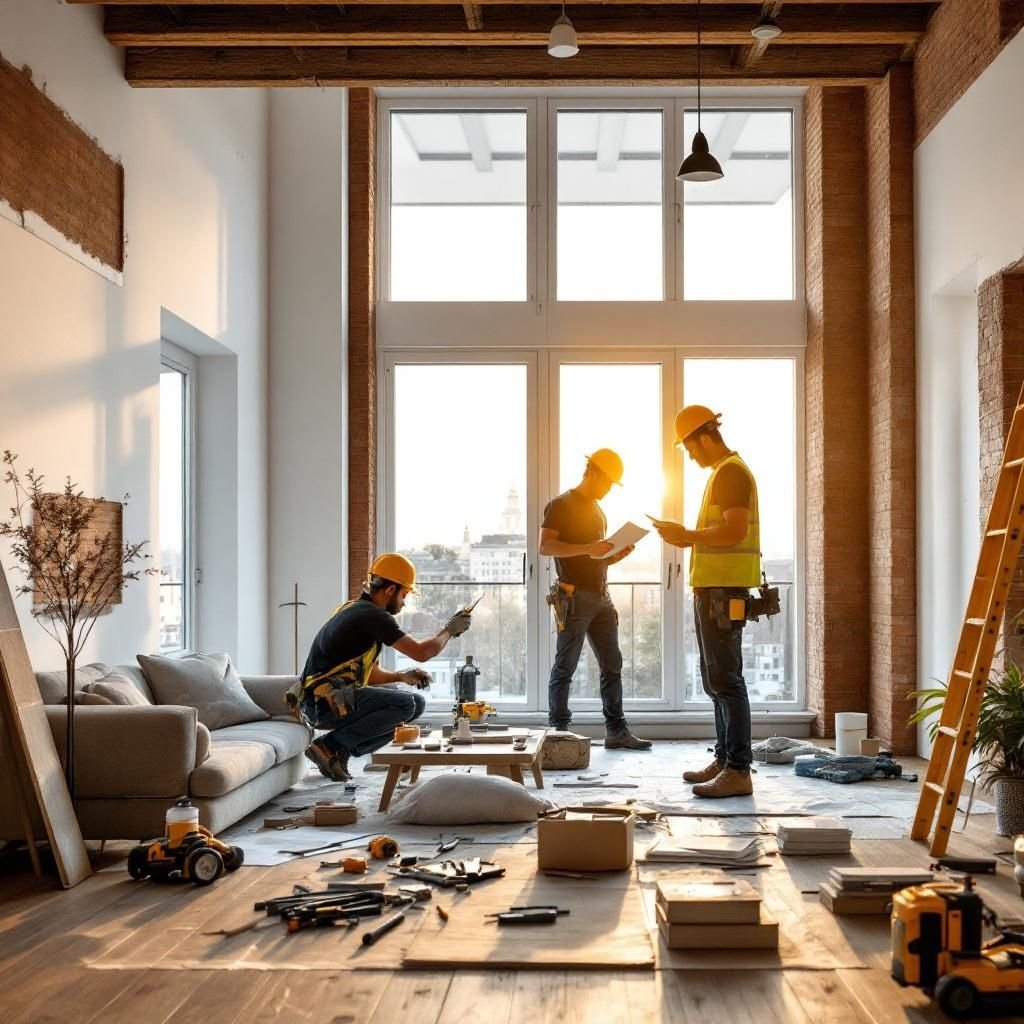
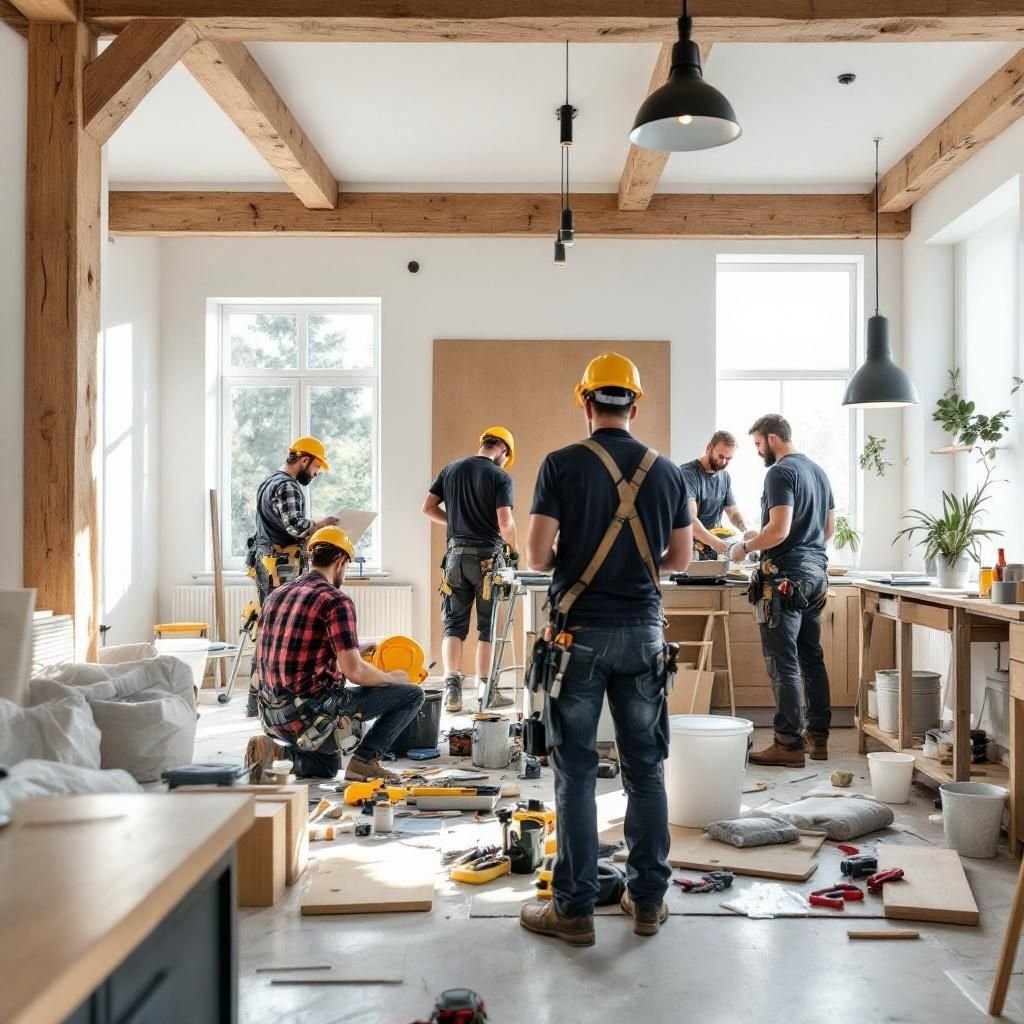
Safety is a major concern in steel fabrication due to the use of heavy machinery and high temperatures.
Key safety practices include:
- Wearing protective equipment
- Following strict operational protocols
- Regular equipment maintenance
- Worker training and supervision
A safe work environment not only protects workers but also improves productivity and reduces project delays.
Choosing the Right Steel Fabrication Partner: A Decision That Impacts Everything
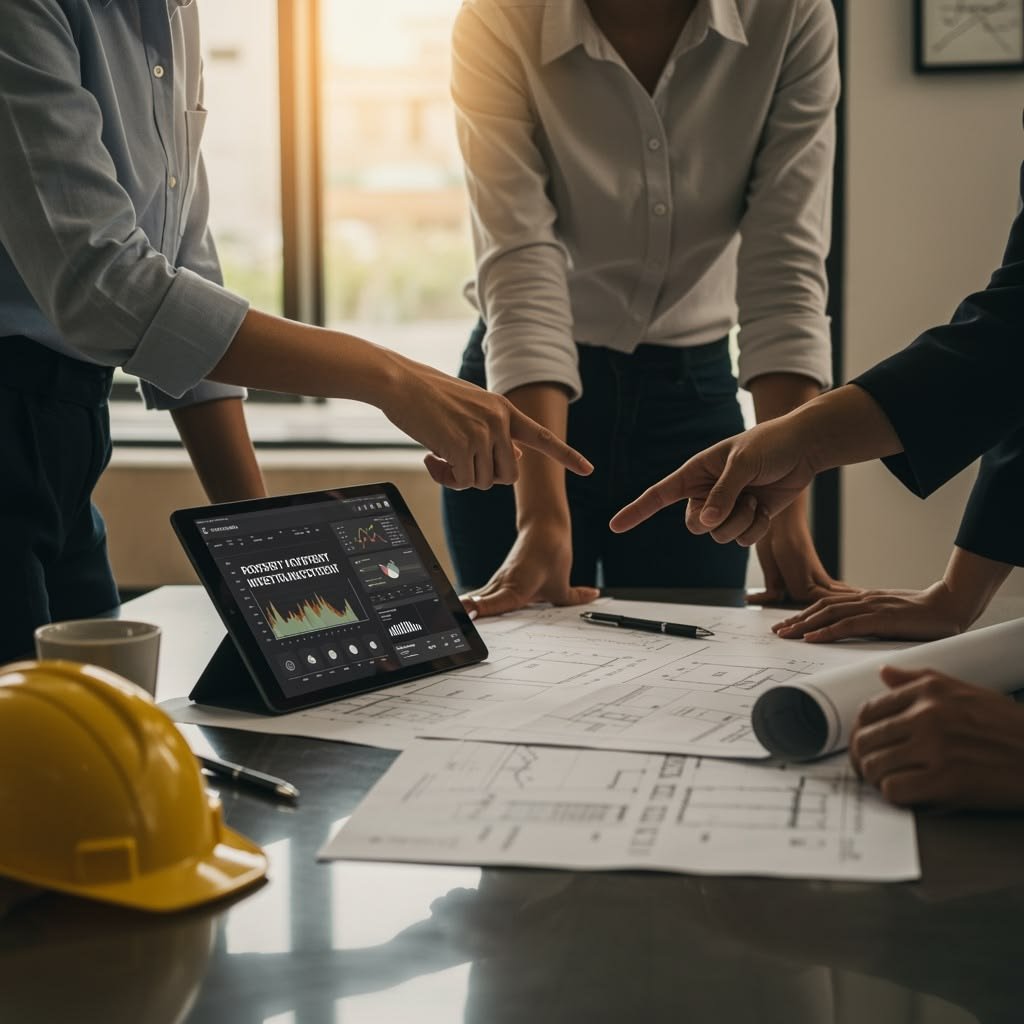
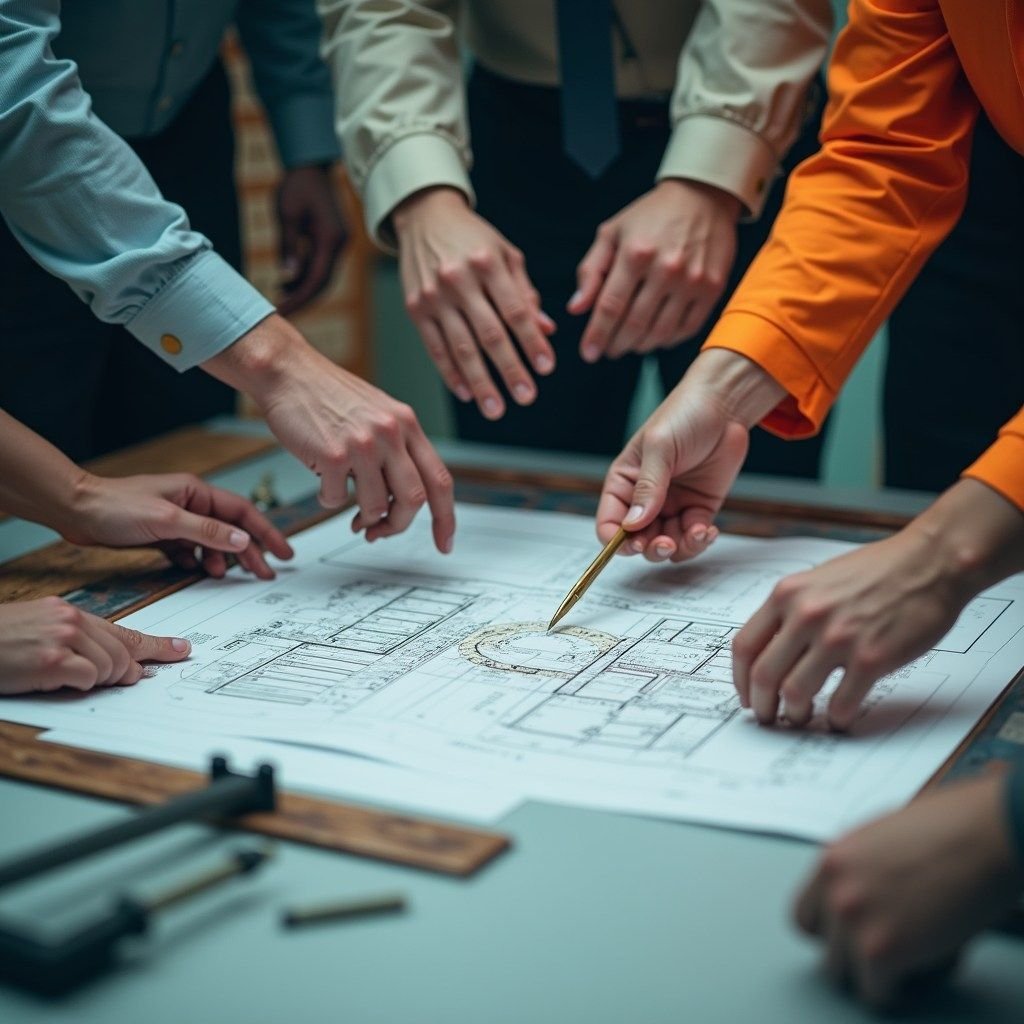
Selecting the right fabrication company can determine the success of your project.
What to Look For:
- Proven industry experience
- Advanced machinery and technology
- Quality certifications
- Ability to handle custom fabrication
- Timely delivery and project management
A reliable partner ensures your project meets both quality and performance expectations
Pro Tips from Industry Experts to Ensure High-Quality Fabrication
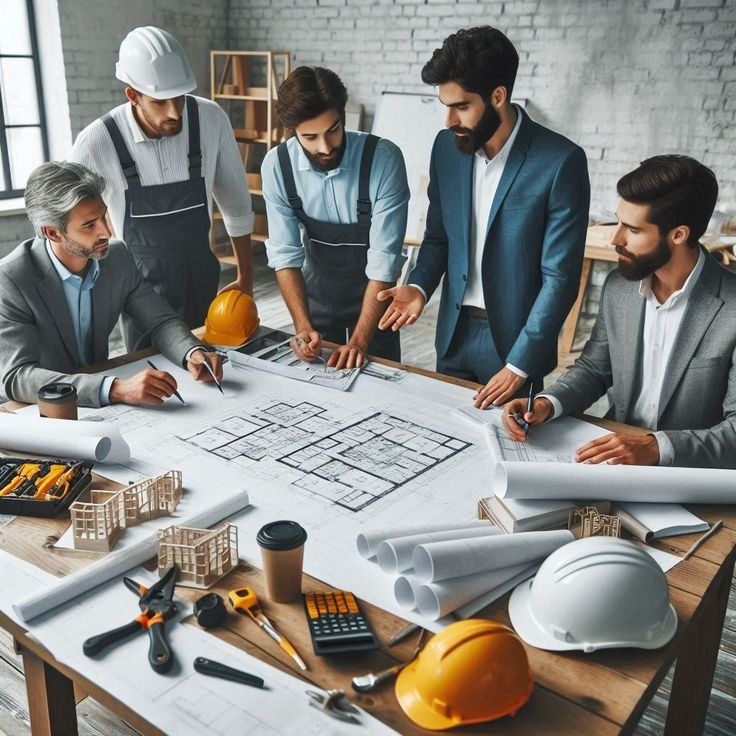
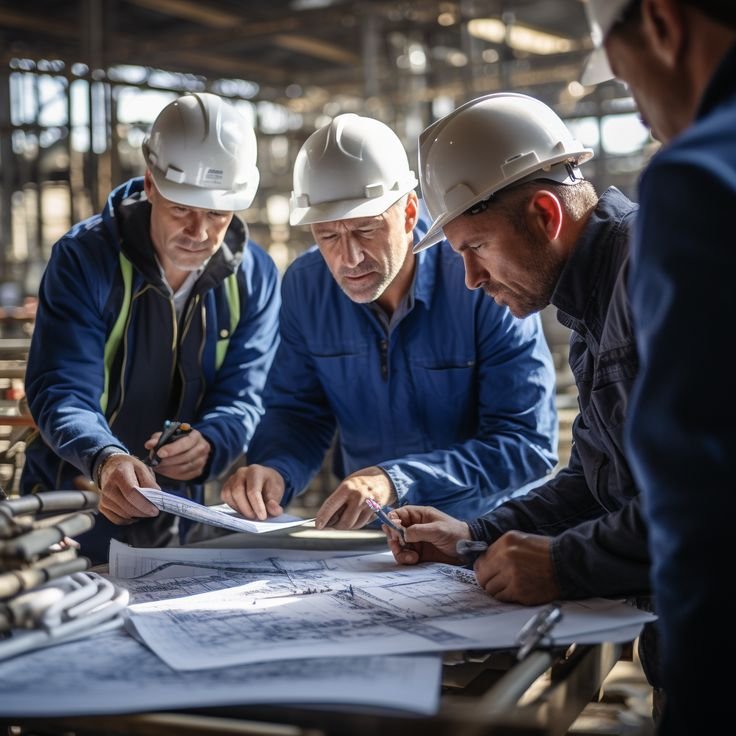
- Start with accurate design and planning
- Use the right steel grade for each application
- Never compromise on welding quality
- Invest in modern fabrication technology
- Work with experienced professionals
Even small errors in fabrication can lead to costly issues later, so attention to detail is critical.
Final Thoughts
The heavy steel fabrication industry is more than just a manufacturing sector—it is a foundation of modern civilization. Its impact can be seen in every major structure around us.
As technology continues to evolve, the industry will only become more efficient and innovative, ensuring its importance for years to come. This ongoing transformation is reshaping how large-scale projects are designed, built, and delivered. Today, fabrication is no longer limited to manual processes; it is driven by intelligent systems, data analytics, and precision engineering that allow projects to be completed faster and with greater accuracy.
One of the most significant shifts is the rise of automation and digital fabrication workflows. Advanced tools like CNC machines, robotic welding, and 3D modeling software are enabling manufacturers to achieve consistent quality while minimizing human error. This not only improves productivity but also ensures that every component meets strict engineering standards, especially in high-risk industries such as construction, oil and gas, and heavy manufacturing.
FAQs About Structural Steel Fabrication For Construction
It is the process of cutting, shaping, and assembling large steel components into structures used in construction and industrial projects.
Construction, oil & gas, manufacturing, power generation, and shipbuilding heavily rely on steel fabrication.
Steel offers high strength, durability, and resistance to extreme conditions, making it ideal for large structures.
Project timelines vary based on size and complexity, ranging from weeks to several months.
Material type, labor, design complexity, and project scale all influence the cost.