
6 Modern Steel Fabrication Techniques for Better Results
6 Modern Steel Fabrication Techniques for Better Results
Steel has always been the foundation of strong construction. From high-rise buildings to industrial warehouses, it plays a critical role in ensuring durability and stability. However, the way steel is processed and used has changed significantly over time. Traditional fabrication methods relied heavily on manual labor, which often led to inconsistencies, delays, and higher costs.
Today, modern steel fabrication techniques are transforming the industry. These techniques focus on precision, speed, and efficiency. They combine advanced machinery with digital planning to produce better results in less time. If we compare traditional fabrication to writing by hand, modern fabrication is like using a smart computer that corrects errors instantly and works faster.
In Pakistan, where construction demand is increasing rapidly, adopting modern fabrication methods is no longer optional. It is becoming essential for businesses that want to stay competitive, reduce waste, and deliver high-quality projects.
Modern Steel Fabrication Techniques
Modern fabrication techniques have introduced a new level of efficiency and precision in the industry. These methods reduce human error, improve consistency, and allow faster project completion. Below are the most important techniques used today.
CNC Cutting (Computer Numerical Control)
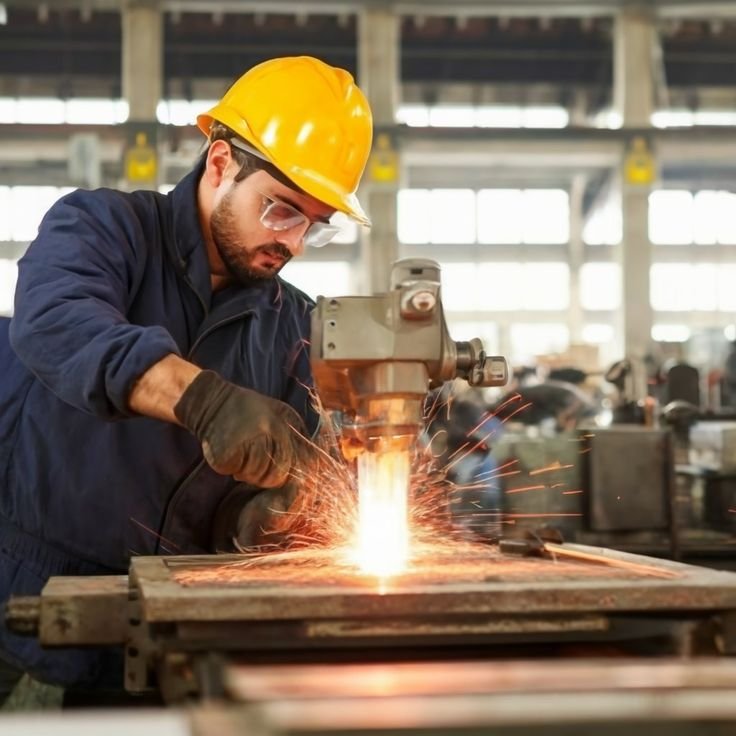
CNC cutting is one of the most important advancements in the steel fabrication process. It uses computer-controlled machines to cut steel into specific shapes based on programmed designs. This method ensures that every cut is accurate and consistent, which is essential in large-scale projects.
One of the biggest advantages of CNC cutting is its ability to repeat the same design multiple times without variation. This is especially useful in industrial fabrication, where uniform components are required. The machine follows exact instructions, which removes the chances of human error and improves overall quality.
CNC cutting also improves efficiency. It reduces the time required for manual measurement and cutting, allowing projects to move faster. In addition, it minimizes material waste because the system calculates the most efficient way to cut steel sheets. This not only saves cost but also supports better resource management.
Laser Cutting Technology
Laser cutting is another advanced technique widely used in modern steel fabrication. It uses a high-powered laser beam to cut through steel with extreme precision. This method is ideal for projects that require detailed designs and smooth finishes.
One of the key benefits of laser cutting is the clean edges it produces. Unlike traditional cutting methods, which may leave rough surfaces, laser cutting creates smooth and polished edges that require minimal finishing work. This improves both the appearance and functionality of the final product.
Laser cutting is also highly efficient in reducing waste. The narrow laser beam allows for precise cuts, which means less material is lost during the process. This makes it a cost-effective option, especially for projects with complex designs. In addition, it supports precision engineering by allowing intricate patterns and shapes that would be difficult to achieve manually.
Advanced Welding Techniques
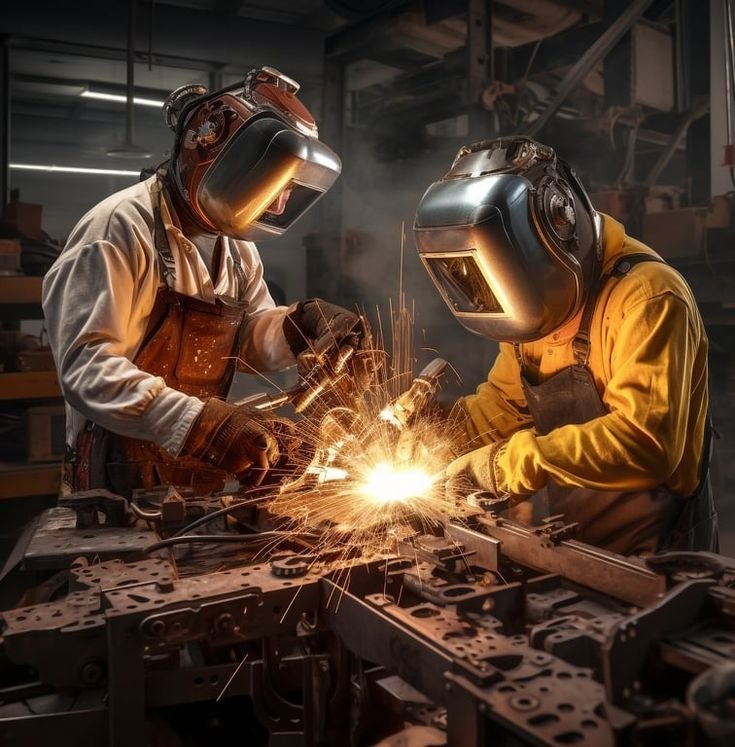
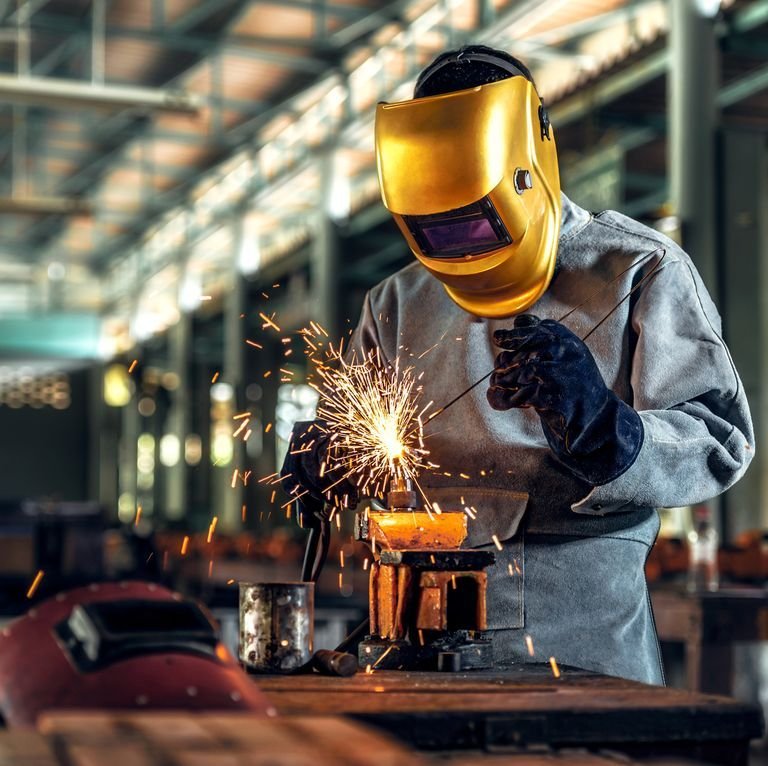
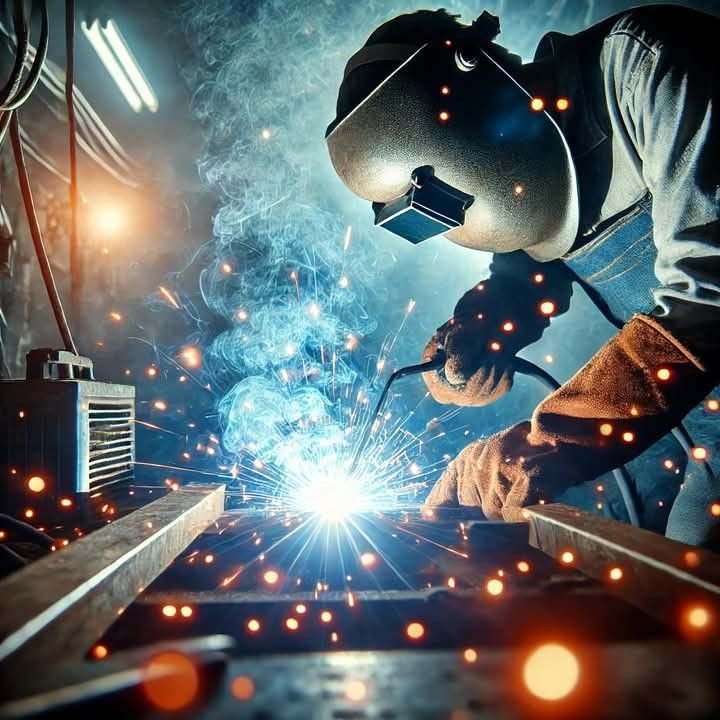
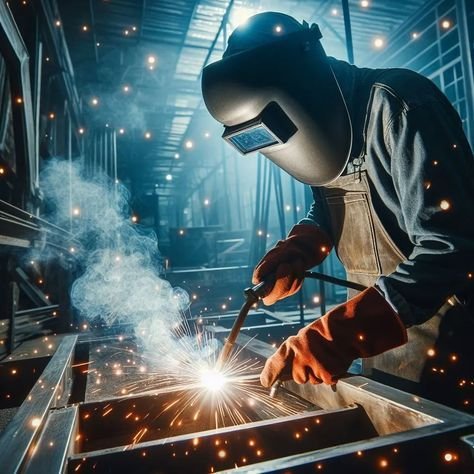
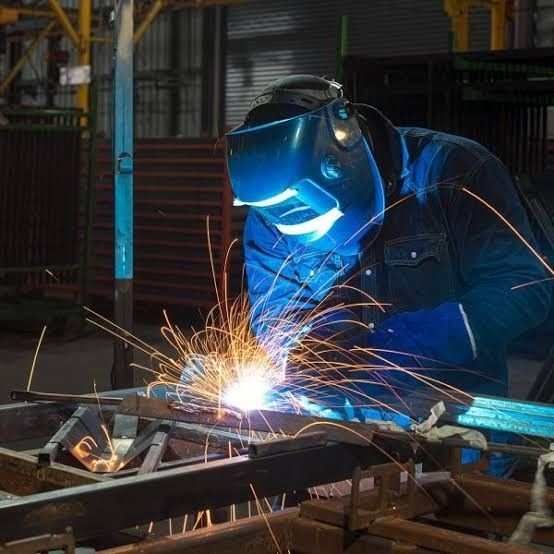
Welding is a critical part of steel fabrication, as it joins different components together to form a complete structure. Modern welding techniques have improved significantly, offering stronger and more reliable connections.
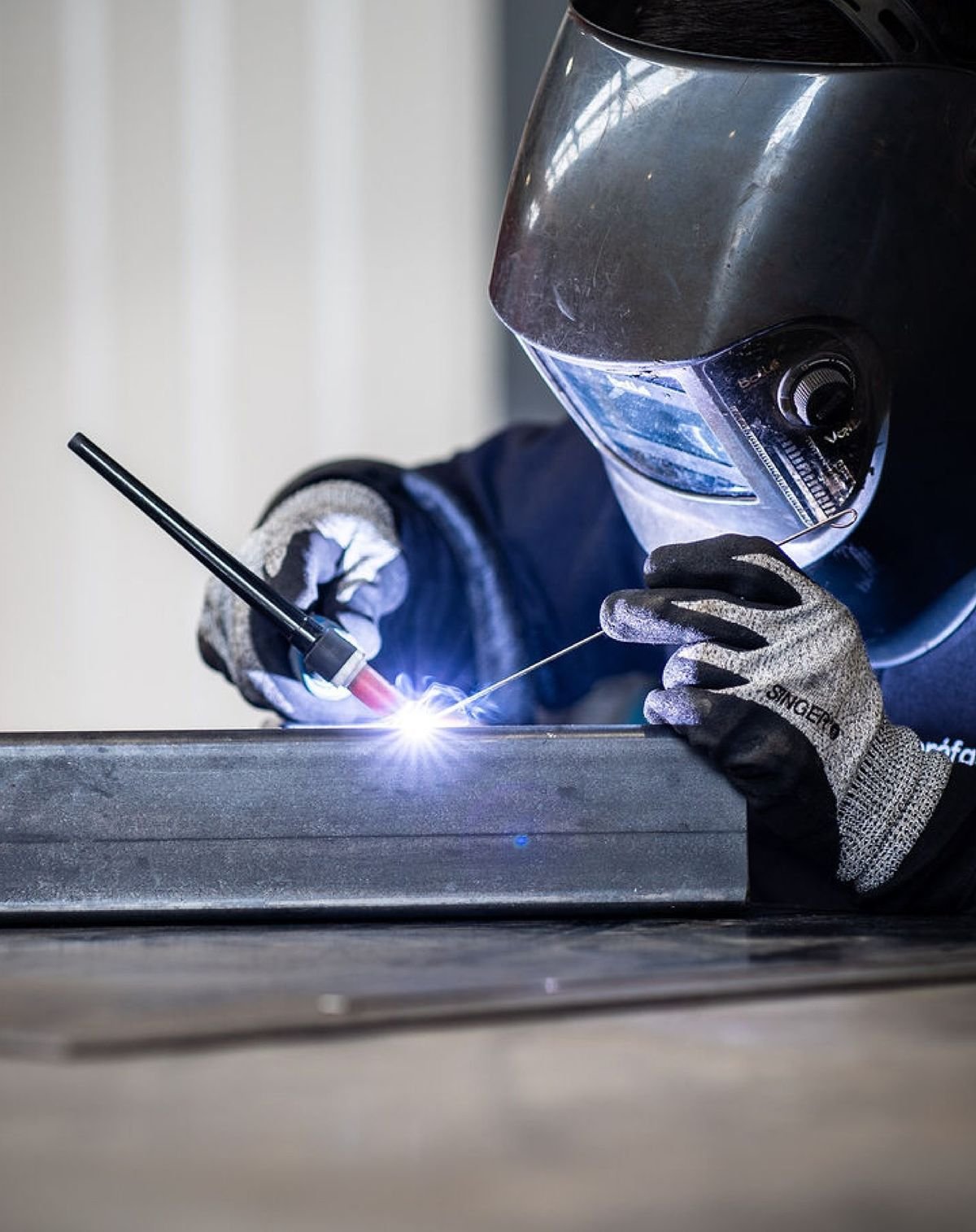
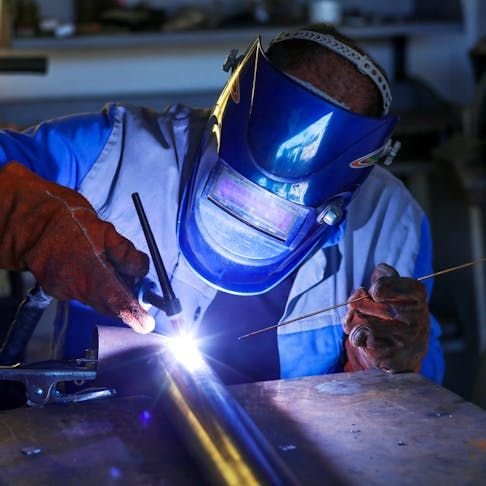
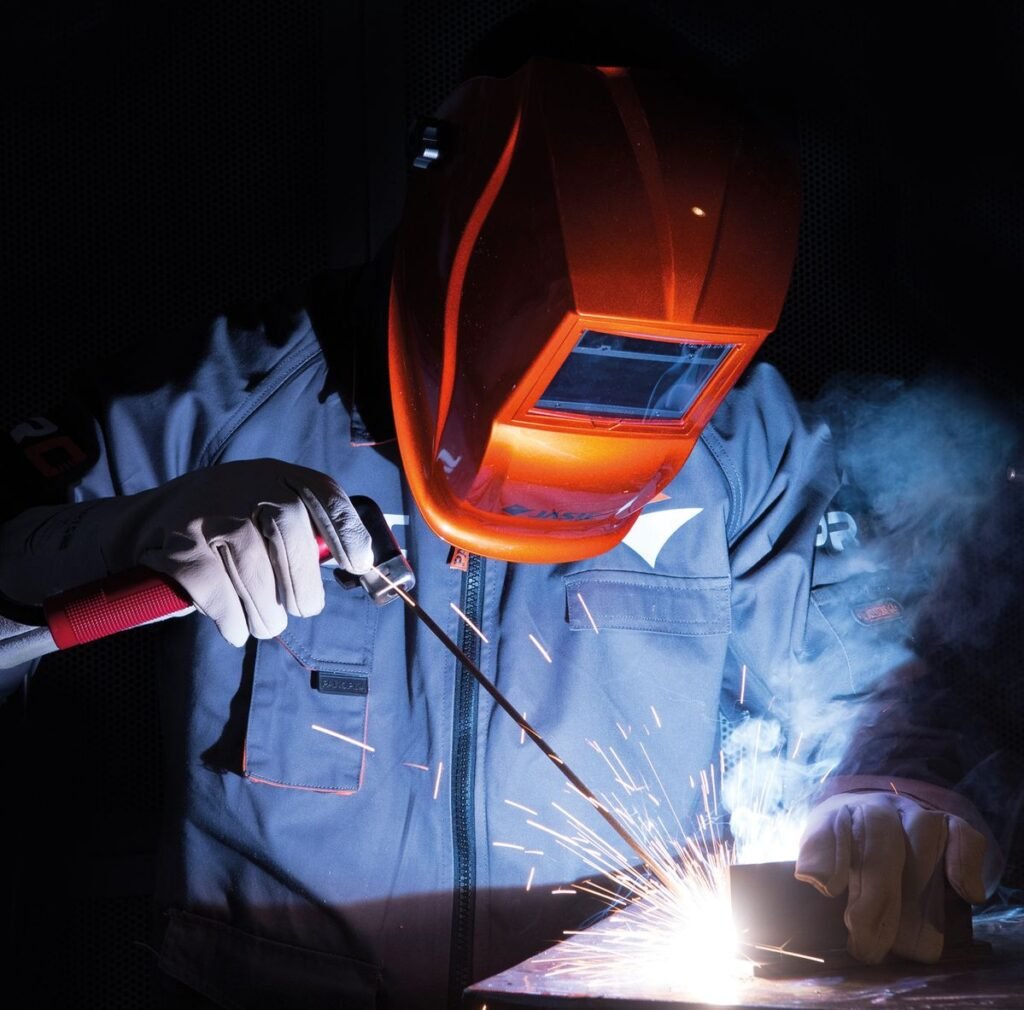
Common types of modern welding include MIG welding, TIG welding, and robotic welding. Each method has its own advantages, depending on the type of project and material used. For example, TIG welding provides high precision and is suitable for detailed work, while MIG welding is faster and more efficient for larger structures.
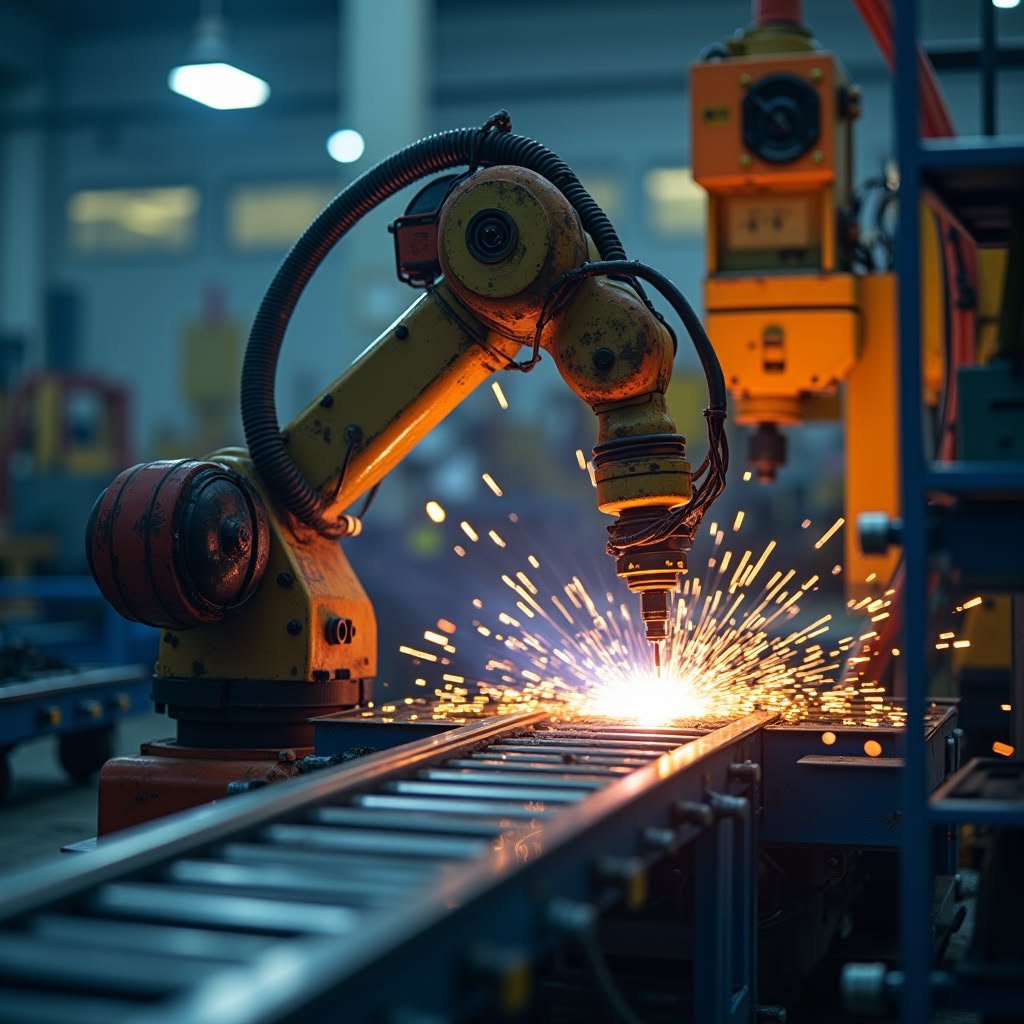
Robotic welding is one of the most advanced developments in this field. It uses automated systems to perform welding tasks with high accuracy and consistency. This reduces the risk of weak joints and ensures uniform quality across the entire structure.
Strong welding is essential for durability and strength. Modern techniques ensure that structures can withstand heavy loads and environmental stress, making them more reliable in the long term.
Automated Fabrication Systems
Automation is playing a major role in transforming the steel fabrication industry. Automated fabrication systems use machines and robotics to perform tasks such as cutting, shaping, and assembling steel components with minimal human involvement.
The main advantage of automation is efficiency. Machines can work continuously without fatigue, which increases production speed and reduces project timelines. This is particularly beneficial in large-scale construction projects where time is a critical factor.
Automation also improves safety. By reducing the need for manual handling, it lowers the risk of workplace accidents. In addition, automated systems ensure consistent quality because they follow programmed instructions without deviation.
Another important benefit is cost control. Although the initial investment in automation may be high, it reduces labor costs and material waste in the long run. This makes it a smart choice for companies looking to improve profitability.
3D Modeling and Design Software
Before any physical fabrication begins, modern projects rely heavily on 3D modeling and design software. These tools allow engineers to create detailed digital models of structures, which helps in planning and visualization.
One of the biggest advantages of 3D modeling is error detection. Engineers can identify potential issues in the design stage, before any material is used. This prevents costly mistakes and reduces delays during construction.
3D modeling also improves communication between teams. Designers, engineers, and fabricators can all work from the same digital model, ensuring that everyone is aligned. This leads to smoother project execution and better results.
In addition, design software supports customization and flexibility. Changes can be made easily in the digital model without affecting the entire project. This allows for better decision-making and more efficient use of resources.
Benefits of Modern Steel Fabrication Techniques
Modern techniques offer several advantages over traditional methods. These benefits directly impact project quality, cost, and efficiency.
First, precision is significantly improved. Advanced machines ensure accurate measurements, which reduces errors and improves structural integrity. Second, production speed increases because automated systems can complete tasks faster than manual labor.
Cost efficiency is another major benefit. By reducing waste and minimizing errors, modern techniques help save money in the long run. In addition, they improve durability and strength, which means structures require less maintenance over time.
Finally, modern fabrication supports customization. It allows businesses to create unique designs that meet specific project requirements. This flexibility is essential in today’s competitive construction industry.
Key Challenges in Implementing Modern Steel Fabrication Techniques
Despite the advantages, there are still challenges in adopting modern fabrication techniques. One of the main issues is the high initial cost of advanced machinery and automation systems. Small businesses may find it difficult to invest in these technologies.
Another challenge is the shortage of skilled workers. Operating modern equipment requires proper training and expertise. Without skilled labor, companies cannot fully utilize the benefits of advanced techniques. In addition, maintenance of machines and systems can be complex and costly. Regular servicing is required to ensure smooth operation and avoid breakdowns. However, these challenges can be managed with proper planning, training, and long-term investment strategies.
Understanding the Role of Modern Steel Fabrication in Construction
Steel fabrication is the process of converting raw steel into finished products that can be used in construction and industrial applications. This process includes cutting, bending, shaping, and assembling steel components into structures such as beams, columns, frames, and supports.
The steel fabrication process involves multiple stages, starting from design and planning to final assembly. In modern systems, this process is supported by advanced tools and software that ensure accuracy at every step. Instead of relying on guesswork, engineers now use precise measurements and digital models to guide fabrication.
One important aspect of modern fabrication is customization. Every project has unique requirements, and fabrication techniques allow manufacturers to create structures that match exact specifications. This flexibility makes steel one of the most preferred materials in the construction industry.
How Modern Steel Fabrication Techniques Improve Construction Efficiency and Project Outcomes
Modern steel fabrication techniques have significantly improved the way construction projects are planned and executed. In traditional methods, a lot of time was spent on manual measurements, adjustments, and corrections. This often led to delays, material waste, and inconsistent results. However, with the introduction of advanced fabrication technologies, the entire process has become more structured, predictable, and efficient.
One of the biggest improvements comes from precision engineering. Techniques like CNC cutting and laser cutting ensure that every steel component is manufactured according to exact specifications. This level of accuracy reduces the chances of errors during installation. When parts fit perfectly on-site, it speeds up the construction process and minimizes the need for rework. In simple terms, modern fabrication works like a well-planned puzzle where every piece fits exactly where it should.
Another important factor is time efficiency. Automated fabrication systems can perform multiple tasks continuously without interruption. Unlike manual labor, machines do not require breaks and can operate with consistent performance. This reduces project timelines and helps contractors meet deadlines more effectively. Faster completion also means reduced labor costs and earlier project delivery, which is a major advantage in competitive markets like Pakistan.
Conclusion
Modern steel fabrication techniques are shaping the future of construction. They offer better accuracy, faster production, and stronger structures compared to traditional methods. While there are challenges in adopting these technologies, the long-term benefits make them a valuable investment.
For businesses in Pakistan, moving towards modern fabrication is not just about improving efficiency. It is about staying competitive, meeting industry standards, and delivering high-quality projects that stand the test of time.
FAQs About Modern Steel Fabrication Techniques
Modern steel fabrication techniques refer to advanced methods such as CNC cutting, laser cutting, automated welding, and 3D modeling used to improve accuracy, speed, and efficiency in steel production.
They reduce errors, save time, improve quality, and lower long-term costs, making them essential for modern construction and industrial projects.
Laser cutting is considered one of the best techniques for precision cutting due to its ability to produce clean and accurate edges.
Automation requires a high initial investment, but it reduces labor costs and increases efficiency over time, making it cost-effective in the long run.
3D modeling helps in planning, error detection, and visualization before the fabrication process begins, which improves efficiency and reduces mistakes.