
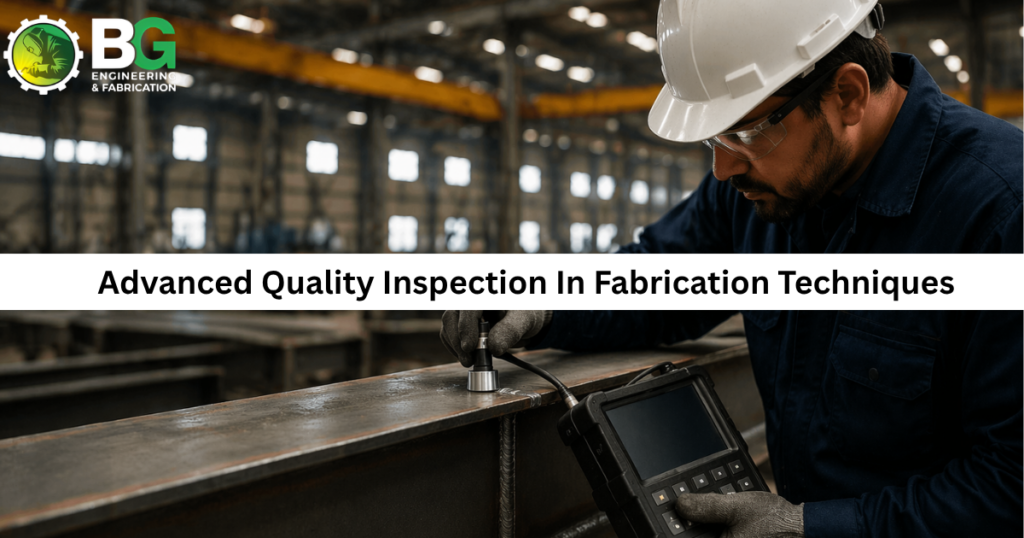
Advanced Quality Inspection In Fabrication Techniques
What is quality inspection in fabrication?
Quality inspection in fabrication is the process of checking materials, welding, dimensions, and finishing to ensure the final product meets required standards and specifications.
Why is quality inspection important in fabrication?
It ensures structural strength, safety, and durability. Proper inspection helps avoid costly mistakes, project delays, and future failures.
What are the main types of inspection in fabrication?
Common types include visual inspection, dimensional inspection, welding inspection, and non-destructive testing (NDT) like ultrasonic or radiographic testing.
When is quality inspection done in fabrication?
Inspection is done at different stages: before fabrication (material check), during fabrication (process check), and after completion (final inspection).
Inspection is done at different stages: before fabrication (material check), during fabrication (process check), and after completion (final inspection).
Tools include measuring tapes, calipers, gauges, welding inspection tools, and advanced NDT equipment like ultrasonic and X-ray machines.
What is welding inspection in fabrication?
Welding inspection checks the quality of welds to ensure they are strong, crack-free, and meet industry standards.
What is non-destructive testing (NDT)?
NDT is a method to test materials and welds without damaging them. It helps detect internal defects like cracks or voids.
How does quality inspection reduce fabrication costs?
It identifies errors early, reducing rework, material waste, and delays, which ultimately saves money.
Who performs quality inspection in fabrication projects?
Qualified inspectors, quality engineers, or third-party inspection agencies usually perform these checks.
What standards are followed in fabrication inspection?
Common standards include ISO, ASTM, and AWS welding standards, depending on project requirements.
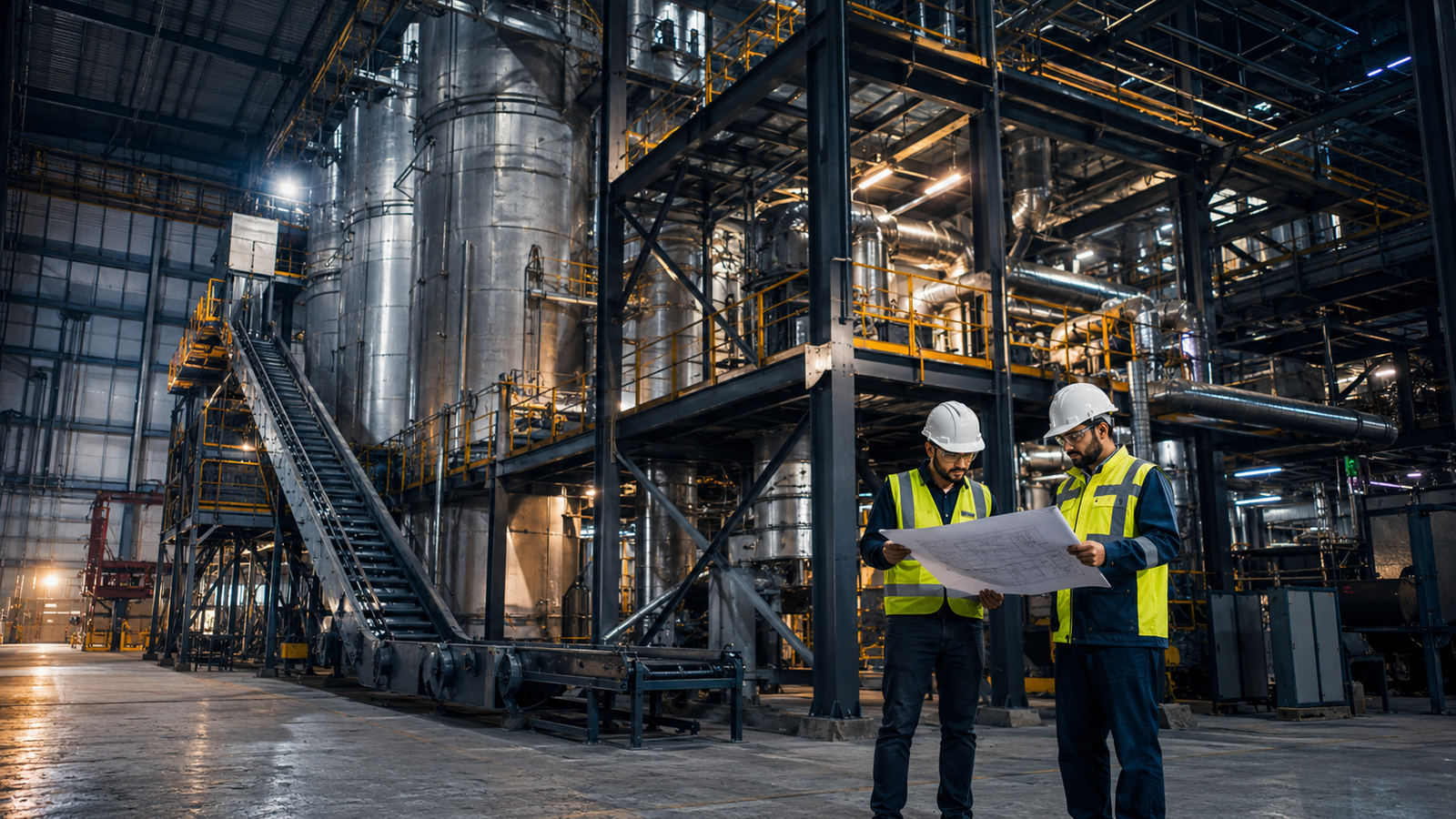
If you want a more detailed understanding of fabrication budgets, material choices, and welding requirements, you can explore our related guides below: Industrial Steel Fabrication Solutions Complete Guide for Modern Industry