
Pakistan’s construction and manufacturing sectors are expanding at a pace that has put steel at the center of nearly every major project from factory sheds in Faisalabad to high-rise commercial towers in Karachi. As industrial parks, warehouses, and infrastructure projects multiply across the country, the demand for a reliable steel fabrication company in Pakistan has grown just as quickly. Choosing the right fabricator is no longer a minor procurement decision; it directly affects structural safety, project timelines, and long-term operating costs.
Steel fabrication, in simple terms, is the process of cutting, bending, welding, and assembling raw steel into structures or components used in construction, manufacturing, and industrial applications. It transforms basic steel stock into beams, columns, trusses, tanks, and custom equipment that meet specific engineering requirements. For business owners and project managers, understanding this process and knowing what separates a competent fabricator from an exceptional one is the first step toward a successful build.
This guide breaks down everything you need to know: the types of fabrication services available in Pakistan, the industries that rely on them, how pricing works, and the criteria that matter most when selecting a fabrication partner.
In a hurry? Jump to how to choose a fabricator, cost factors, or the FAQ section for quick answers.
Steel Fabrication vs. Steel Construction: What’s the Difference?
These two terms are often used interchangeably, but they describe different stages of the same project. Steel fabrication happens in a controlled workshop environment cutting, welding, and assembling components to precise engineering specifications. Steel construction (or erection) is the on-site process of transporting and installing those fabricated components to form the final structure.
Understanding this distinction matters for procurement: a company that only fabricates may require you to hire a separate erection contractor, while an end-to-end provider handles both stages under one contract reducing coordination risk and accountability gaps between teams.
What Is Steel Fabrication and Why Is It Important?
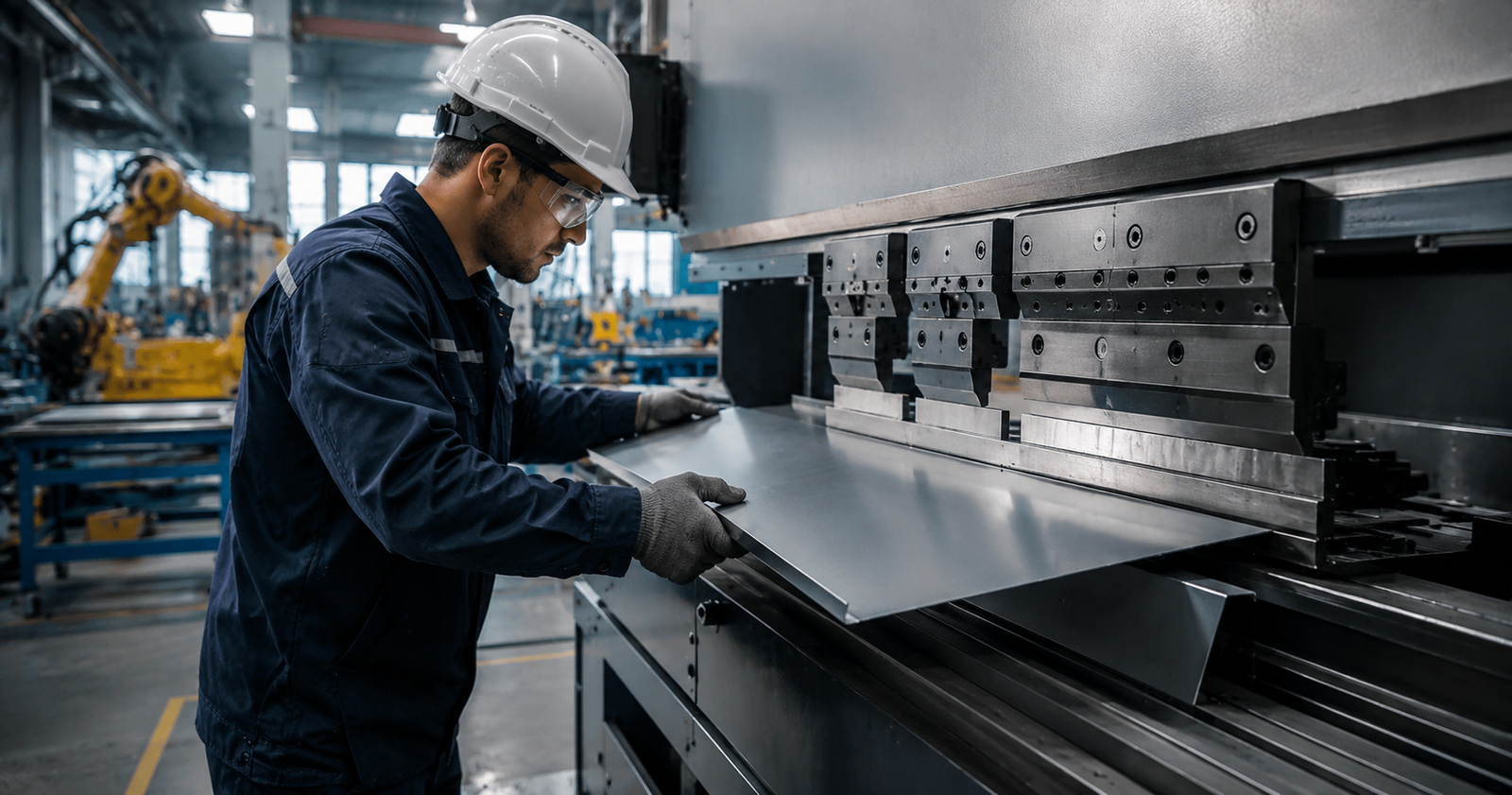
Steel fabrication is the engineering and manufacturing process of turning raw or semi-finished steel into finished structural components. It typically involves cutting steel to precise dimensions, shaping or bending it, welding individual pieces together, and finishing the assembly with treatments like galvanizing or painting for corrosion resistance.
This process matters because steel is the backbone of modern construction and industrial manufacturing. Unlike other building materials, fabricated steel offers a combination of strength, flexibility, and speed of installation that few alternatives can match. Factories, warehouses, bridges, commercial buildings, and even agricultural equipment all depend on components that have been engineered and fabricated to exact specifications.
Common fabrication processes include:
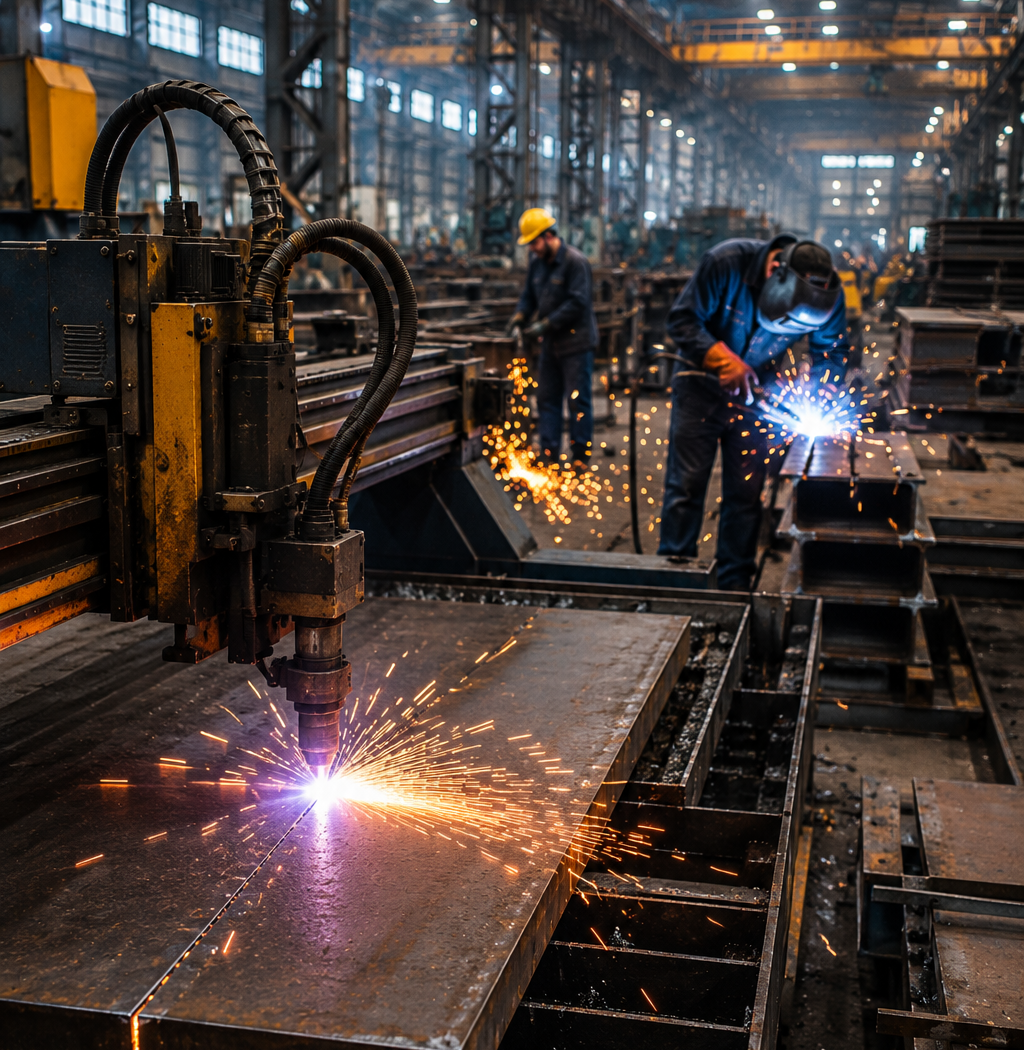
- Cutting: using plasma, laser, or shearing methods to size steel accurately
- Bending and rolling: shaping steel into curves, angles, or specific profiles
- Welding: joining components using MIG, TIG, or arc welding techniques
- Assembly: combining fabricated parts into a complete structure or unit
- Finishing: applying coatings such as galvanization or anti-corrosion paint
Without professional fabrication, structures risk misalignment, weak joints, and long-term durability issues which is why selecting an experienced provider is critical.
Common Steel Grades Used in Fabrication
The steel grade chosen affects strength, weight, corrosion resistance, and cost. Fabricators in Pakistan commonly work with:
| Steel Type | Typical Use Case | Key Property |
| Mild Steel (MS) | General structural framing, sheds, gates | Cost-effective, easy to weld |
| Structural Steel (Grade 50/60) | Beams, columns, load-bearing frames | High tensile strength |
| Galvanized Steel | Outdoor structures, warehouses | Corrosion resistance |
| Stainless Steel | Food processing, chemical plants | Hygiene, chemical resistance |
| Hollow Section / Tube Steel | Railings, canopies, light frames | Lightweight, clean finish |
A qualified fabricator will recommend the right grade based on load calculations, environmental exposure, and budget rather than defaulting to the cheapest option, which can compromise long-term performance.
Types of Steel Fabrication Services in Pakistan
Structural Steel Fabrication
Involves producing beams, columns, trusses, and frameworks that support buildings, bridges, and industrial facilities. These load-bearing components are manufactured to meet engineering specifications, safety standards, and local building regulations.
Industrial Steel Fabrication
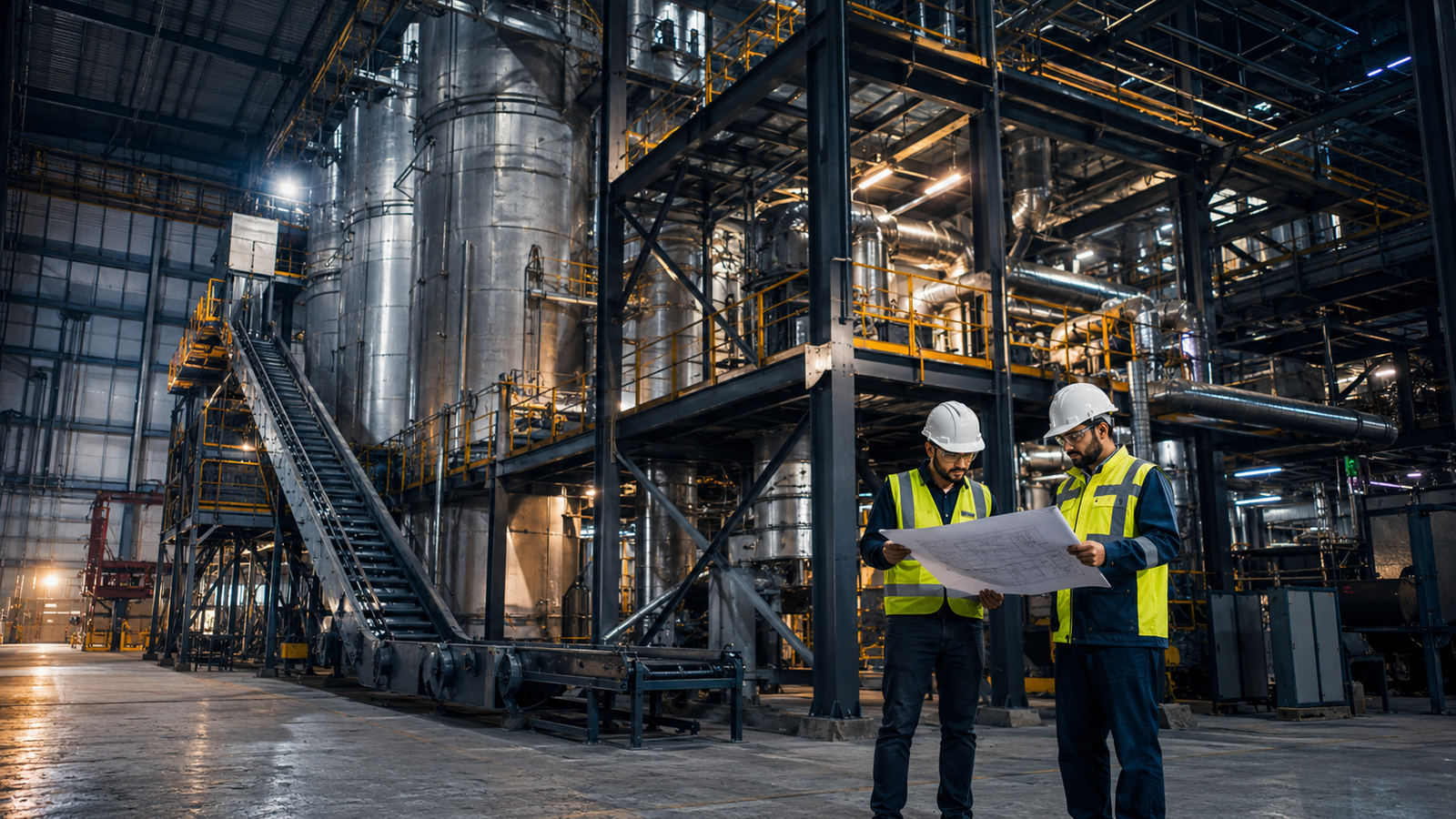
Focuses on creating equipment and structural components for factories, processing plants, and heavy industries. Common products include storage tanks, conveyor systems, platforms, pressure vessels, and machine frames. Since these environments often involve high temperatures, chemicals, and heavy machinery, industrial fabrication requires durable materials, precision engineering, and rigorous quality control to ensure long-term performance and operational safety.
Commercial Steel Fabrication
Commercial steel fabrication supports offices, hospitals, retail centers, and other developments by producing staircases, railings, canopies, mezzanines, and durable architectural steel features. Custom Steel Fabrication
Custom steel fabrication serves unique projects requiring non-standard components like brackets, machinery parts, gates, or architectural features. Each project starts with a design brief and relies on skilled engineering and precision manufacturing for tailored results.

Commercial Steel Fabrication
Commercial steel fabrication serves retail centers, office buildings, hospitals, and other commercial developments. Typical applications include staircases, railings, canopies, mezzanine floors, and decorative or functional steel features that combine structural performance with architectural appeal.
Custom Steel Fabrication
Custom steel fabrication addresses unique project requirements that don’t fit standard specifications specialized brackets, one-off machinery components, custom gates, or bespoke architectural elements. This service category relies heavily on in-house engineering expertise, since each project starts from a design brief rather than a standard template.
Industries That Depend on Steel Fabrication Services
Steel fabrication touches nearly every corner of Pakistan’s economy. Key sectors include:
- Manufacturing Industry: factories across industrial zones in Karachi and Faisalabad rely on fabricated frames, platforms, and machine housings for daily operations.
- Warehousing Sector: the growth of logistics and e-commerce has driven demand for pre-engineered steel warehouses that can be built quickly and cost-effectively.
- Commercial Construction: shopping malls, office towers, and mixed-use developments in Lahore and Islamabad increasingly use structural steel for faster construction timelines.
- Energy and Utilities: power plants, substations, and pipeline projects require fabricated steel structures that can withstand demanding operating conditions.
- Infrastructure Development: bridges, flyovers, and transport terminals across the country depend on precision-engineered structural steel components.
From the textile hubs of Faisalabad to the ports and industrial estates of Karachi, and from government infrastructure projects in Islamabad to the commercial expansion of Lahore, steel fabrication underpins much of Pakistan’s physical growth.
What Sets an Experienced Steel Fabricator Apart
Experience shows up in details that are easy to overlook on paper but obvious on a job site. A seasoned fabrication team typically demonstrates:
- Documented welding procedures: (WPS) and welders qualified to recognized standards such as AWS or ASME, rather than informal on-the-job training alone.
- In-house engineering review: of client-supplied drawings, catching load or clearance issues before fabrication starts rather than after.
- Traceable material sourcing: with mill test certificates available for structural-grade steel on request.
- A track record across multiple sectors: for example, having fabricated both a warehouse structure and a pressure vessel demonstrates broader technical range than a single-project portfolio.
- Transparent handling of design changes: including how variations and additional costs are communicated mid-project.
When choosing a steel fabrication company, ask for evidence of their expertise through completed project photos, client references, certifications, or a guided workshop visit. Reviewing real-world projects and manufacturing processes helps you assess workmanship, quality control, and production capabilities.
This practical evaluation offers a more reliable basis for decision-making than relying solely on advertising, sales presentations, or marketing claims.
How to Choose the Best Steel Fabrication Company in Pakistan
Selecting the right fabricator is one of the most consequential decisions in any construction or industrial project. Consider these factors:
- Industry Experience: Look for a company with a proven track record across projects similar in scale and complexity to yours. Longevity in the market often reflects consistent quality and client satisfaction.
- Engineering Expertise: A strong fabricator should have in-house structural and mechanical engineers capable of reviewing designs, suggesting improvements, and ensuring compliance with relevant codes.
- Manufacturing Capabilities: Assess the company’s equipment, workshop capacity, and ability to handle the volume and complexity of your project without delays.
- Quality Assurance Standards: Ask about welding certifications, material testing procedures, and adherence to recognized engineering standards.Project Delivery Performance: Timely delivery matters. Request references or examples of past projects completed on schedule.Client Reviews and Case Studies: Genuine feedback from previous clients offers insight into reliability, communication, and after-sales support.
For procurement teams and project managers, it’s worth requesting a site visit to the fabricator’s workshop before signing a contract. Seeing equipment, workforce discipline, and ongoing projects firsthand often reveals more than a proposal document ever could.
What to Prepare Before Requesting a Quote
To get an accurate, comparable quotation from any fabricator, have the following ready:
Structural or architectural drawings (even preliminary ones)
Approximate project timeline and target completion date
Site location and access conditions
Any specific steel grade, coating, or code requirements
Whether installation/erection is needed alongside fabrication
Sharing this upfront typically cuts quotation turnaround time significantly and results in a more accurate estimate than a verbal description alone.
Benefits of Working with Professional Steel Fabricators
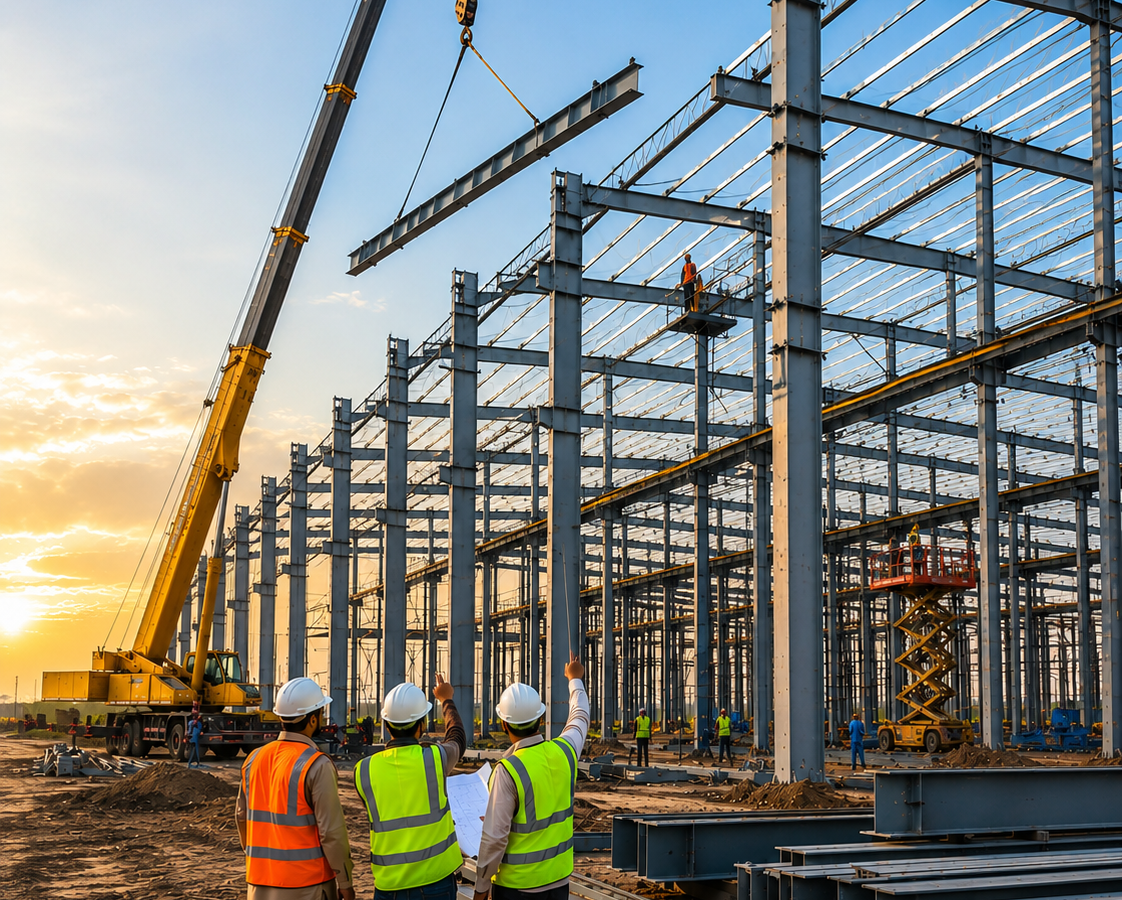
Partnering with an established, professional fabricator delivers advantages that extend well beyond the initial build:
- Structural Integrity: Precision fabrication ensures components fit and perform as designed, reducing the risk of failure.
- Safety: Properly fabricated and installed steel reduces on-site hazards during both construction and long-term use.
- Durability: Correct material selection and finishing techniques extend the service life of structures, even in harsh environments.
- Compliance: Reputable fabricators design and build according to relevant engineering and safety standards.
- Cost Efficiency: Getting fabrication right the first time avoids expensive rework, delays, and material waste.
- Project Reliability: Experienced teams manage timelines and logistics more predictably, keeping broader project schedules on track.
Understanding the Steel Fabrication Process
A professional steel fabrication project generally follows six stages:
- Consultation: The fabricator reviews project requirements, site conditions, and client goals to scope the work accurately.
- Engineering Design: Structural drawings and calculations are prepared, often using CAD software, to define exact specifications.
- Material Selection: Appropriate steel grades and thicknesses are chosen based on load requirements, environment, and budget.
- Fabrication: Steel is cut, shaped, welded, and assembled in the workshop according to approved designs.
- Quality Inspection: Welds, dimensions, and finishes are checked against engineering and safety standards before dispatch.
- Installation: Fabricated components are transported to site and erected by trained installation teams.
Following this sequence closely reduces errors, keeps projects on budget, and ensures the final structure performs as intended.
Steel Fabrication Costs in Pakistan: What Affects Pricing?
Steel fabrication costs in Pakistan vary widely depending on several factors, and reputable companies typically provide detailed quotations after reviewing project specifications rather than fixed, one-size-fits-all pricing. Key cost drivers include:
- Project Size: Larger structures require more material, labor, and machine time, directly affecting overall cost.
- Steel Grades: Higher-grade or specialized steel alloys cost more than standard structural steel.
- Design Complexity: Intricate designs with multiple joints, curves, or custom components require additional engineering and fabrication time.
- Fabrication Methods: Advanced techniques like laser cutting or CNC machining can affect pricing compared to conventional methods.
- Installation Requirements: Site accessibility, height, and equipment needed for erection influence labor costs.
- Transportation Costs: Distance between the fabrication workshop and the project site affects logistics expenses, particularly for oversized components.
Because so many variables are involved, it’s best to request a formal quotation based on your project’s engineering drawings rather than relying on generic price estimates.
Indicative Cost Ranges by Project Type
The ranges below are illustrative only, meant to help with rough budget planning actual costs depend heavily on the factors above and should always be confirmed with a formal quotation.
| Project Type | Relative Cost Level | Primary Cost Drivers |
| Small structure (gate, railing, canopy) | Lower | Design simplicity, minimal material volume |
| Mid-size structure (mezzanine, small shed) | Moderate | Steel grade, welding complexity |
| Warehouse / pre-engineered building | Moderate to High | Span size, roofing system, site access |
| Industrial plant structure (tanks, platforms) | High | Specialized steel grades, safety compliance, precision engineering |
Treat this table as a starting point for budget conversations, not a substitute for a project-specific quote.
Why Pakistan’s Industrial Sector Is Driving Demand for Steel Fabrication
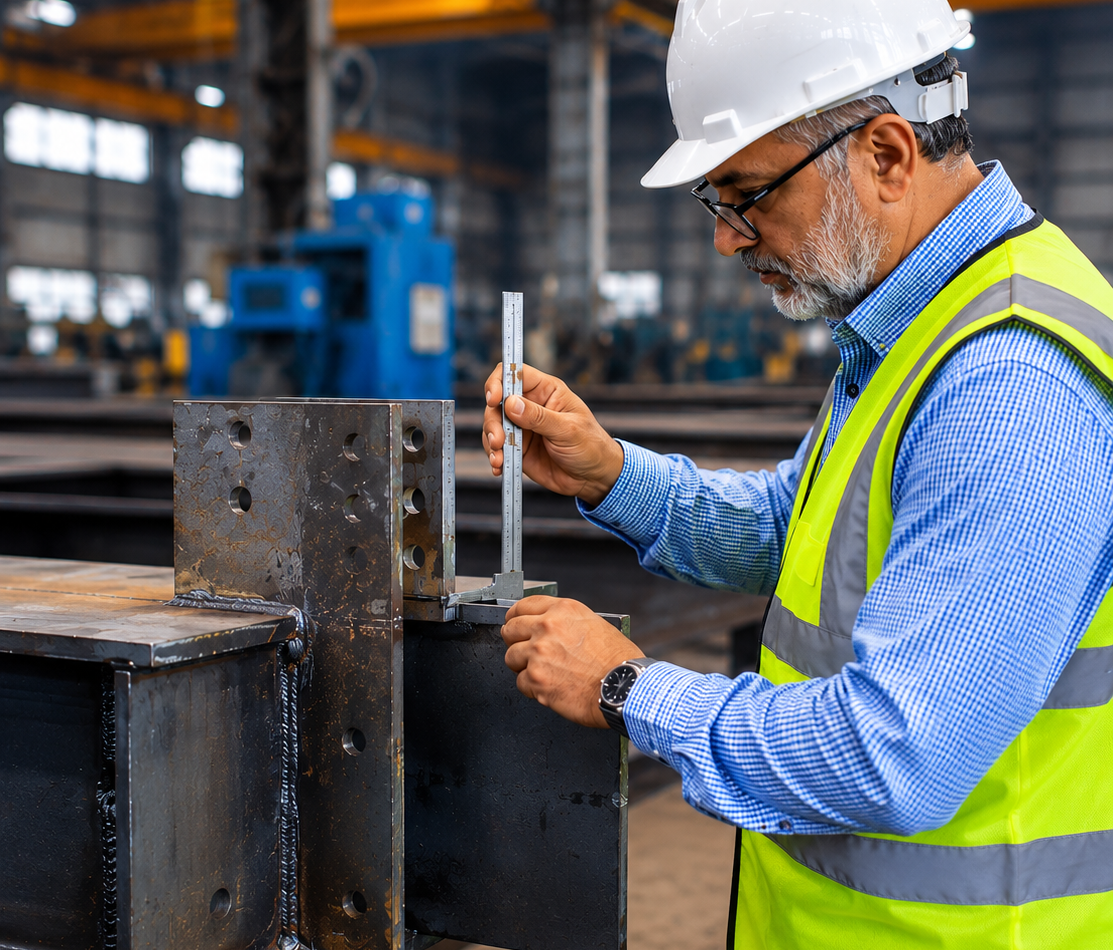
Several converging trends are pushing steel fabrication demand higher across the country:
- Manufacturing Growth: Expanding textile, food processing, and consumer goods industries require new production facilities built with structural and industrial steel.
- Industrial Expansion: Special economic zones and industrial estates are attracting new investment, generating steady demand for fabricated steel structures.
- Commercial Construction Trends: Developers increasingly favor steel-frame construction for its speed and design flexibility in urban centers.
- Warehousing Demand: The rise of logistics, retail distribution, and cold storage facilities has accelerated demand for pre-engineered steel buildings.
- Infrastructure Development: Ongoing transport and energy infrastructure projects continue to rely heavily on structural steel components.
Together, these trends suggest that demand for skilled, reliable steel fabrication services will keep growing across Pakistan’s major industrial.
Steel Fabrication Company vs. General Contractor: Who Should You Hire?
This is a common point of confusion for first-time buyers. A steel fabrication company specializes in designing, manufacturing, and often installing steel structures and components bringing deep technical expertise in materials, welding, and structural engineering. A general contractor, by contrast, manages the entire construction project end-to-end, coordinating multiple trades (electrical, plumbing, civil work, steel, and finishing) but typically subcontracting the steel work itself.
| Factor | Steel Fabrication Company | General Contractor |
| Core expertise | Steel design, welding, structural engineering | Overall project management |
| Best suited for | Steel-specific structures (warehouses, industrial frames) | Full builds involving multiple trades |
| Direct accountability for steel quality | Yes | Indirect (via subcontractor) |
| Typical engagement | Direct contract or as a specialist subcontractor | Prime contract for the whole project |
For projects that are primarily steel-based such as a warehouse, industrial shed, or structural expansion, hiring a fabrication company directly often gives better cost control and technical accountability than routing the work through a general contractor’s subcontracting chain.
Final Thoughts
Steel fabrication plays a foundational role in Pakistan’s ongoing industrial and commercial growth. Whether the project involves a new manufacturing facility, a commercial building, or infrastructure development, the quality of fabrication directly influences safety, durability, and long-term value. Partnering with an experienced, technically capable steel fabrication company reduces risk and ensures structures perform reliably for years to come.
For business owners, engineers, and project managers evaluating fabrication partners, taking time to assess experience, engineering capability, and quality standards pays off well beyond the initial build. Cutting corners at the fabrication stage is one of the costliest mistakes a project can make rework, delays, and structural risk almost always cost more than the upfront savings of choosing the cheapest bid.
If you’re planning a project, the smartest next step is a consultation with a qualified fabricator who can review your drawings, flag potential issues early, and provide an accurate, engineering-based proposal before any steel is cut. A short conversation at the planning stage is far cheaper than a correction after fabrication has begun.
Frequently Asked Questions
What does a steel fabrication company do?
A steel fabrication company designs, cuts, welds, and assembles raw steel into structural or industrial components used in construction, manufacturing, and infrastructure projects.
What is structural steel fabrication?
Structural steel fabrication is the process of manufacturing beams, columns, and frameworks that form the load-bearing structure of buildings, bridges, and industrial facilities.
How much does steel fabrication cost in Pakistan?
Costs depend on project size, steel grade, design complexity, and installation requirements. A detailed quotation based on engineering drawings gives the most accurate estimate.
Which industries use steel fabrication services?
Manufacturing, warehousing, commercial construction, energy and utilities, and infrastructure development are among the primary industries relying on steel fabrication.
How long does a steel fabrication project take?
Timelines vary based on scope and complexity, but most projects move through consultation, design, fabrication, inspection, and installation in stages that can range from a few weeks to several months.
How do I choose the best steel fabrication company in Pakistan?
Evaluate experience, engineering expertise, workshop capabilities, quality assurance practices, delivery track record, and client references before making a decision.