
Industrial Steel Fabrication Guide Processes Uses
Industrial Steel Fabrication Guide: Processes, Uses, and Benefits
Industrial steel fabrication is one of the most important processes in modern construction, engineering, and manufacturing. From bridges and buildings to machinery and pipelines, fabricated steel forms the backbone of many industries. Without steel fabrication, it would be difficult to build strong infrastructure or produce durable industrial equipment.
This industrial steel fabrication guide explains how steel fabrication works, the key processes involved, its applications, advantages, and how to choose the right steel fabrication company. Understanding these fundamentals can help businesses and engineers make better decisions when planning industrial projects.
What is Industrial Steel Fabrication?
Industrial steel fabrication is the process of transforming raw steel into finished structures or components through cutting, bending, welding, machining, and assembling.
Fabrication companies typically work with materials such as:
- Steel sheets
- Steel plate
- Structural beams
- Steel pipes and tubes
- Metal bars and rods
These materials are shaped into usable components like frames, brackets, tanks, pipelines, and machinery parts.
Think of steel fabrication like assembling a complex puzzle. Raw steel pieces are carefully cut, shaped, and joined together until they become strong industrial structures capable of handling heavy loads and harsh environments.
Because of its durability and flexibility, steel fabrication is widely used in construction, manufacturing, automotive, energy, and infrastructure projects.
Why Industrial Steel Fabrication is Important
Steel is one of the strongest and most reliable materials used in modern engineering. Fabricating steel allows industries to build structures that can withstand pressure, weight, and extreme weather conditions.
Key reasons why steel fabrication is essential include:
- High structural strength
- Long-lasting durability
- Ability to create custom designs
- Excellent load-bearing capacity
- Resistance to harsh environments
For industries such as construction and manufacturing, fabricated steel provides the foundation for safe and efficient operations.
Key Processes in Industrial Steel Fabrication
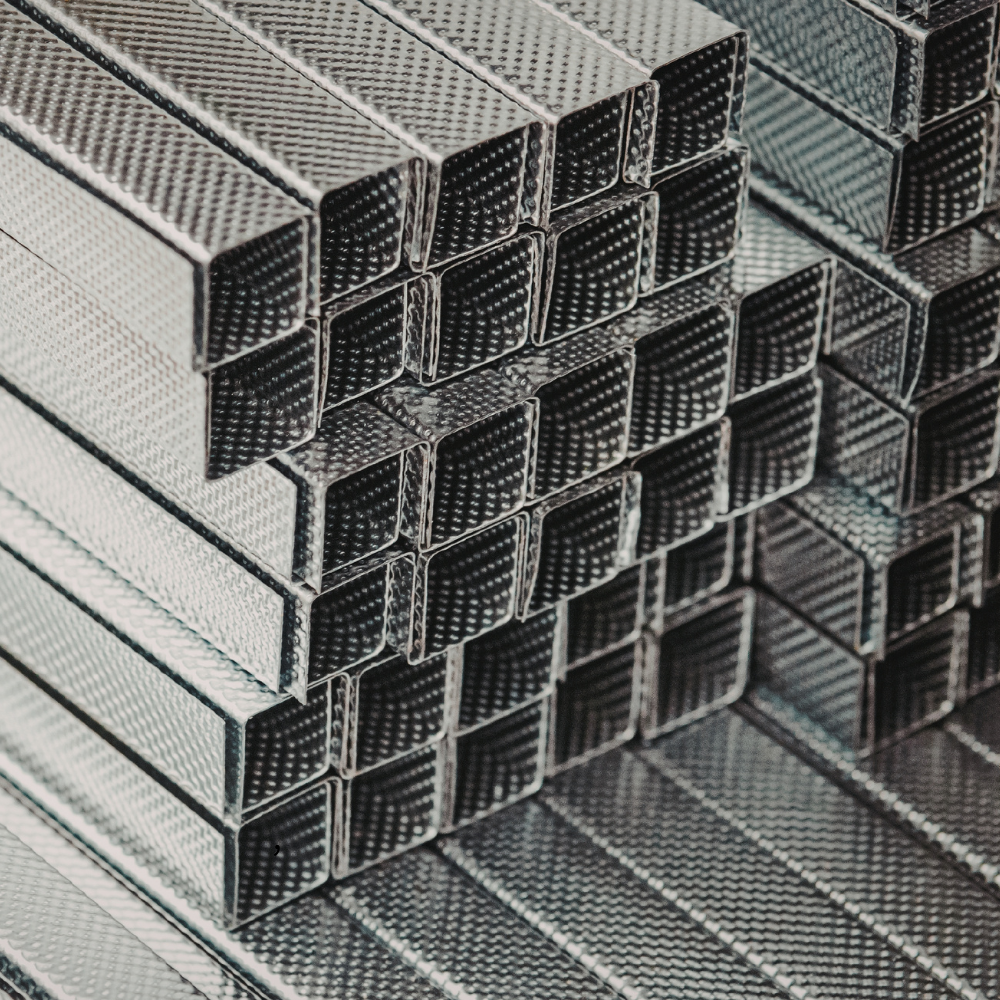
Industrial steel fabrication involves several technical processes. Each stage plays a critical role in transforming raw steel into functional industrial components.
1. Steel Cutting
Cutting is the first step in most fabrication projects. Raw steel materials are cut into specific sizes and shapes before further processing.
Common steel cutting methods include:
Laser Cutting
Laser cutting uses a high-powered laser beam to cut steel with extreme precision. It is ideal for detailed designs and thin metal sheets.
Plasma Cutting
Plasma cutting uses electrically charged gas to cut through thick steel quickly. It is widely used in industrial workshops and fabrication plants.
Oxy-Fuel Cutting
This process uses a mixture of oxygen and fuel gas to melt steel. It is commonly used for cutting thick steel plates in heavy industries.
Shearing
Shearing is a mechanical cutting process where large blades cut straight lines through steel sheets. Each method is chosen depending on the material thickness, precision requirements, and production speed.
2. Steel Bending and Forming
After cutting, steel often needs to be bent or shaped into specific angles or curves. Steel bending helps create components such as brackets, frames, and structural supports.
Common bending techniques include:
Press Brake Bending
A press brake machine applies force to bend steel sheets into specific angles.
Roll Bending
Steel is passed through rollers to create curved shapes, often used for cylindrical structures like tanks or pipes.
Pipe Bending
Steel pipes are bent into precise angles for industrial piping systems. Proper bending ensures structural stability and design accuracy.
3. Welding and Assembly
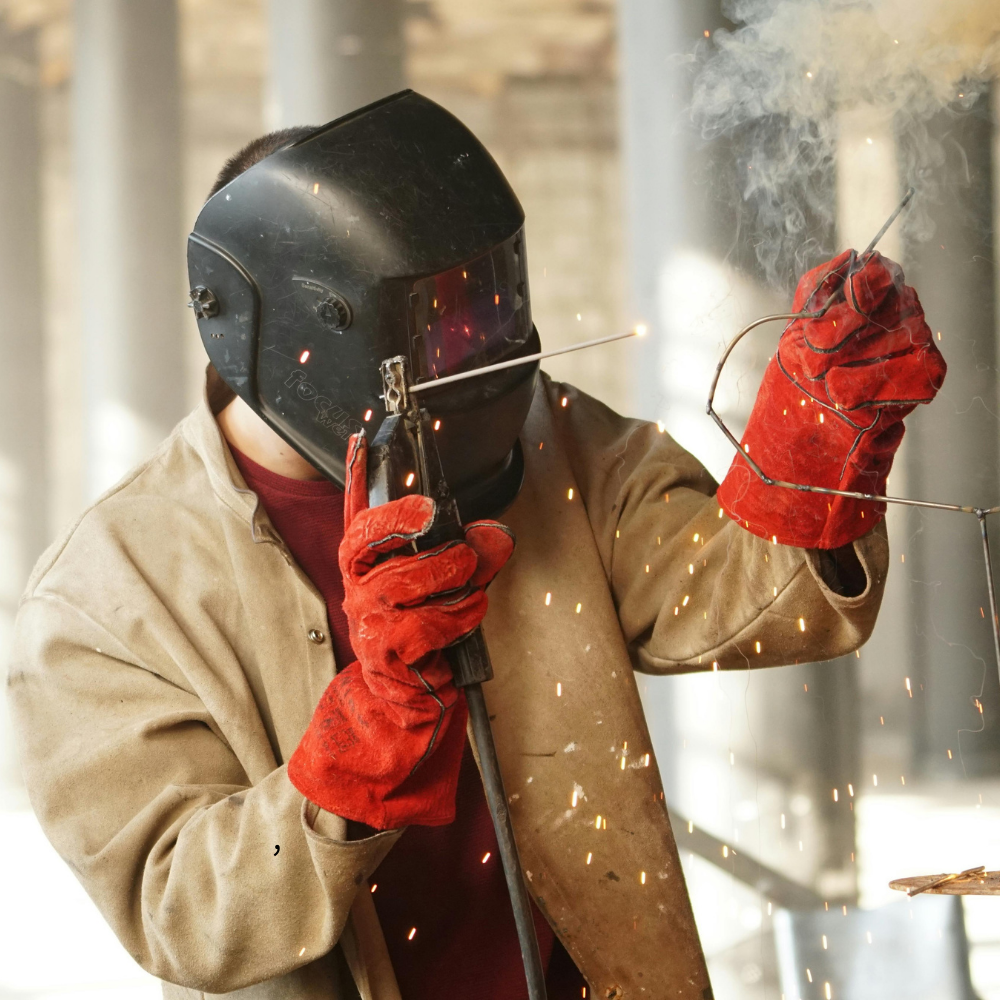
Welding is the process of joining two or more steel components together. It is one of the most critical stages in steel fabrication. Different welding techniques are used depending on the project requirements.
MIG Welding (Metal Inert Gas)
This method uses a continuous wire feed to create strong weld joints. It is commonly used in fabrication workshops.
TIG Welding (Tungsten Inert Gas)
TIG welding provides precise and clean welds, making it ideal for thin steel components.
Stick Welding
Stick welding is commonly used for heavy-duty steel structures.
Submerged Arc Welding
This technique is used in large-scale industrial fabrication where strong and consistent welds are required.
High-quality welding ensures that steel structures remain strong, safe, and durable.
4. Machining
Machining is used to achieve precise dimensions and finishing for steel parts. During machining, excess material is removed using specialized tools and machines.
Common machining processes include:
- Milling – shaping steel surfaces or creating grooves
- Turning – rotating steel on a lathe machine for precise shaping
- Drilling – creating holes for bolts and fasteners
Machining ensures that fabricated components meet exact engineering specifications.
5. Surface Finishing
Once the steel fabrication process is complete, finishing treatments are applied to improve durability and appearance.
Common finishing methods include:
Galvanizing
Galvanizing coats steel with zinc to protect it from corrosion. This is especially useful for outdoor structures.
Powder Coating
Powder coating creates a smooth and protective finish that improves the visual appeal and durability of steel products.
Grinding and Polishing
These processes smooth rough edges and remove welding marks, resulting in a clean and professional finish. Finishing is essential to protect fabricated steel from rust, wear, and environmental damage.
Major Applications of Industrial Steel Fabrication
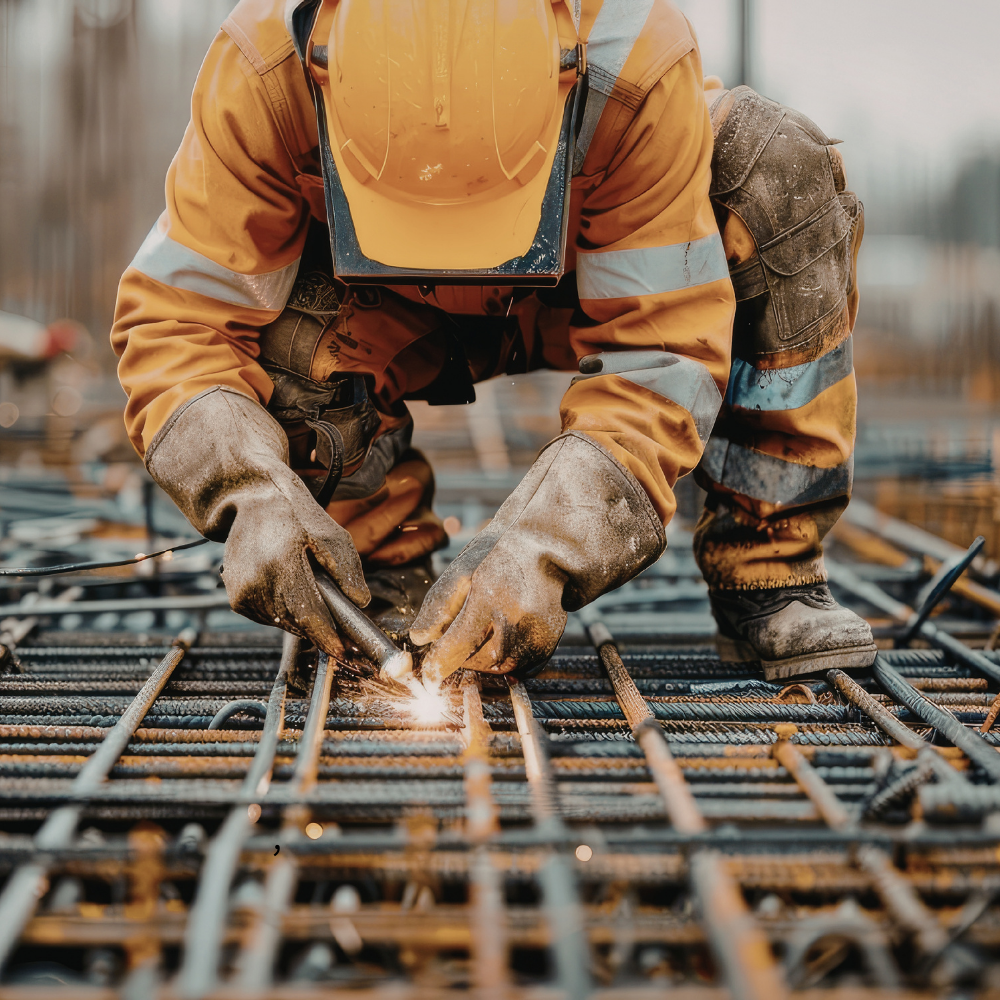
Industrial steel fabrication supports many industries around the world.
Construction and Infrastructure
Steel fabrication is widely used in construction projects such as:
- Building frames
- Bridges
- Industrial warehouses
- Structural columns and beams
Steel structures provide strength, safety, and long-term reliability.
Industrial Machinery Manufacturing
Fabricated steel is used to produce machinery and equipment such as:
- Industrial conveyors
- Cranes and lifting equipment
- Machine frames
- Processing equipment
Steel components ensure machinery can handle heavy industrial workloads.
Oil and Gas Industry
The oil and gas sector relies heavily on steel fabrication.
Fabricated steel structures are used for:
- Oil pipelines
- Drilling rigs
- Storage tanks
- Offshore platforms
Steel’s strength and corrosion resistance make it suitable for extreme environments.
Automotive and Transportation
Steel fabrication plays a major role in the automotive industry.
Fabricated steel components are used for:
- Vehicle chassis
- Engine components
- Truck frames
- Transportation infrastructure
These components provide strength, safety, and durability.
Energy and Power Generation
Energy infrastructure also relies on fabricated steel components.
Examples include:
- Wind turbine towers
- Power plant equipment
- Transmission structures
- Industrial boilers
Steel fabrication helps support reliable energy production.
Advantages of Industrial Steel Fabrication
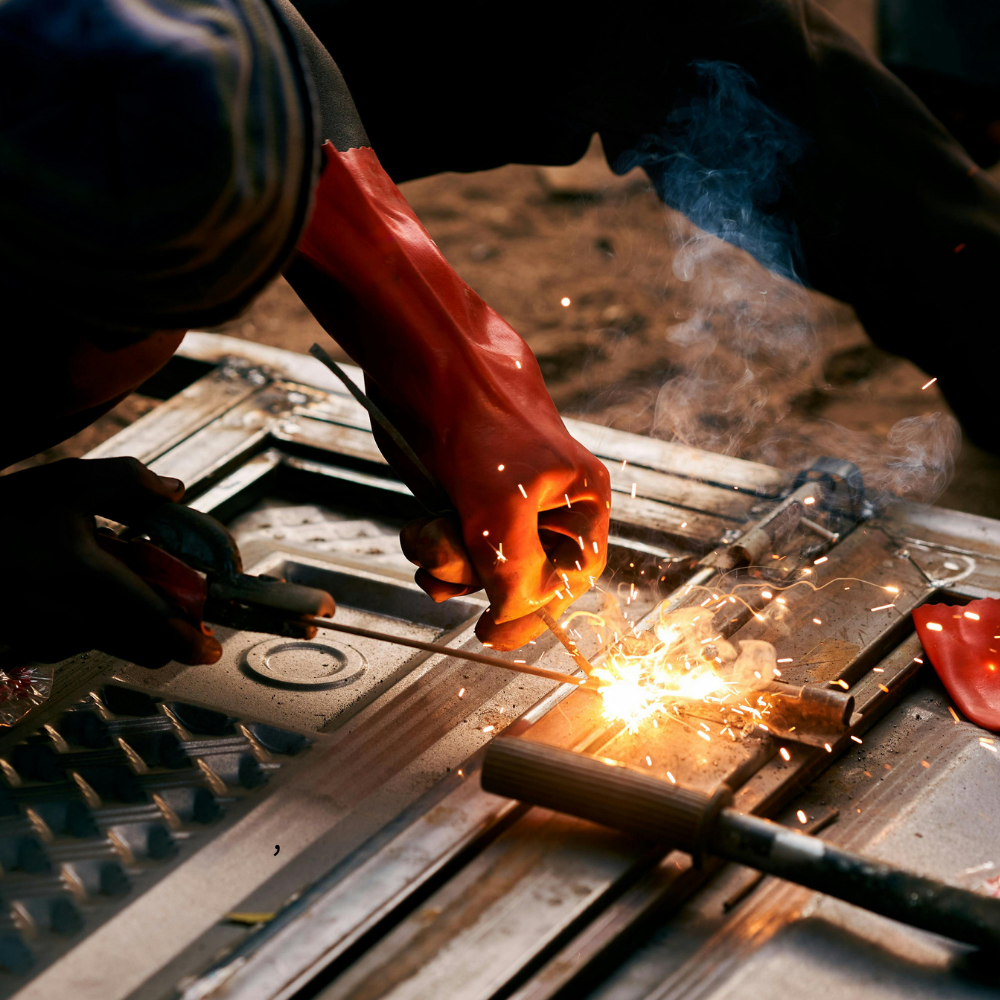
Steel fabrication offers several advantages for industrial projects.
Exceptional Strength
Steel has one of the highest strength-to-weight ratios among construction materials. This makes it ideal for heavy structures and machinery.
Customization Flexibility
Fabricators can design custom steel components tailored to specific project needs.
Long-Term Durability
Steel structures can last for decades with minimal maintenance.
Cost Efficiency
Although the initial investment may be higher, steel fabrication provides long-term value due to durability and reduced maintenance costs.
Corrosion Resistance
Protective coatings such as galvanizing improve steel’s resistance to rust and environmental damage.
Challenges in Steel Fabrication
Despite its advantages, steel fabrication also comes with certain challenges.
High Initial Investment
Steel materials and fabrication equipment can be expensive, especially for complex projects.
Skilled Labor Requirement
Steel fabrication requires experienced engineers, welders, and technicians to ensure high-quality work.
Material Waste
Cutting and shaping steel can produce scrap material, although many fabrication shops recycle metal waste to reduce costs.
Challenges in Steel Fabrication
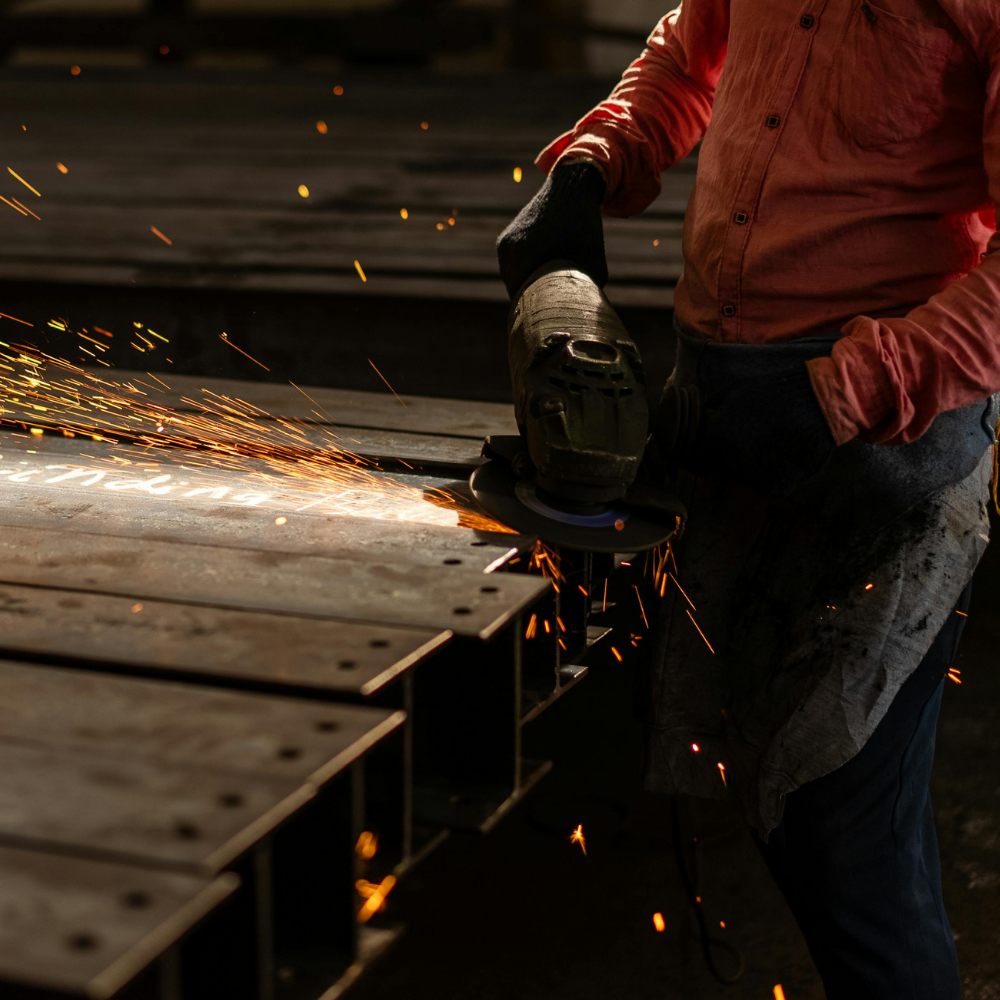
High Initial Investment
Steel materials and fabrication equipment can be expensive, especially for complex projects.
Skilled Labor Requirement
Steel fabrication requires experienced engineers, welders, and technicians to ensure high-quality work.
Material Waste
Cutting and shaping steel can produce scrap material, although many fabrication shops recycle metal waste to reduce costs.
How to Choose the Right Steel Fabrication Company
Selecting the right fabrication partner is crucial for project success.
Important factors to consider include:
Industry Experience
Choose a company with proven experience in industrial steel fabrication.
Advanced Equipment
Modern fabrication equipment ensures higher precision and efficiency.
Custom Fabrication Capability
The fabricator should be able to design and produce custom components based on project requirements.
Quality Control
Reliable companies follow strict quality standards and inspection procedures.
Strong Reputation
Client reviews, completed projects, and industry certifications can help determine reliability.
Conclusion
Industrial steel fabrication is a vital process that supports modern infrastructure, machinery manufacturing, and industrial development. By transforming raw steel into durable structures and components, fabrication companies help industries operate safely and efficiently.
Understanding the processes involved in industrial steel fabrication, from cutting and welding to machining and finishing, allows businesses to make informed decisions when planning projects.
With its unmatched strength, versatility, and long-term reliability, steel remains one of the most valuable materials in engineering and construction. As industries continue to grow, the demand for high-quality steel fabrication will only continue to increase.