
Structural Steel Fabrication Explained for Construction
Structural Steel Fabrication Explained For Construction
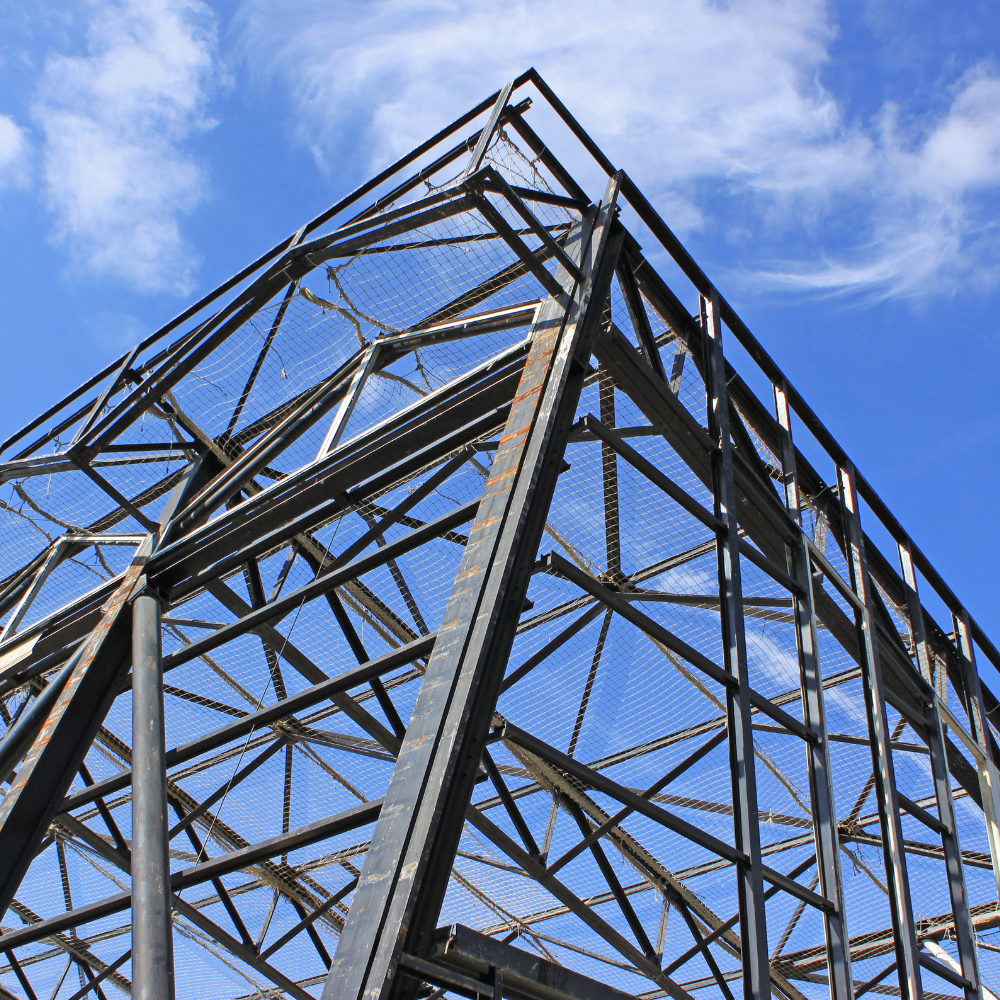
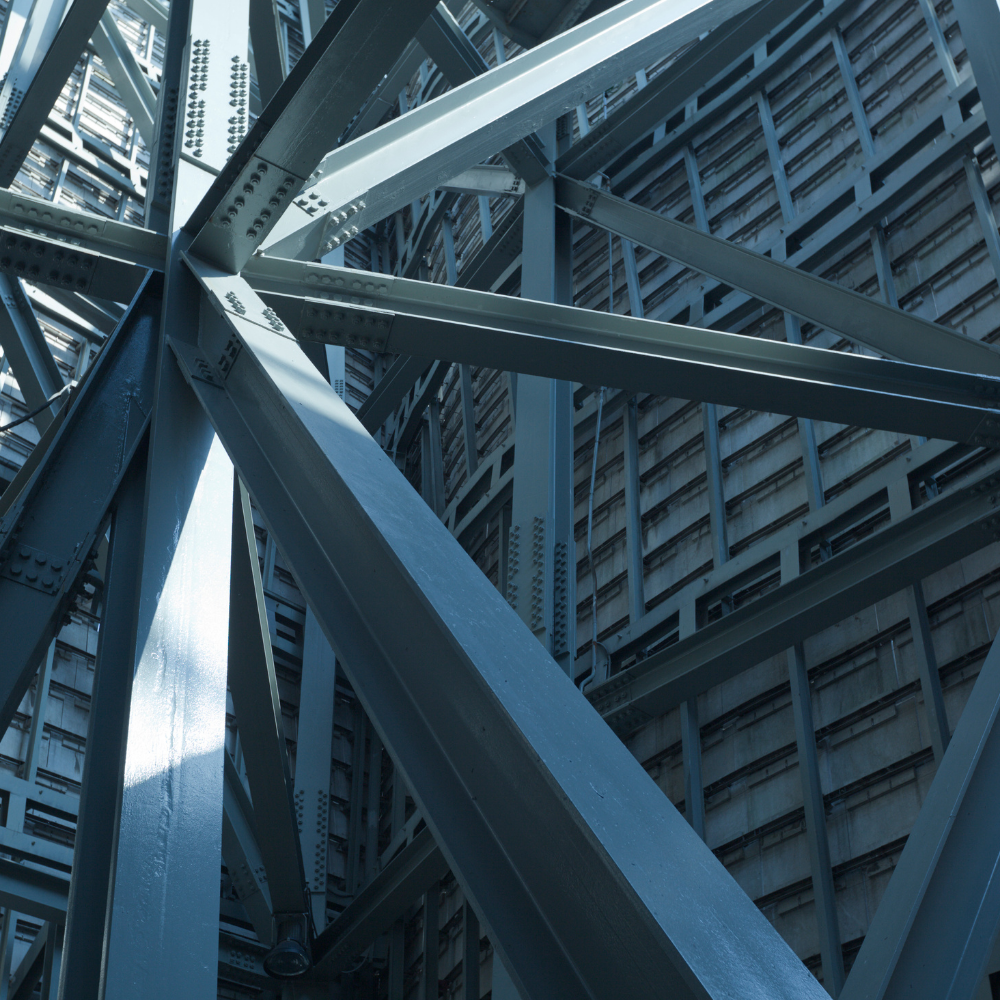
Structural steel fabrication is the backbone of modern construction. From skyscrapers and bridges to warehouses and factories, steel structures support the buildings we use every day. In simple terms, structural steel fabrication means transforming raw steel into strong components used to build safe and durable structures.
What is Structural Steel Fabrication?
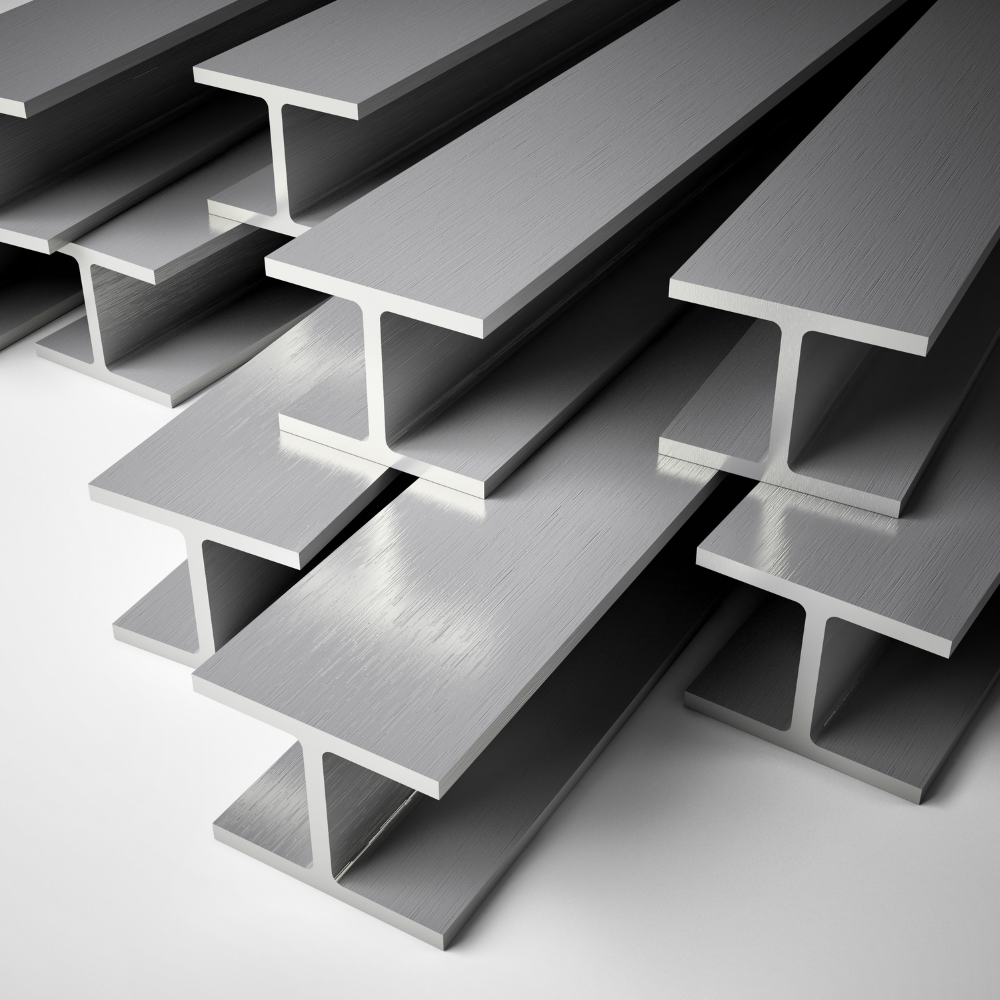
Structural steel fabrication is the process of cutting, shaping, welding, and assembling steel to create structural components used in construction projects.
Think of it like building with a giant metal puzzle. Engineers design the pieces, and fabricators shape steel into beams, columns, and frames that fit perfectly together.
Structural steel is used because it is:
- Strong
- Durable
- Flexible in design
- Cost-efficient for large projects
This process combines engineering design, metal fabrication, welding technology, and industrial manufacturing to produce reliable steel structures.
Why Structural Steel is Important in Construction
Steel is one of the most trusted construction materials in the world. It offers strength and reliability that traditional materials often cannot match.
For example, when you see a tall building standing strong against wind and weather, there is a good chance a structural steel framework is supporting it.
Some major advantages include:
High Strength
Steel can support heavy loads without bending or breaking. This makes it perfect for bridges, industrial buildings, and high-rise construction.
Durability
Steel structures can last for decades with minimal maintenance.
Design Flexibility
Engineers can design complex shapes and structures using steel.
Faster Construction
Steel components are fabricated in factories and assembled quickly on site.
The Structural Steel Fabrication Process
The fabrication process follows several technical steps. Each stage ensures that steel components are strong, accurate, and ready for construction.
1. Engineering Design and Planning
Every steel structure begins with detailed engineering design. Engineers create technical drawings and 3D models that clearly show how each steel component will fit together within the overall structure.
These plans also include important load calculations, measurements, and safety requirements to ensure the structure can handle environmental forces such as wind, weight, and seismic pressure.
Every steel structure begins with detailed engineering design. Engineers create technical drawings and 3D models that clearly show how each steel component will fit together within the overall structure. These designs provide a clear visual representation of the project and help fabrication teams understand the exact specifications required for manufacturing each steel part.
These plans also include important load calculations, measurements, and safety requirements to ensure the structure can handle environmental forces such as wind, heavy loads, temperature changes, and seismic pressure. Proper engineering design is essential because it ensures the building remains stable, safe, and durable for many years.
2. Steel Material Selection
The next step is selecting the correct type of steel.
Different construction projects require different steel grades. Engineers consider factors like strength, environmental conditions, and structural load before choosing materials.
Common materials include:
- Carbon steel
- Structural steel
- Stainless steel
Choosing the right material ensures long-term performance and safety.
3. Cutting and Shaping Steel
Once materials are selected, the steel is cut and shaped according to engineering designs.
Modern fabrication workshops use advanced machines such as:
- CNC cutting machines
- Plasma cutters
- Laser cutting tools
- Hydraulic presses
These machines allow fabricators to produce extremely accurate steel components.
This precision is critical because even a small mistake can affect how the entire structure fits together.
4. Welding and Assembly
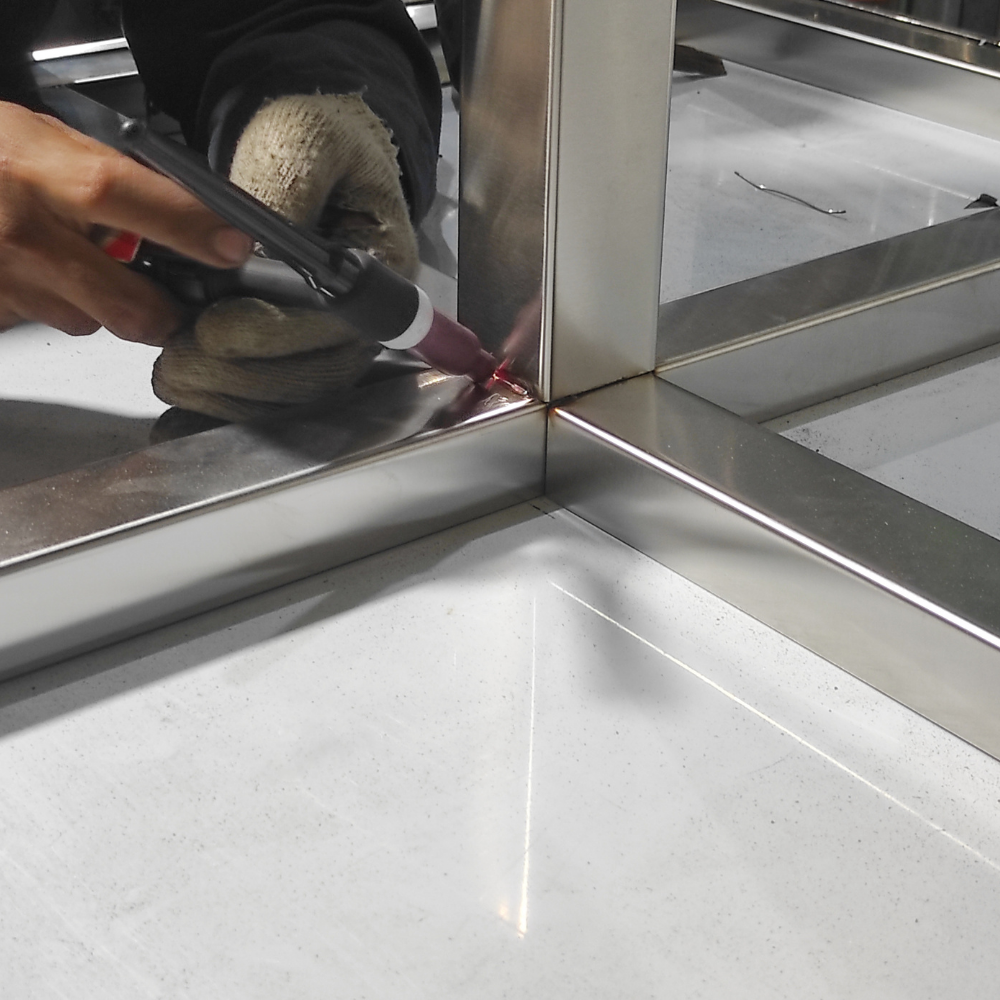
Welding is one of the most important stages in structural steel fabrication.
Professional welders join steel parts together using high-temperature welding techniques. These joints must be extremely strong because they hold the structure together.
A well-welded steel frame can handle heavy loads, vibrations, and environmental stress.
Many fabrication companies follow strict industrial welding standards and quality control procedures to ensure structural safety.
5. Surface Finishing and Protection
Steel structures must be protected from corrosion and environmental damage.
Fabricators apply protective coatings such as:
- Galvanizing
- Industrial paint coatings
- Powder coating
These treatments increase the lifespan of steel components and protect them from rust.
In harsh environments like coastal areas or industrial zones, surface protection becomes even more important.
Where Structural Steel Fabrication is Used
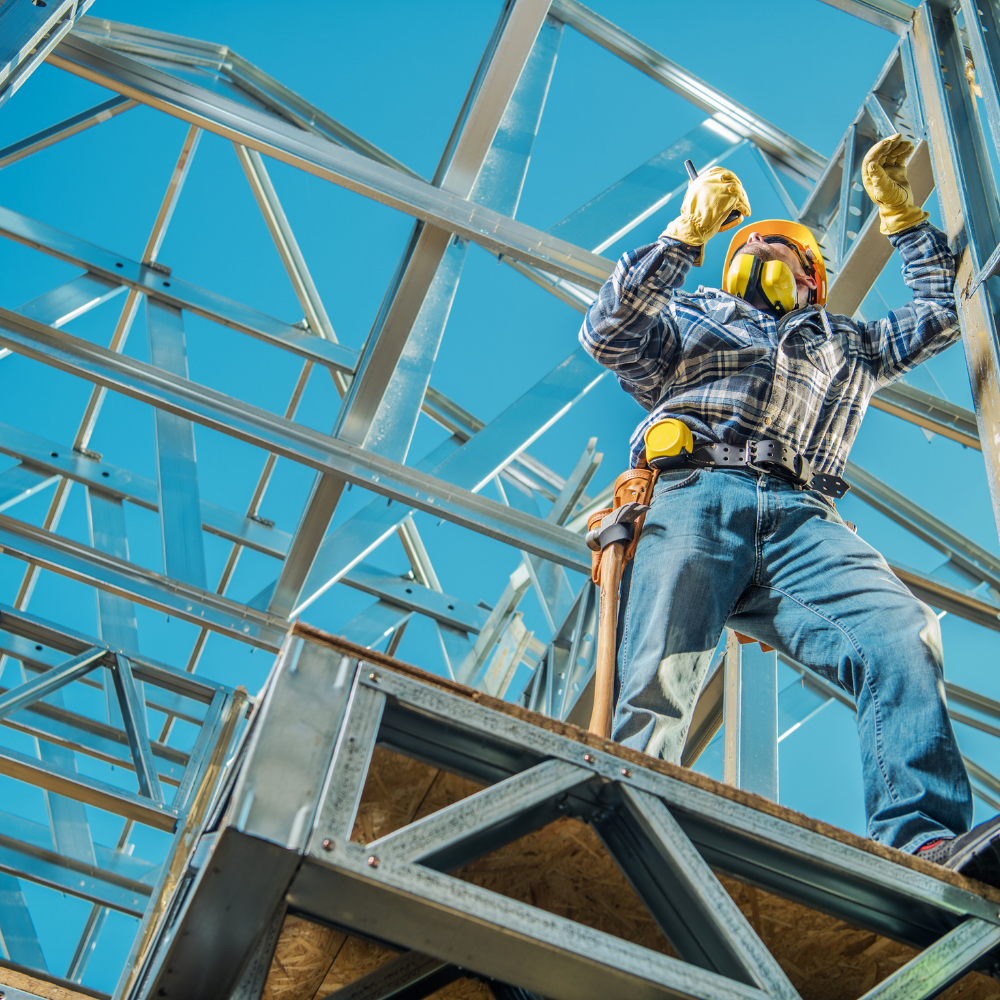
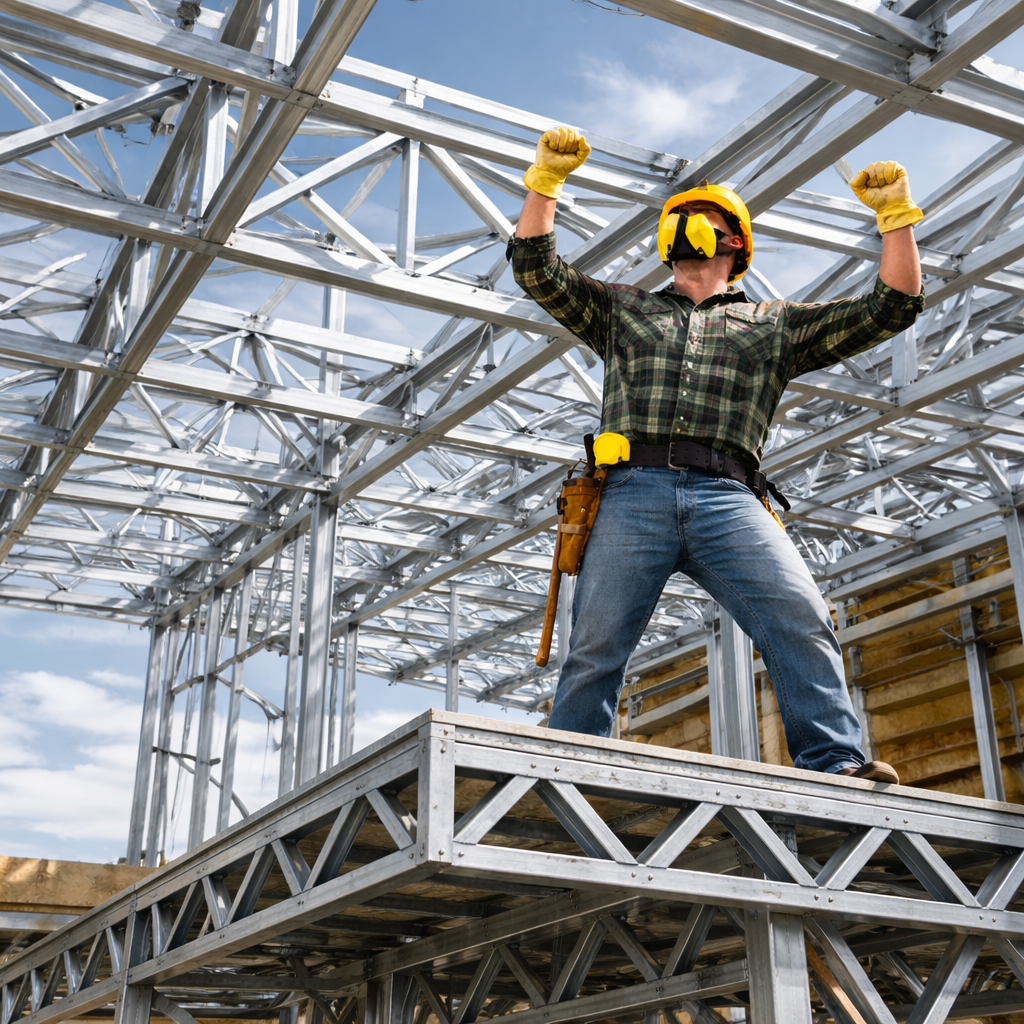
Structural steel fabrication supports many industries. It plays a major role in modern infrastructure and industrial development.
Some common applications include:
Commercial Buildings
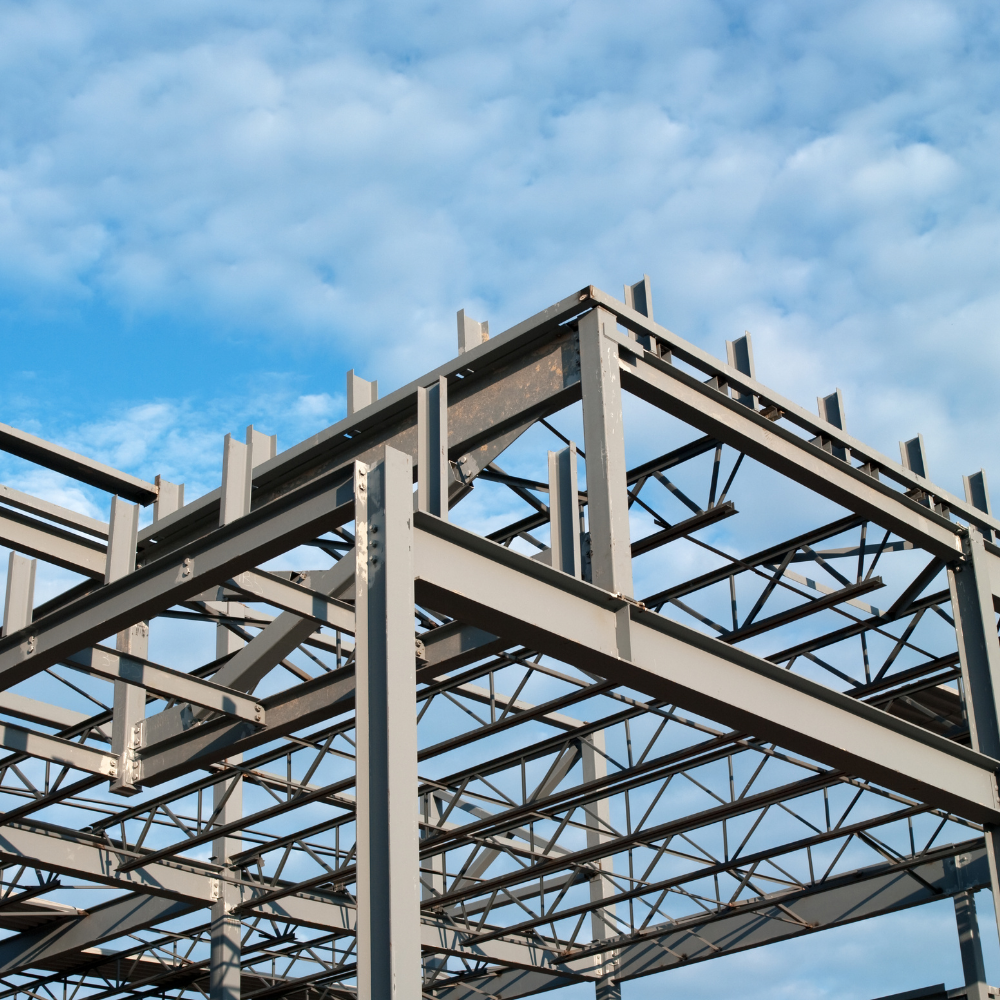
Office buildings, shopping malls, and commercial towers often rely on structural steel frames. Steel allows architects to design open spaces and taller structures.
Industrial Facilities
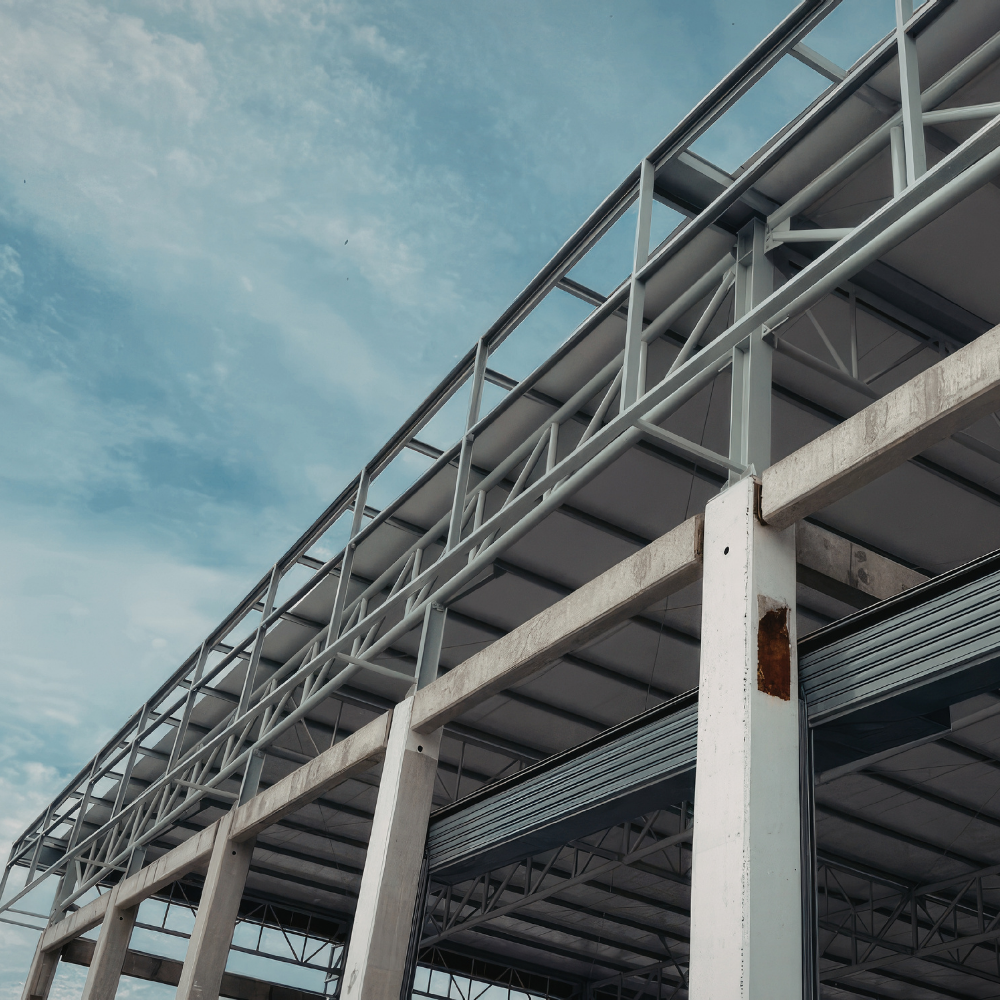
Factories and warehouses use steel frameworks because they are strong and easy to expand. Industrial buildings often require large open spaces without internal columns, and steel makes this possible.
Bridges and Infrastructure
Many bridges are built using structural steel. Steel provides the strength needed to support vehicles, trains, and heavy traffic loads.
Energy and Power Plants
Power plants and oil refineries require strong steel structures to support heavy equipment and pipelines. Structural steel fabrication ensures these facilities remain stable and safe.
Choosing the Right Steel Fabrication Company
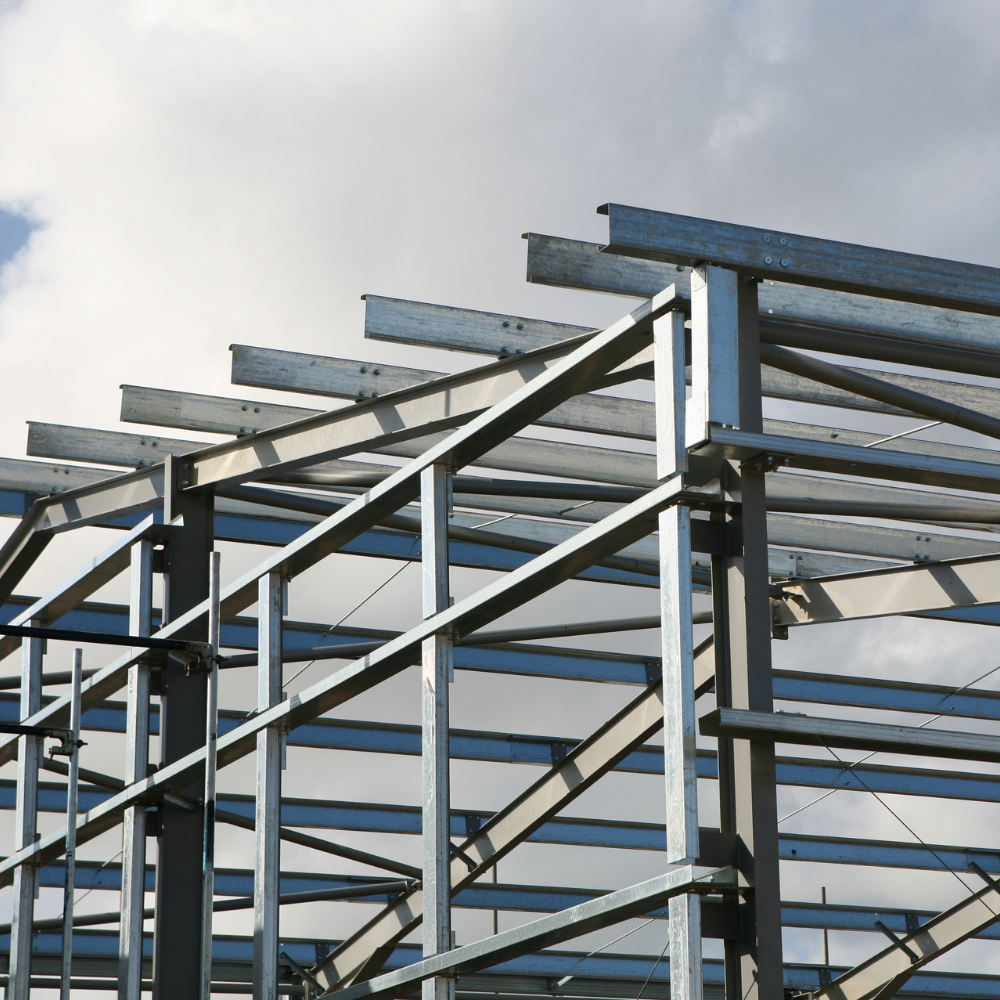
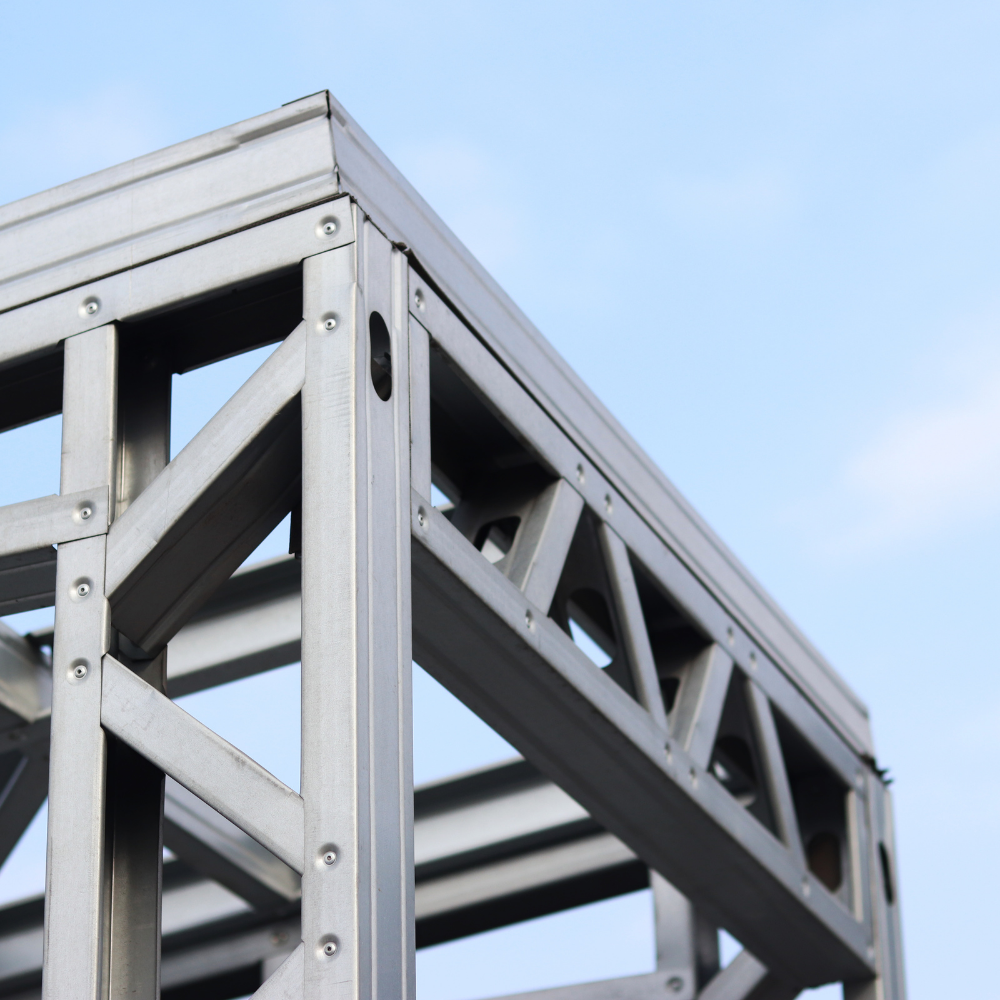
Not all fabrication companies deliver the same level of quality. Choosing the right partner can make a huge difference in the success of a project.
Here are some important factors to consider.
Experience
A company with years of fabrication experience understands engineering challenges and structural requirements.
Modern Equipment
Advanced machinery ensures accurate cutting, welding, and fabrication.
Engineering Expertise
Professional engineers help design efficient and safe steel structures.
Quality Control
Reliable fabrication companies follow strict quality standards and inspection procedures.
Companies like BG Engineering & Fabrication provide professional engineering and steel fabrication services to support construction and industrial projects.
Expert Tips for Successful Steel Fabrication Projects
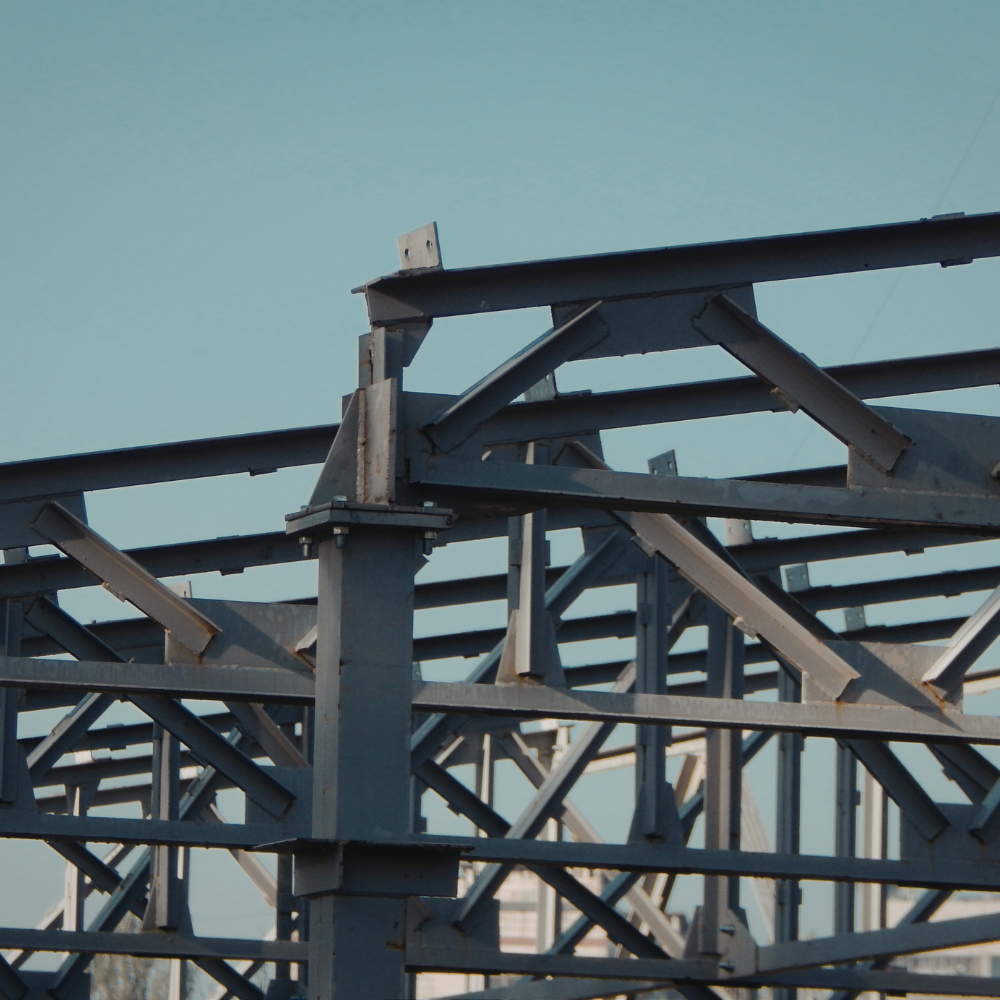
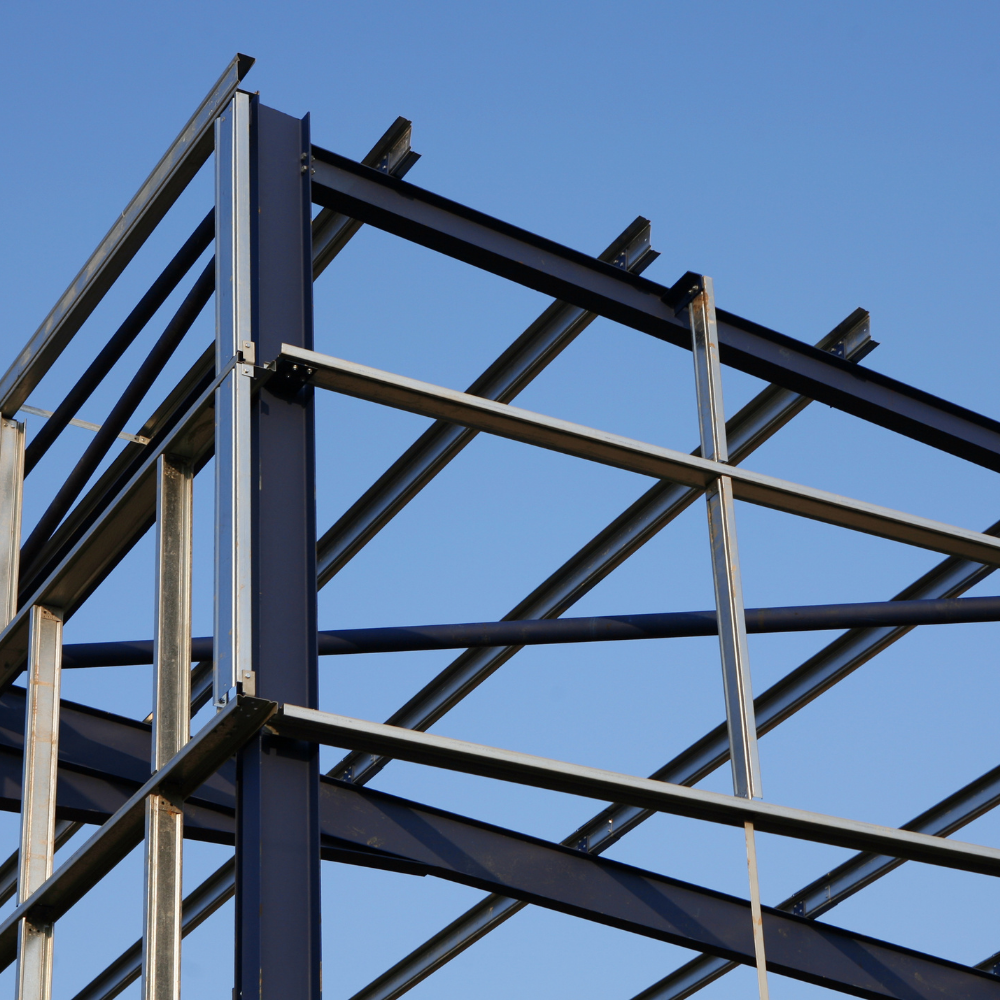
Here are a few practical tips that industry professionals recommend.
Plan the design carefully
Good engineering design prevents costly mistakes during fabrication.
Choose high-quality materials
Strong materials ensure long-lasting structures.
Work with experienced fabricators
Professional teams reduce project delays and structural risks.
Focus on safety and quality
Always follow engineering standards and construction regulations.
A strong steel structure begins with smart planning and expert fabrication.
The Future of Structural Steel Fabrication
Structural steel fabrication continues to evolve with new technology.
Automation, robotic welding, and digital engineering tools are improving fabrication accuracy and efficiency.
In the future, we can expect:
Smarter fabrication factories
Faster production processes
Stronger and lighter steel materials
More sustainable construction solutions
As cities grow and infrastructure expands, structural steel fabrication will remain a key part of modern construction.
Conclusion
Structural steel fabrication is a critical process that supports modern construction and engineering projects. By transforming raw steel into strong structural components, fabricators help build safe and durable structures used across industries. With the right engineering expertise, modern technology, and skilled fabrication teams, steel structures can deliver strength, flexibility, and long-term performance for projects of any size.
FAQs About Structural Steel Fabrication Explained
Structural steel fabrication is the process of cutting, shaping, and assembling steel components such as beams, columns, and frames used in building and infrastructure construction.
Structural steel fabrication is important because steel provides high strength, durability, and flexibility, making it ideal for large buildings, bridges, and industrial structures.
The main steps include engineering design, steel cutting, bending, welding, assembling, and final inspection before installation at the construction site.
Common materials include carbon steel, stainless steel, and alloy steel, which are selected based on project requirements, strength needs, and environmental conditions.
Structural steel fabrication offers several benefits such as faster construction, high load-bearing capacity, design flexibility, and long-term durability.