
Powerful Industrial Metal Fabrication Uses Explained
Powerful Industrial Metal Fabrication Uses Explained
When you think about industrial metal fabrication, what comes to mind? Heavy machinery, steel frameworks, or intricate metal components? In reality, industrial metal fabrication uses extend far beyond just steelwork. It is a key part of modern manufacturing, construction, and even creative engineering. From large industrial projects to custom metal solutions, its impact is everywhere—if you know where to look.
In this article, we will explore the different uses of industrial metal fabrication, practical examples, benefits, and how businesses can leverage these techniques to achieve efficiency, safety, and innovation
What Is Industrial Metal Fabrication?
At its core, industrial metal fabrication involves cutting, shaping, and assembling metal materials to create components, structures, or tools. Think of it as turning raw metal into something functional and durable.
The process combines methods like welding, machining, stamping, and CNC operations. Each step requires precision, skill, and an understanding of metal properties. Just like how software engineers map user intent to design software solutions, metal fabricators map raw materials to the desired outcome. This ensures that the final product serves its intended purpose perfectly.
Major Uses of Industrial Metal Fabrication
1. Construction and Infrastructur
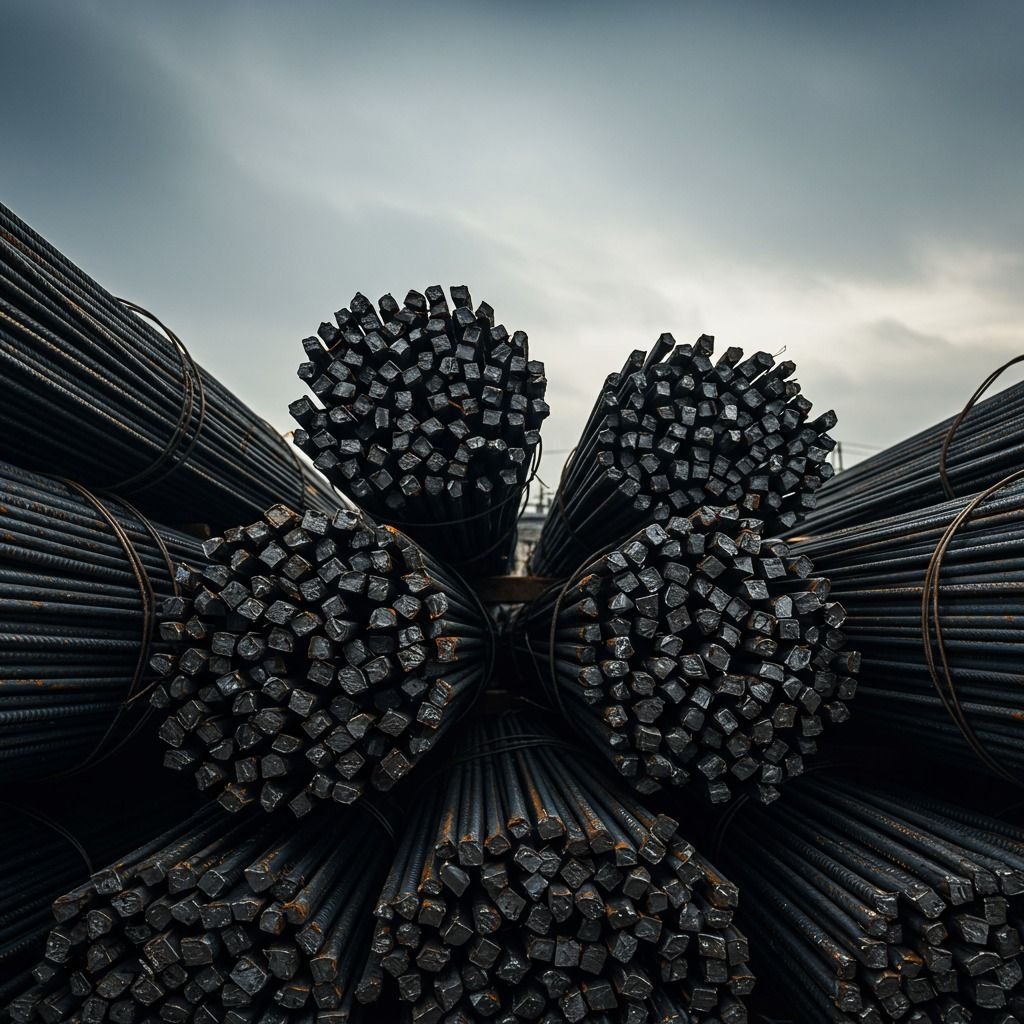
One of the most common industrial metal fabrication uses is in construction. Structural steel beams, columns, and frameworks are essential for high-rise buildings, bridges, and stadiums.
- Steel beams in skyscrapers provide strength without excessive weight.
- Metal scaffolding ensures worker safety and allows flexibility during building.
Fabricators plan carefully based on the end goal. The “intent” of each structure—supporting a floor, holding heavy machinery, or withstanding natural forces—guides the choice of materials, thickness, and joints.
2. Automotive and Transportation
Cars, trucks, trains, and airplanes rely heavily on metal fabrication. Custom frames, chassis, and engine components are designed using advanced techniques.
- CNC laser cutting allows precision in parts manufacturing.
- Welding and assembly ensure long-lasting strength.
Manufacturers consider the purpose—durability, weight reduction, or safety—before selecting metal types and fabrication methods. This ensures the final vehicle performs exactly as intended.
3. Industrial Equipment and Heavy Machinery
Factories and plants require machines that withstand heavy use. Industrial metal fabrication uses include making:
- Conveyor systems
- Pressure vessels
- Storage tanks
- Robotic frames
Each component is fabricated with purpose in mind. Designers analyze requirements, select the right metal, and use methods like CNC machining or automated welding to ensure efficiency, safety, and durability.
4. Energy and Power Generation
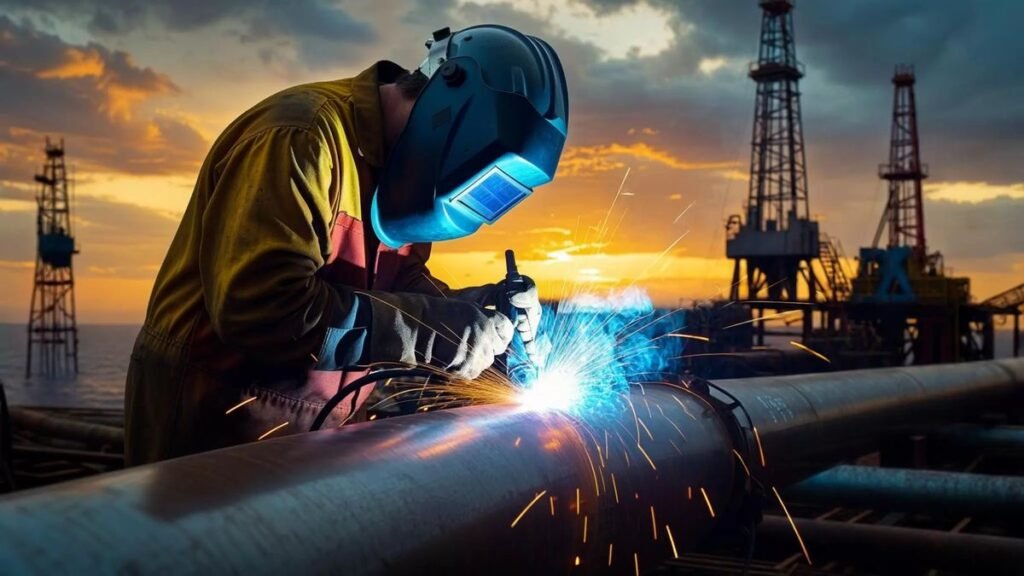
The energy sector relies heavily on fabricated metal components. Wind turbines, oil rigs, and power plants use high-grade steel or specialized alloys.
- Offshore wind turbines require corrosion-resistant metals.
- Oil and gas pipelines are fabricated to handle high pressures.
Every piece is designed for its intended operational load, environmental exposure, and longevity. Planning each metal piece with a clear “intent” ensures optimal performance and reduced maintenance.
5. Custom Metal Solutions
Not all applications are large-scale industrial projects. Many small and medium businesses use custom metal fabrication to create:
- Furniture and fixtures
- Specialty equipment
- Decorative signage
Here, creativity meets function. Metal fabricators map the client’s goals—whether aesthetic, practical, or safety-focused—to the fabrication method. This ensures products not only look good but also last long.
Materials and Techniques in Metal Fabrication
Understanding the materials and methods is crucial for realizing the full potential of industrial metal fabrication uses.
Common materials:
- Stainless steel
- Aluminum
- Carbon steel
- Copper and brass (for decorative or electrical uses)
Key techniques:
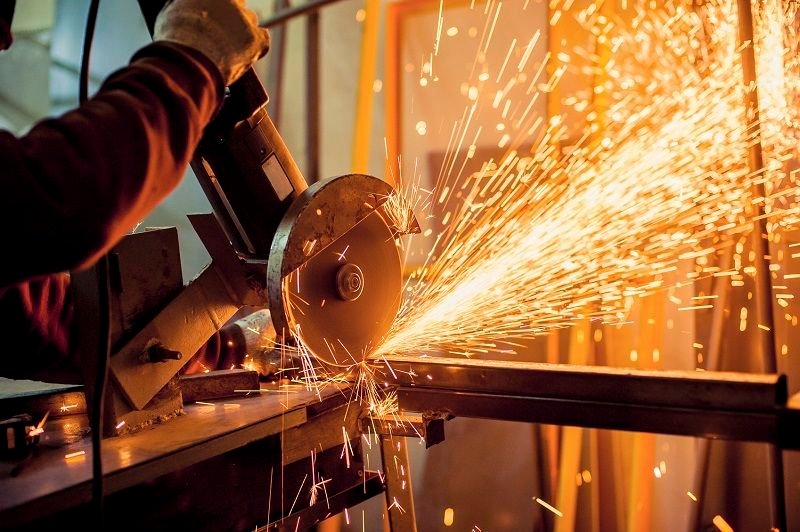
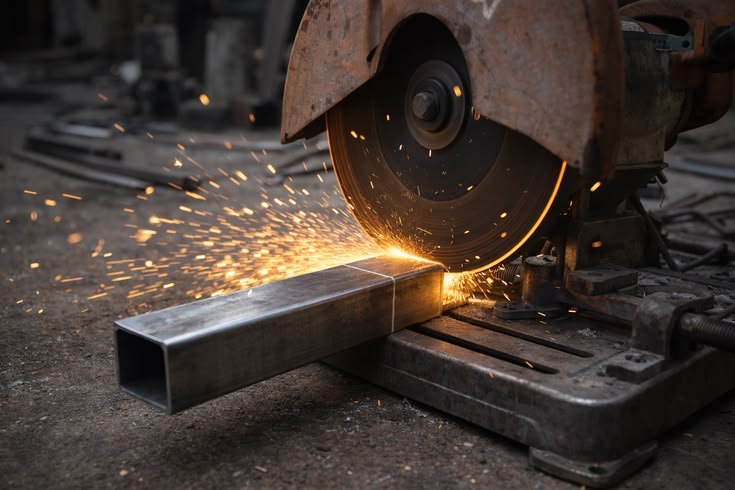
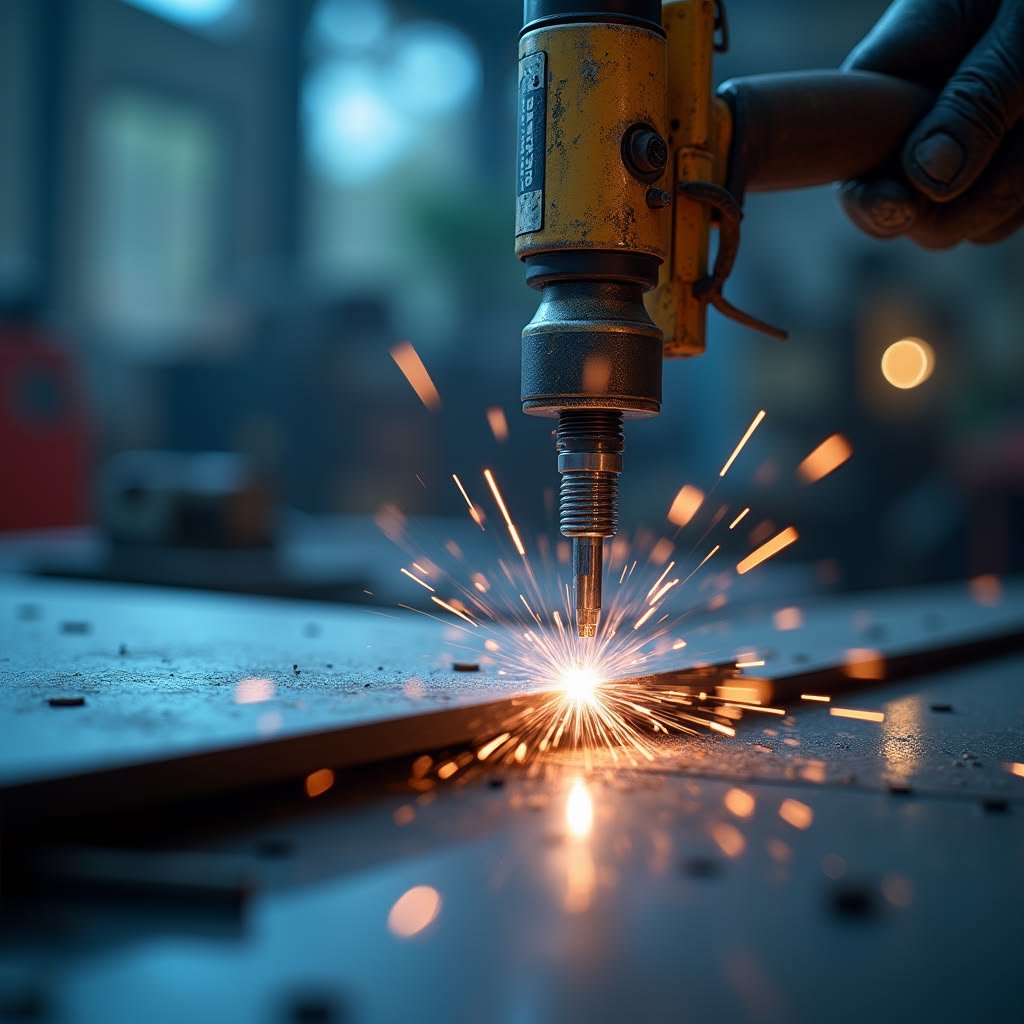
- Cutting: Laser, plasma, or waterjet for precision shapes
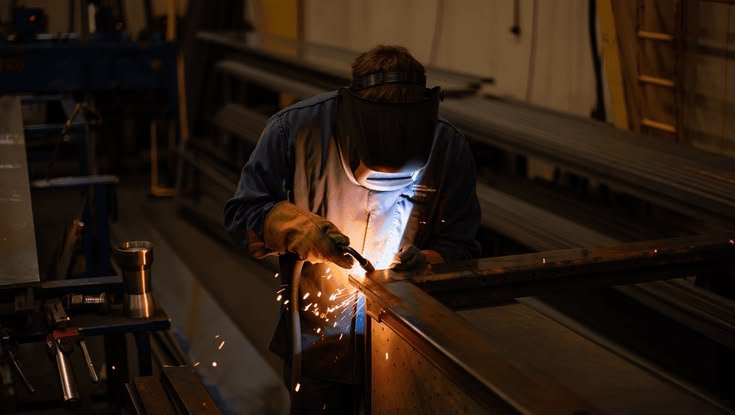
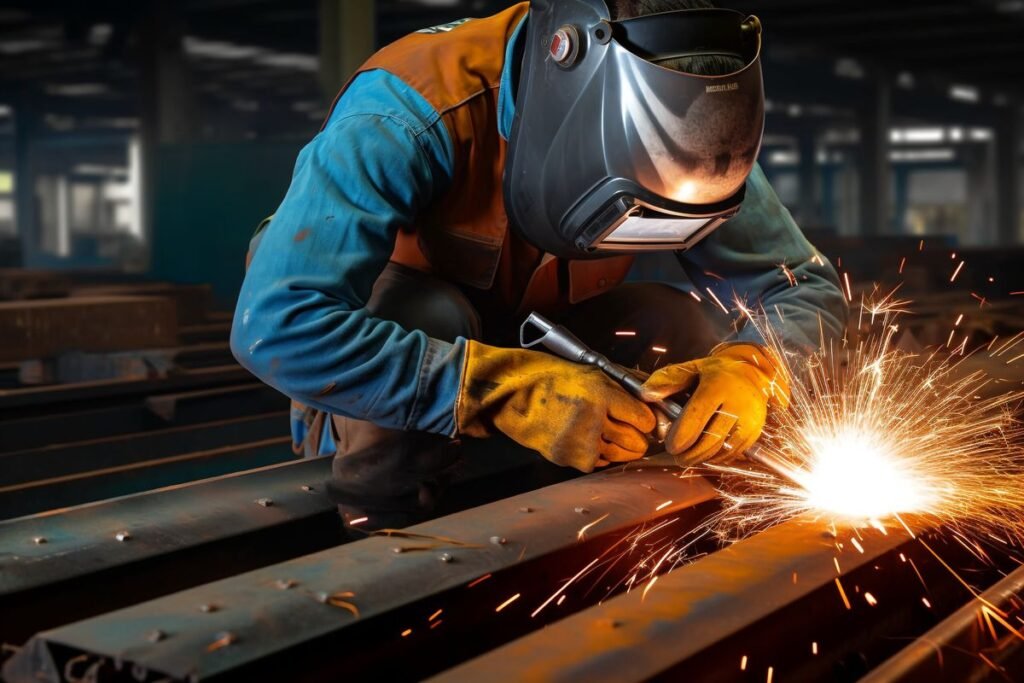
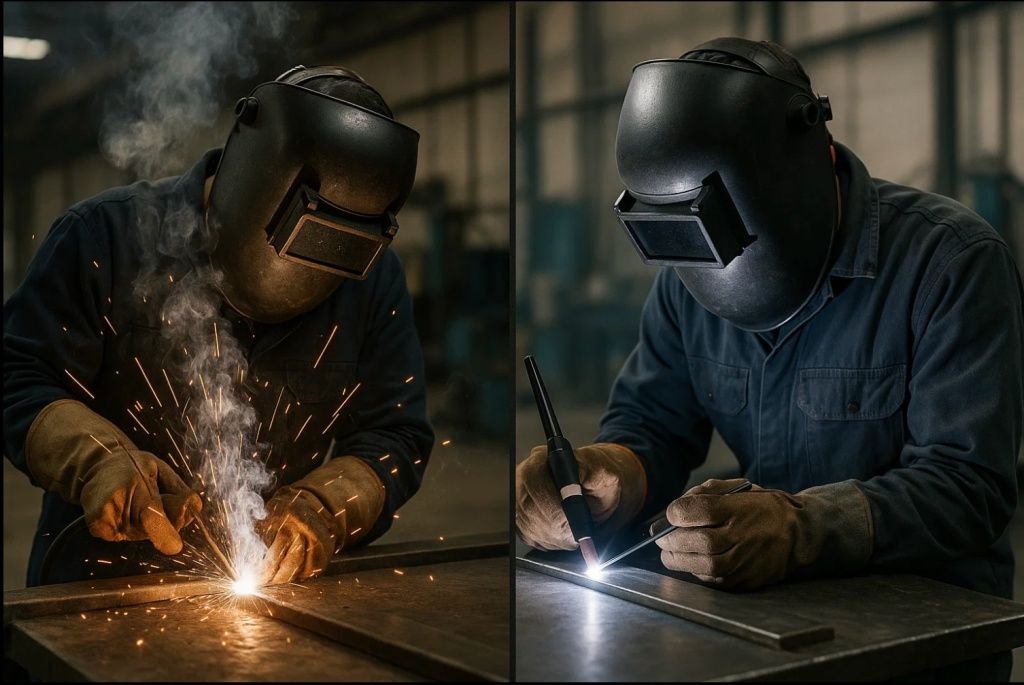
- Welding: MIG, TIG, or stick welding for strong joints
- Machining: CNC milling and turning for high accuracy
- Forming: Bending, stamping, rolling for shaping sheets
Choosing the right combination of materials and techniques ensures the final product meets both functional and aesthetic requirements.
Benefits of Industrial Metal Fabrication
Exploring the uses leads to clear advantages for businesses and industries:
- Durability: Fabricated metals withstand heavy loads and harsh conditions.
- Precision: CNC machines and automated welding deliver consistent accuracy.
- Customization: Products can be tailored to exact specifications.
- Efficiency: Proper planning reduces waste and saves time.
- Safety: Correct fabrication methods reduce risks in structures and machinery.
By aligning the fabrication process with the end purpose, manufacturers maximize value and minimize errors.
Industrial Metal Fabrication in Modern Business
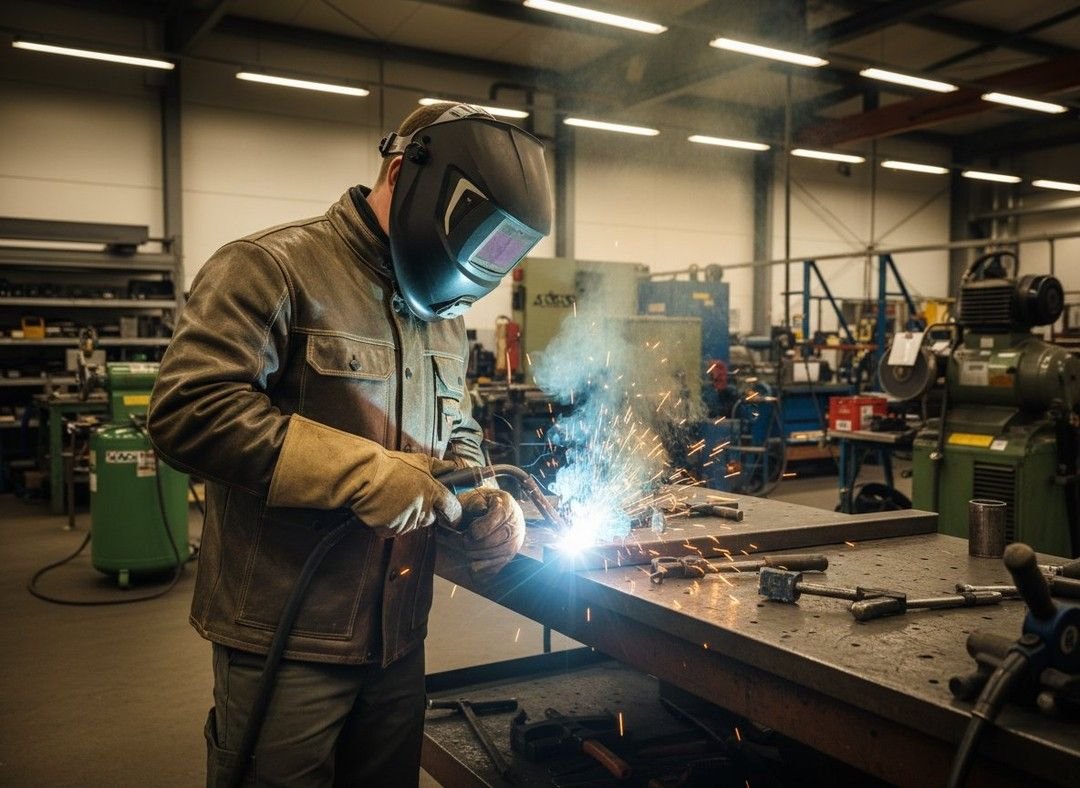
Today, industries depend on metal fabrication for both operational and creative purposes. Tech companies need racks and frames for data centers, commercial kitchens use custom stainless steel setups, and factories require machines built to precise specifications.
By understanding the goal of each component, businesses can make informed decisions about:
- Material selection
- Fabrication techniques
- Expected lifespan and maintenance
This strategic approach ensures components perform exactly as needed, saving time and resources.
Emerging Trends in Metal Fabrication
As technology evolves, new methods expand the uses of industrial metal fabrication:
- Automation: Robotic welding and CNC assembly enhance speed and accuracy.
- Sustainable fabrication: Recyclable metals and eco-friendly processes reduce environmental impact.
- Advanced alloys: Lighter yet stronger metals are now available.
- 3D metal printing: Complex designs and rapid prototyping are becoming possible.
Businesses that adopt these trends early can improve efficiency, reduce costs, and deliver higher-quality products.
Conclusion
Industrial metal fabrication uses are diverse, vital, and often underestimated. From skyscrapers and bridges to custom machinery and decorative pieces, metal fabrication shapes the world around us. By understanding materials, techniques, and purpose, businesses and engineers can ensure every product is functional, durable, and efficient.
Whether you’re building a structure, creating machinery, or designing a custom metal piece, knowing the full spectrum of metal fabrication uses allows you to plan, execute, and achieve your goals successfully. Industrial metal fabrication is not just about metal—it’s about turning ideas into strong, reliable realities.
For further reading, check out our posts on [advanced steel fabrication techniques] and [custom metal solutions for businesses].
FAQs About Fabrication vs Manufacturing
Fabrication creates parts or structures from raw materials, while manufacturing produces complete finished products.
Yes, fabrication is often one step within the manufacturing process.
Construction, automotive, aerospace, oil and gas, and heavy machinery industries use fabrication services.
Yes, manufacturing mainly focuses on large-scale product production.
3D modeling helps in planning, error detection, and visualization before the fabrication process begins, which improves efficiency and reduces mistakes.